
The Effectiveness of Dummy CCTV Cameras in Deterring Crime
When it comes to enhancing security, one of the options that often comes to mind is the installation of Closed-Circuit Television (CCTV) cameras. However, it is not always necessary or feasible to have fully functional cameras in every nook and cranny of your property. In such cases, many people turn to dummy CCTV cameras, which are non-functional replicas designed to mimic the appearance of real surveillance cameras. The question then arises: are dummy CCTV cameras effective in deterring crime?
While there is no definitive answer to this question, dummy CCTV cameras can indeed have a positive impact on security. The primary purpose of these dummy cameras is to create the perception of being under surveillance, serving as a deterrent to potential criminals. Research has shown that the presence of any form of surveillance, whether real or fake, can significantly decrease the likelihood of criminal activity.
One of the key advantages of dummy CCTV cameras is their cost-effectiveness. Real surveillance cameras can be expensive to purchase, install, and maintain, especially if you have a large property or multiple locations that need to be monitored. Dummy cameras, on the other hand, provide a more affordable option, as they are typically a fraction of the cost of their functional counterparts.
Another advantage of dummy CCTV cameras is their ease of installation. Since they do not require any wiring or connection to a recording system, they can be easily mounted in strategic locations. This means that even if you don’t have a comprehensive surveillance system in place, you can still create the illusion of heightened security by strategically placing dummy cameras in areas that are visible to potential intruders.
However, it is important to note that while dummy CCTV cameras can be an effective deterrent, they do have their limitations. Experienced criminals may be able to recognize the signs of a dummy camera, potentially rendering them ineffective. Additionally, if a crime does occur, dummy cameras will not provide any valuable footage for investigation or prosecution, as they do not capture or record video.
The Factors Impacting the Effectiveness of Dummy CCTV Cameras
Dummy CCTV cameras have gained popularity as a cost-effective and easy-to-install security measure. These non-functioning cameras are designed to mimic the appearance of real surveillance cameras, with the hope of deterring potential criminals. However, the effectiveness of dummy CCTV cameras can vary, depending on several factors.
Location: The location where dummy CCTV cameras are installed plays a vital role in their effectiveness. Cameras placed in highly visible areas, such as entrances or parking lots, are more likely to create a deterrence effect. Potential criminals are less likely to engage in illegal activities when they believe they are being watched. On the other hand, if dummy cameras are installed in less conspicuous or hard-to-see locations, such as behind foliage or in low-lit areas, their effectiveness diminishes significantly.
Realistic Appearance: The authenticity of dummy CCTV cameras is another critical factor. These cameras should closely resemble genuine surveillance cameras to create the illusion of a security system. Features such as blinking LED lights, realistic housing, and visible wiring can contribute to their perceived authenticity. If the dummy cameras appear obviously fake, experienced criminals may recognize them as ineffectual and ignore their presence.
Supplementing Dummy Cameras: Although dummy CCTV cameras can act as a deterrent on their own, their effectiveness can be enhanced when combined with other security measures. Incorporating real surveillance cameras alongside dummy cameras can provide an extra layer of protection. This combination can deceive criminals who may struggle to differentiate between real and fake cameras, increasing the perceived risk of detection and apprehension.
Maintenance and Upkeep: The maintenance of dummy CCTV cameras is crucial to their perceived effectiveness. Regular cleaning and checks are necessary to ensure that the cameras remain in optimal condition. Over time, exposure to the elements and accumulated dirt and debris can make dummy cameras appear less convincing. A well-maintained dummy camera is more likely to be mistaken for a functioning surveillance device, maximizing its deterrent effect.
Awareness within the Community: The effectiveness of dummy CCTV cameras can be influenced by the community’s perception and awareness of their presence. Informing residents, employees, or visitors that surveillance cameras are in place, even if some of them are dummies, can help create a sense of security. This awareness can deter potential criminals who fear being caught on camera, even if they are unsure which cameras are real or fake.
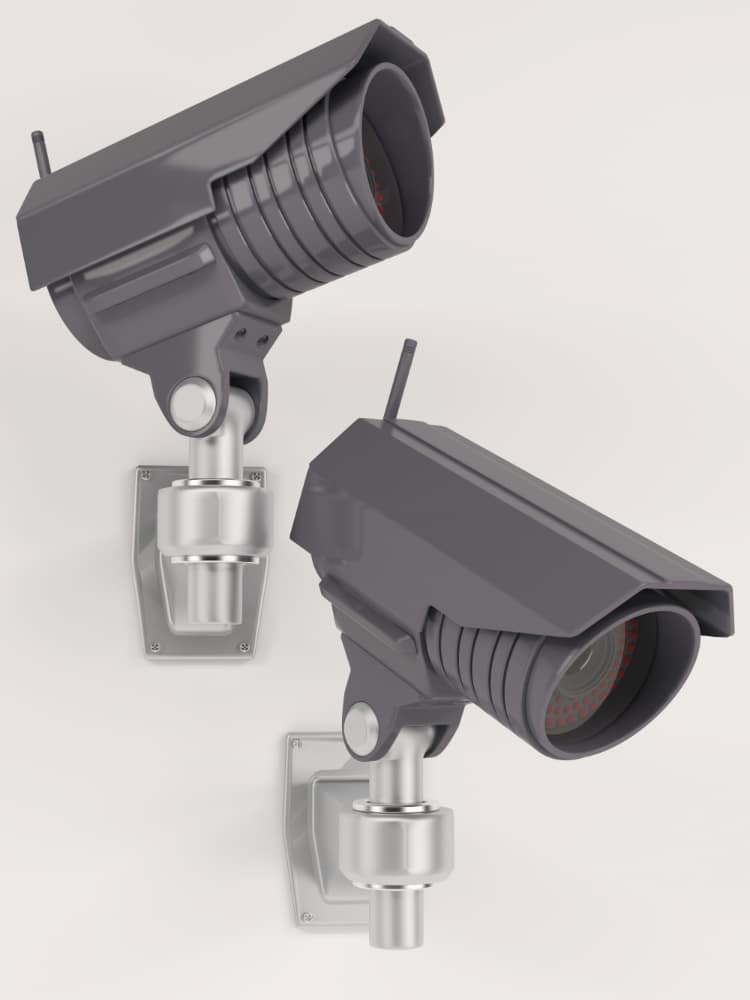
The Psychology Behind the Perception of Security with Dummy CCTV Cameras
When it comes to enhancing security, many individuals and businesses consider installing closed-circuit television (CCTV) systems. However, the cost and complexity of these systems have led some people to consider another option: dummy CCTV cameras. These cameras are non-functional replicas designed to resemble real surveillance cameras, with the aim of deterring potential criminals. But are dummy CCTV cameras effective? To answer this question, we must delve into the psychology behind the perception of security with these dummy devices.
One of the key factors that contribute to the perceived effectiveness of dummy CCTV cameras is the concept of deterrence. Research suggests that the presence of any form of surveillance, including dummy cameras, can create a psychological deterrent effect. Potential criminals are more likely to reconsider committing a crime if they believe they are being watched. Therefore, the mere sight of a dummy CCTV camera can instill a sense of unease and caution in individuals with criminal intent.
Another psychological aspect at play is the “halo effect.” This cognitive bias occurs when individuals perceive a certain attribute or characteristic favorably and assume that it extends to other qualities. In the case of dummy CCTV cameras, the presence of the cameras alone can lead people to believe that the entire area or property is well-secured, even without functional cameras. This perception can create a sense of security among residents, employees, or customers, potentially deterring criminals in the process.
However, it is essential to recognize that the effectiveness of dummy CCTV cameras largely relies on the context in which they are used. Criminals who are familiar with surveillance systems may be able to spot the differences between real and dummy cameras, rendering them ineffective. Additionally, if an area has a high crime rate or lacks other security measures, dummy cameras alone may not provide sufficient protection. Therefore, it is crucial to consider the specific environment and potential threats when deciding whether to rely on dummy CCTV cameras for security purposes.
While dummy CCTV cameras can be a cost-effective solution, it is important to note that they should not be used as a sole method of security. Instead, they can be used as part of a comprehensive security strategy that incorporates other preventive measures. These measures may include proper lighting, robust physical barriers, alarm systems, and perhaps even functional CCTV cameras in critical areas.
Alternatives to Dummy CCTV Cameras for Enhancing Security
When it comes to enhancing security, dummy CCTV cameras are often a popular choice due to their affordability and ease of installation. However, they may not always be the most effective solution. Fortunately, there are several alternatives available that can provide a higher level of security and peace of mind. These alternatives offer advanced features and technologies that can deter criminals and increase the chances of apprehending them. Below, we discuss some of the most effective alternatives to dummy CCTV cameras.
1. Real CCTV Cameras: While dummy cameras may resemble the real thing, there is no substitute for the actual functionality of a real CCTV camera system. Real cameras provide live video surveillance, recording capabilities, and remote access to the footage. They act as a deterrent and can provide valuable evidence in the event of a crime.
2. Network IP Cameras: Network IP cameras take security to the next level by offering high-definition video quality and advanced features. These cameras can be connected to an IP network, allowing for easy monitoring from any location via a computer or smartphone. They can also integrate with other security systems, such as alarms and access control.
3. Motion-Activated Lights: Motion-activated lights are a simple yet effective security measure. They illuminate the area when motion is detected, increasing visibility and deterring potential intruders. These lights can be installed in outdoor areas, driveways, and entrances, creating a well-lit environment that reduces the risk of criminal activity.
4. Video Doorbells: Video doorbells have gained popularity in recent years for their ability to enhance home security. These devices have a built-in camera that allows homeowners to see and communicate with visitors via a smartphone app. Video doorbells provide real-time monitoring of entrances and can record video footage, offering an added layer of security and convenience.
5. Smart Home Security Systems: Smart home security systems integrate various security devices, such as cameras, sensors, and alarms, into a centralized control panel. These systems can be remotely monitored and controlled, providing a comprehensive solution for home security. They can detect intrusion, fire, and other emergencies, alerting homeowners and authorities promptly.
It is important to note that while these alternatives can enhance security, they should be implemented based on specific needs and considerations. Factors such as property size, budget, and the level of security required should be taken into account when selecting the most suitable option. Consulting with a professional security provider can help assess the unique requirements and recommend a tailored solution.
Legal Considerations When Using Dummy CCTV Cameras
Dummy CCTV cameras are a popular choice for enhancing security in both residential and commercial settings. However, it is important to be aware of the legal considerations associated with the use of these cameras. While they can be effective deterrents, improper use or installation of dummy cameras can lead to legal issues and potential liabilities. In this article, we will explore some of the legal considerations that should be taken into account when incorporating dummy CCTV cameras into your security system.
First and foremost, it is crucial to understand that the use of dummy CCTV cameras must be in compliance with local, state, and federal laws. This means that you should familiarize yourself with the specific regulations and guidelines applicable in your jurisdiction. For example, some areas may require signage notifying individuals that surveillance is in operation, even if the cameras are not functional. Failing to adhere to these laws can result in legal consequences and may even render any evidence collected inadmissible in court.
Another important consideration is privacy concerns. While real CCTV cameras are subject to various privacy laws, the same principles may also apply to dummy cameras. Installing cameras in private areas like bathrooms or changing rooms can lead to invasion of privacy claims. It is crucial to ensure that the placement of dummy cameras does not violate the reasonable expectations of privacy for individuals on the premises.
In addition to privacy concerns, it is important to consider the potential for false sense of security. Dummy CCTV cameras are intended to deter potential criminals, but they do not provide actual surveillance or recording capabilities. If an incident occurs and it is discovered that the cameras were not functional, it may give rise to negligence claims or claims of inadequate security measures. To mitigate this risk, it is recommended to clearly label dummy cameras as such to avoid any false representations of security measures.
Lastly, liability issues may arise if dummy CCTV cameras give individuals a false sense of security and they become victims of criminal activities. If it can be proven that the installation of dummy cameras created a duty of care towards individuals on the premises, failure to fulfill this duty may result in negligence claims. Therefore, it is crucial to balance the use of dummy cameras with other security measures to ensure comprehensive protection.
Conclusion
In conclusion, dummy CCTV cameras can be an effective deterrent for certain types of crime. The mere presence of a security camera, even if it is a dummy, can create a sense of surveillance and instill fear in potential wrongdoers. However, the effectiveness of dummy CCTV cameras can be influenced by several factors.
One important factor is the quality and realism of the dummy camera. If the dummy camera looks too obvious or low-quality, it may fail to deceive potential criminals. It is crucial to choose dummy cameras that closely resemble real surveillance cameras, complete with flashing lights, cables, and other realistic details.
Another factor that can affect the effectiveness of dummy CCTV cameras is their strategic placement. For maximum impact, dummy cameras should be installed in highly visible areas, such as entrances, parking lots, and common areas. This creates the perception that the entire premises are under surveillance, making potential criminals think twice before engaging in unlawful activities.
The psychology behind the perception of security with dummy CCTV cameras is significant. The presence of these cameras can create a sense of being watched, which can deter criminal behavior. Studies have shown that the perception of surveillance alone can significantly reduce theft and vandalism rates in both public and private spaces.
However, relying solely on dummy CCTV cameras for security may not be sufficient. It is essential to complement the dummy cameras with other security measures. For instance, installing real surveillance cameras in strategic areas can provide actual footage to aid law enforcement in investigations. Additionally, implementing access control systems, alarms, and security guards can help enhance overall security levels.
It is crucial to consider the legal implications of using dummy CCTV cameras. While these cameras can be effective in deterring crime, it is essential to comply with local laws and regulations. In some jurisdictions, using dummy CCTV cameras may be perfectly legal, as long as they are not misrepresented as real cameras. However, in other areas, the use of dummy cameras may be subject to specific restrictions and regulations.
In conclusion, while dummy CCTV cameras can be effective in deterring crime, their effectiveness can be influenced by factors such as camera quality, placement, and the psychology behind the perception of security. It is important to view dummy cameras as one part of a comprehensive security strategy and consider other measures, such as real surveillance cameras and access control systems. Additionally, it is essential to be aware of the legal considerations surrounding the use of dummy CCTV cameras and ensure compliance with local laws and regulations.