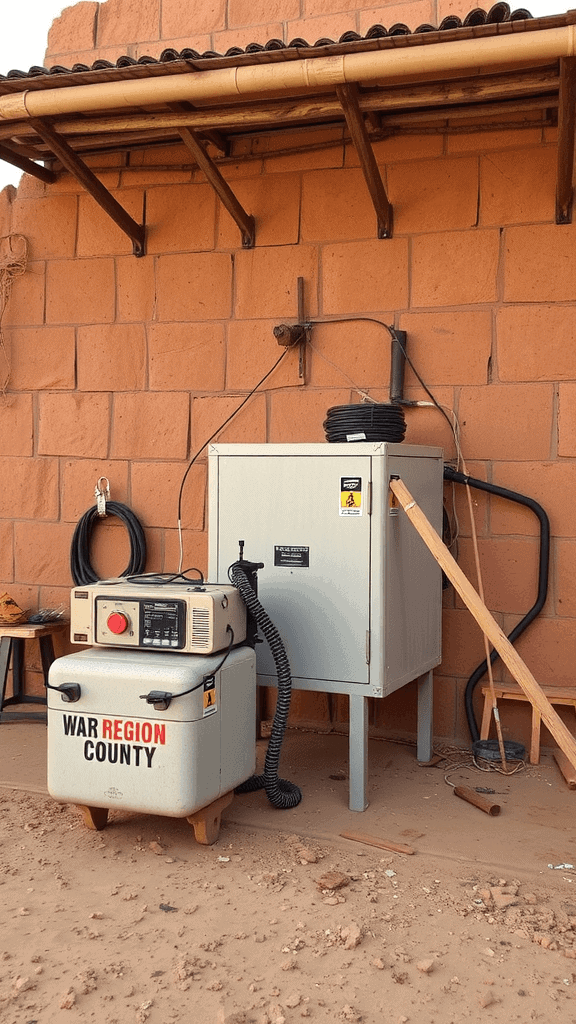
Innovative Security Equipment Solutions for Wajir County’s Arid Environment
Wajir County, located in the arid region of northern Kenya, faces unique challenges in ensuring the safety and security of its residents. The harsh environmental conditions, including extreme temperatures and limited water resources, necessitate innovative security equipment solutions that can withstand these obstacles. When considering security for this area, you need equipment that is reliable, durable, and tailored to the specific needs of the region.
One of the key factors in developing security solutions for Wajir County is understanding the environmental challenges. Security equipment must be resistant to the harsh elements, such as sand, dust, and extreme temperatures. Here are some essential considerations when looking for security equipment in arid areas:
- Durability: Equipment must be able to endure harsh weather conditions without losing functionality.
- Energy Efficiency: Devices that consume less power are crucial due to unreliable electricity supply.
- Water Resistance: Given the occasional heavy rains, equipment should be resistant to water damage.
- Simplicity of Use: Training locals to use security devices should be easy, even for those with minimal technical knowledge.
One of the most promising innovations in security equipment for Wajir County is solar-powered surveillance systems. These systems not only combat the frequent power outages but also provide an eco-friendly option. Utilizing solar energy enables the installation of cameras and sensors in remote locations without the need for extensive wiring or access to the local power grid.
Another significant advancement is the deployment of drone technology. Drones equipped with high-definition cameras allow for surveillance over large areas. This is particularly useful in Wajir’s expansive terrain, making it easier to monitor for security threats or illegal activities. Drones can quickly assess situations, provide immediate feedback, and assist communities in responding to emergencies effectively.
Integrated communication systems are also vital in enhancing security in Wajir County. Installations that combine radio communications, mobile app alerts, and community alert systems create a robust framework. This way, residents can stay informed about local security issues and mobilize quickly. Here’s how effective communication systems can benefit the community:
- Faster Response Times: Quick connection to law enforcement can prevent crises.
- Community Engagement: Citizens can share concerns and updates, promoting collective safety.
- Information Dissemination: Alerts on potential threats can be sent directly to community members.
Additionally, the growing importance of smart technology cannot be overlooked. Smart locks and access control systems can enhance security for local businesses and homes. These devices allow residents to monitor who enters their properties remotely. With mobile applications, individuals can grant access even when they are not physically present, providing both convenience and security.
Physical barriers, such as fences with intruder detection sensors, are also effective in protecting properties from intrusions. These systems can send alerts to residents when breaches occur, allowing for a prompt response. Combining these barriers with other security technologies can create a comprehensive defense strategy tailored for the region’s specific needs.
Collaborative efforts among community members, local governing bodies, and security companies are essential for successful implementation. Education on the proper use of these security devices plays a crucial role in maximizing their effectiveness. Workshops can help ensure that residents know how to operate the equipment and understand the importance of maintaining a secure environment.
Moreover, long-term sustainability should always be at the forefront of any security strategy in Wajir County. Finding solutions that not only protect the citizens but also respect the local environment is key. Constant evaluation of equipment performance and community feedback will enhance the overall security landscape, ensuring that innovations remain relevant and effective.
Wajir County can benefit significantly from innovative security equipment solutions designed for its arid environment. By focusing on durability, energy efficiency, and smart technology, residents can build a safer community that meets their unique challenges. The integration of modern systems with traditional practices fosters a culture of safety while empowering individuals to take an active role in protecting themselves and their neighbors.
Strategies for Enhancing Safety and Community Resilience in Arid Regions
Enhancing safety and community resilience in arid regions requires a multifaceted approach that addresses both environmental challenges and social dynamics. These areas often face unique obstacles, such as limited water resources, extreme temperatures, and occasional natural disasters like drought and floods. By implementing effective strategies, communities can better thrive amidst these demands.
One effective strategy involves the development of robust infrastructure. Investing in roads, bridges, and communication systems can significantly improve access to essential services, especially in emergencies. When roads are well-maintained, communities can quickly receive medical attention, food, and supplies during crises. Additionally, reliable communication networks allow for timely alerts and warnings, keeping residents informed and safe.
Water conservation practices are essential in arid settings. Communities should adopt advanced irrigation techniques, such as drip irrigation and rainwater harvesting. These methods not only optimize water usage but also promote agricultural sustainability. Planting drought-resistant crops can also enhance food security. When residents understand how to manage water resources efficiently, it reduces competition for this vital necessity.
Collaboration with local organizations is crucial for fostering a resilient community. Partnering with non-profits and government agencies can bring in expertise and resources needed to address specific challenges. These partnerships can facilitate workshops and training sessions that educate community members on safety protocols, resource management, and emergency preparedness. When everyone in the community is informed and engaged, it creates a stronger safety net.
Community engagement plays a pivotal role in enhancing safety. Regular town hall meetings can serve as platforms for discussing safety issues, sharing ideas, and cultivating a sense of community. These gatherings encourage residents to express their concerns and suggest solutions. Moreover, they help build trust among community members and local leaders, nurturing a proactive approach to safety.
- Create local emergency response teams: Training volunteers to assist during emergencies strengthens community ties and speeds up response times.
- Implement educational programs: Knowledge is power. Teach residents about natural disaster preparedness, first aid, and resource management.
- Establish a safety communication plan: Develop clear protocols for sharing information during emergencies. Use social media, local radio, or community messengers.
Another key aspect is the promotion of sustainable energy practices. By investing in solar and wind power, communities can reduce their reliance on limited resources while enhancing their energy independence. Such practices not only provide energy security but also create job opportunities and reduce environmental degradation.
Governments and organizations should explore funding options to support safety initiatives. Grants and loans can help implement new technologies, improve infrastructure, and fund community training programs. When communities have the necessary financial backing, they can make substantial advancements towards resilience and safety.
One of the unsung heroes of community safety is the establishment of volunteer programs. Encouraging residents to participate in safety drills, clean-up days, and educational outreach ramps up community involvement. When people come together with a shared purpose, it fosters a sense of belonging and shared responsibility. Engaging local youth in programs can also instill values of service and leadership, ensuring a brighter future for the community.
It’s essential to leverage technology in enhancing safety. Utilizing mobile apps for information sharing and emergency alerts can improve communication. Local weather stations utilizing IoT (Internet of Things) sensors can provide real-time data, helping residents make informed decisions. Embracing technology is not just about keeping up with trends; it’s about fostering a safer living environment.
Addressing mental health and community well-being is vital in arid regions. Sustained stress from environmental challenges can take a toll on the mental health of residents. Providing resources for mental wellness, such as counseling services and community support groups, can help individuals cope with the unique pressures they face. A mentally healthy community is more resilient, able to support each other during tough times.
In summation, creating a safer and more resilient community in arid regions is achievable through a combination of infrastructure investment, education, technology, and community engagement. With a unified approach, these communities can turn challenges into opportunities, ensuring a secure and sustainable future for all their residents.
Conclusion
Wajir County stands at the forefront of addressing safety challenges unique to its arid landscape. The innovative security equipment solutions tailored for this environment not only enhance safety but also foster a sense of community resilience. From advanced surveillance systems built to withstand harsh weather conditions to mobile patrol units designed for rugged terrains, the region is increasingly equipped to handle security concerns effectively.
Enhancing safety in arid areas involves a combination of technology, local knowledge, and community engagement. As local leaders invest in training and resources, residents become part of the solution, fostering a culture of vigilance and cooperation. This approach ensures that individuals are not just passive recipients but active participants in creating a secure environment. Technologies like drone surveillance and integrated communication systems are proving essential in bridging gaps in remote areas, thus enhancing response times and overall security efficacy.
Moreover, as Wajir County continues to adapt and innovate, the lessons learned can serve as a model for other arid regions facing similar challenges. Collaboration between local authorities, community organizations, and technological experts is integral to implementing a system that promotes safety and resilience. By focusing on tailored equipment and involving the community, Wajir County can lead the way in creating a more secure future. Ultimately, a safer environment allows individuals to thrive, fostering growth and development in this unique region. Investing in security now will pay dividends in creating a safer, more resilient Wajir County for generations to come.