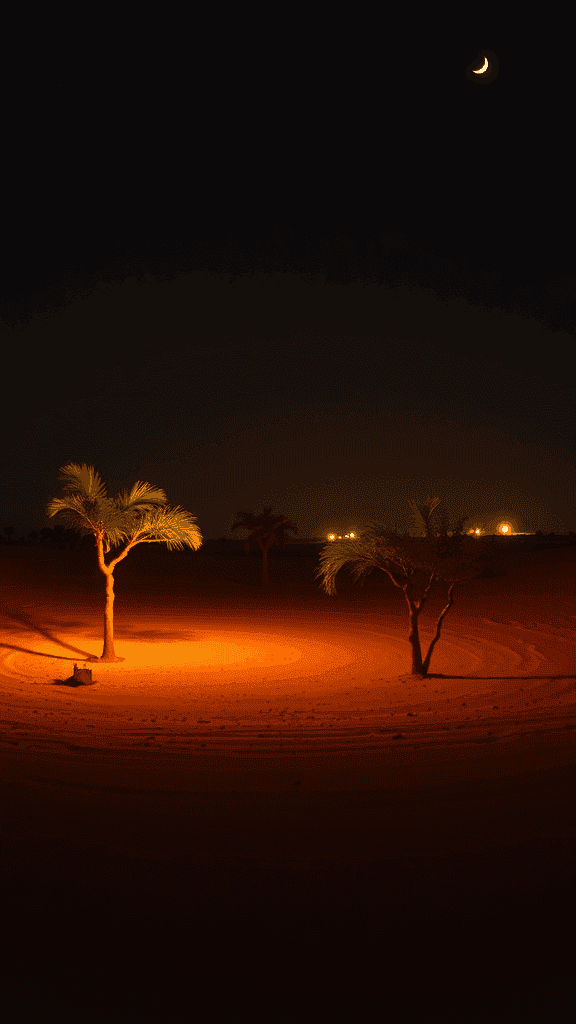
Turkana County Solar Lighting: Innovative Solutions for Energy Access in Desert Climates
In the heart of northern Kenya lies Turkana County, a region characterized by its rugged landscapes and extreme desert climate. This environment poses significant challenges for daily living, particularly when it comes to energy access. Many communities rely on traditional methods for lighting, which often have proven unsustainable and inefficient. Fortunately, solar lighting solutions are emerging as innovative answers to the energy needs of the people living here.
Solar lighting systems take advantage of the abundant sunlight that Turkana County receives throughout the year. With clear skies and high solar radiation, solar energy presents an ideal alternative to conventional fossil fuels and kerosene lamps. The shift toward solar lighting is not just an environmental choice, but a matter of necessity for improving the quality of life in Turkana. Here are some of the key benefits of implementing solar lighting in this arid region:
- Accessibility: Solar lighting systems provide immediate access to electricity, allowing remote communities to illuminate their homes and public spaces. This not only enhances safety but also extends productive hours for students and local businesses.
- Cost-Effectiveness: While the initial setup cost may seem high, solar lighting systems reduce long-term expenses related to energy. Households no longer need to purchase kerosene or diesel, which can be prohibitively expensive and inconsistent.
- Environmental Impact: By using solar energy, communities can reduce their carbon footprint. Solar lighting does not produce harmful emissions, making it a cleaner and more sustainable option.
- Improved Educational Outcomes: With reliable lighting, children can study in the evenings, improving their academic performance and overall educational success.
- Job Creation: As demand for solar lighting grows, so does the potential for new jobs in installation, maintenance, and distribution, further enhancing the local economy.
One successful example of solar lighting initiatives in Turkana is the implementation of solar-powered lanterns. These portable devices allow residents to carry light wherever they go, effectively making every corner of their homes accessible after sunset. They are particularly beneficial for women and children, who often face safety risks during night hours.
Furthermore, community-led solar projects have demonstrated the power of collaboration in embracing renewable energy. Local groups often participate in workshops, learning about the technology and maintenance of solar systems. This not only equips them with necessary skills but creates a sense of ownership over their energy solutions.
The government and various NGOs have been vital supporters of these initiatives, assisting with funding for solar energy projects in Turkana County. They understand that energy is closely linked to poverty alleviation and economic development, which is why investing in solar technology is a priority. Empowering the people of Turkana County with reliable energy resources encourages self-sufficiency and resilience in the face of climate challenges.
Technology advances are also paving the way for smarter solar solutions. Innovations such as solar microgrids can help communities manage energy resources efficiently. These systems store energy during the day and distribute it as needed, ensuring a consistent supply. This approach not only maximizes the use of available solar power but also helps stabilize the energy system as a whole.
As the world continues to grapple with the effects of climate change, Turkana County stands as a testament to the potential of solar energy in desert climates. Solar lighting not only addresses immediate lighting needs but sets a foundation for sustainable development. By harnessing the sun’s power, communities here can break free from the cycle of energy poverty and embrace a brighter future.
Turkana County’s journey towards solar lighting epitomizes the essence of innovation as a solution to energy access in desert climates. Each solar installation contributes not just to energy solutions but to a more connected and empowered community. By investing in solar energy, Turkana County not only illuminates its nights but also lights the path toward progress and sustainability.
The Role of Renewable Energy in Sustainable Development for Arid Regions
For arid regions, relying on renewable energy sources stands as a beacon of hope for achieving sustainable development. These areas face unique challenges, such as limited water resources, extreme temperatures, and power supply shortages. Harnessing renewable energy not only addresses these challenges but also promotes economic growth and improves the quality of life. This approach minimizes dependence on fossil fuels, paving the way for cleaner and more sustainable energy solutions.
Solar energy stands out as one of the most promising sources of renewable energy in desert and arid environments. The abundant sunlight available makes solar technology particularly effective. By investing in solar panels, communities can generate electricity efficiently without depleting local resources. Here are the key benefits of solar energy for arid regions:
- Abundant Resource: The high levels of sunshine ensure consistent and reliable energy production throughout the year.
- Low Operating Costs: Once solar panels are installed, maintenance costs are minimal, allowing for long-term savings.
- Energy Independence: Local communities can reduce their reliance on imported fuels, boosting local economies.
- Environmental Protection: Solar energy helps decrease greenhouse gas emissions and minimizes air and water pollution.
Wind energy is another viable option for arid areas, especially those with vast open spaces and consistent wind patterns. Wind turbines can be installed to harness this renewable resource, creating a clean and sustainable power source. The deployment of wind energy systems also generates job opportunities in installation and maintenance, contributing to local economies.
Additionally, bioenergy, derived from organic materials, can offer solutions for waste management in arid regions. Biomass can be used to produce energy through the conversion of agricultural waste and other organic matter. This process not only reduces waste but also creates energy that can be used for heating and cooking, which is particularly crucial in areas where traditional energy sources are scarce.
The resilience of communities in arid regions improves significantly with the integration of renewable energy. Access to sustainable electricity allows for better health resources, improved education, and the ability to support businesses. For example, health clinics can maintain operations after sunset with solar-powered lighting. Schools can extend learning hours by utilizing energy-efficient systems. Additionally, small businesses can thrive with the availability of electricity, enabling them to operate better and hire more staff.
Moreover, adapting agricultural practices to align with renewable energy sources can enhance food security in arid regions. Solar-powered irrigation systems can ensure that crops receive adequate water supply despite the limited rainfall. This innovation lowers the cost of farming and increases yields, providing essential nutrition to local populations.
Governments and organizations also play a crucial role in promoting renewable energy technologies in arid regions. Public policies that incentivize the adoption of renewable systems can greatly transform energy landscapes in these areas. When financial support and subsidies are provided, investments in renewable energy become more accessible for many communities.
International collaborations can further bolster these efforts by providing funding and expertise. Knowledge sharing between arid regions can lead to better technologies and practices tailored to local needs. It’s essential to support this trend, as collective action can amplify the positive effects of renewable energy on sustainable development.
Community involvement is another key aspect. By engaging local populations in the planning and implementation of renewable energy projects, communities build ownership and commitment. Education and training programs can empower individuals with the skills needed to operate and maintain renewable energy systems—ensuring lasting benefits.
Innovative financing models such as microfinancing and pay-as-you-go systems can help reach those who are typically underserved. By making renewable energy solutions affordable, these models can support future generations in arid regions.
The adoption of renewable energy in arid regions is not just about providing electricity. It is a transformative strategy for sustainable development that encompasses economic growth, environmental protection, and social equity. By harnessing these clean energy resources, communities can build a resilient future that empowers every individual.
Conclusion
Access to solar lighting in Turkana County is not just about illumination; it’s a pivotal step toward transforming lives in one of the most challenging desert climates. The innovative solutions harnessed here demonstrate that renewable energy can bridge the gap in electricity access, empowering communities by providing reliable and sustainable light. This shift to solar energy significantly enhances daily activities, from schooling to commerce, and paves the way for greater economic development.
Moreover, the role of renewable energy in sustainable development is particularly vital for arid regions like Turkana, where traditional energy sources are often scarce or non-existent. By investing in solar lighting, we promote not only energy access but also environmental stewardship. Unlike fossil fuels, solar energy reduces carbon footprints and helps preserve the delicate desert ecosystem. This commitment to sustainability combines immediate benefits with long-term goals, providing a clean energy future for generations to come.
The progress made in Turkana County serves as a model for other arid regions facing similar challenges. With continued investment and support, the potential for solar lighting to transform lives is immense. Every home equipped with solar lighting represents not just a brightened room, but better opportunities for education, health, and overall well-being. As Turkana moves toward a more sustainable energy future, the ripple effects of solar lighting will undoubtedly inspire communities both locally and globally, underscoring the importance of renewable energy solutions in arid environments. Embracing this shift is not just beneficial; it is essential for thriving in the face of climate challenges.