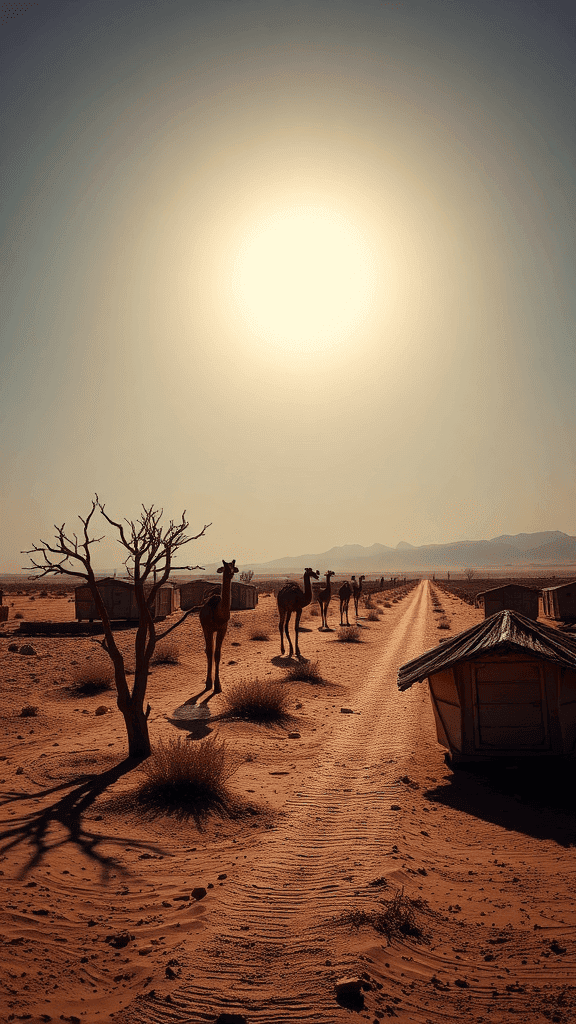
The Impact of Turkana County Solar Lighting on Desert Climate Solutions
In the arid landscape of Turkana County, solar lighting is revolutionizing life under the sun. With its vast desert climate, Turkana faces unique challenges, including limited electricity access and harsh environmental conditions. However, solar technology is paving the way for sustainable solutions that empower the local communities.
Turkana County is known for its stunning but challenging geography. With temperatures often soaring above 40 degrees Celsius, the need for reliable energy sources becomes urgent. Traditional electricity methods, such as diesel generators, are not only costly but also detrimental to the environment. This is where solar lighting comes into play, providing a cleaner, greener, and more sustainable solution for the inhabitants of this region.
One of the most significant benefits of solar lighting in Turkana County is the improvement in safety and security. When the sun sets, the dark nights can lead to dangerous situations for families. Solar street lights help to illuminate public spaces, making them safer for everyone. This visibility reduces crime rates and helps local businesses thrive by allowing longer hours of operation.
Moreover, solar lighting enhances the quality of life for the community. Imagine children being able to study after sunset with reliable light sources. Solar-powered lamps encourage education and learning by allowing students to complete their homework in well-lit environments. More children can access educational resources, which ultimately leads to better academic performance and future opportunities.
Further, solar lighting supports local healthcare initiatives. Many health facilities in Turkana lack stable electricity, making it difficult to provide essential medical services and maintain proper health records. With solar power, clinics can operate efficiently during the night, ensuring that critical care is always available. This advancement directly contributes to the well-being of the community, increasing access to healthcare services.
The economic impact of solar lighting in Turkana cannot be overstated. By utilizing solar energy, families save money that would have otherwise gone to fuel or expensive electricity bills. These savings can instead be redirected towards education, health care, and investments in local enterprises. Entrepreneurs now have the chance to start and expand small businesses that can operate longer hours thanks to reliable solar lighting.
Furthermore, the sustainability element of solar lighting should not be overlooked. Solar panels harness the abundant sunlight in Turkana County. This reduces dependence on fossil fuels, lowers carbon emissions, and limits environmental degradation. By shifting towards renewable energy, Turkana is setting a precedent for others in similar climates. Sustainable practices help combat climate change and protect the planet for future generations.
The community’s involvement in implementing solar lighting projects also reflects a sense of ownership and empowerment. Local organizations are increasingly taking the lead in installing solar solutions, ensuring that projects meet the specific needs of the people. Engaging the community fosters collaboration and ensures the sustainability of these initiatives.
By embracing solar lighting, Turkana County is laying down the foundation for a brighter future. The benefits extend far beyond merely illuminating streets; they touch every aspect of daily life—from enhancing safety, education, and health care to boosting the local economy. Adaptation to desert climate challenges through innovative solutions like solar lighting signifies resilience and progress in the face of adversity.
Among the many solar projects in Turkana, some notable highlights include:
- Community Solar Microgrids: These are small-scale solar energies developed to provide power for multiple households, ensuring consistent access to electricity.
- Solar Lantern Programs: Affordable solar lanterns are distributed to families, allowing them to engage in evening activities safely.
- Partnerships with NGOs: Collaboration between local organizations and NGOs has led to more efficient and widespread implementation of solar solutions.
The journey towards harnessing solar energy in Turkana County is still in its initial phase, yet it is already demonstrating the potential for transformative change. As more initiatives gain momentum, the possibility of a fully powered, sustainable Turkana County moves closer to reality. By investing in solar lighting, we can not only brighten lives but also contribute meaningfully to global efforts in combating climate change.
Innovations in Renewable Energy for Arid Regions: Lessons from Turkana County
In the heart of northern Kenya, Turkana County faces unique challenges because of its desert climate. With high temperatures and scarce rainfall, energy access has been a persistent issue for the residents. However, Turkana County also serves as a beacon of hope, showcasing how innovative renewable energy solutions can transform lives in arid regions. This journey toward sustainable energy is driven by the need for reliable power sources to support development and improve livelihoods.
Solar energy has been at the forefront of innovation in Turkana County. The region enjoys abundant sunshine throughout the year, making it an ideal candidate for solar technology. Local organizations have started to harness this natural resource to provide electricity to remote communities. The advantages of solar energy in Turkana County are multi-faceted:
- Accessibility: Solar panels can be deployed in areas where traditional electricity grids are impractical or too expensive to install. This helps reach the most underserved populations.
- Cost-effectiveness: Over time, solar energy reduces the cost of energy production. This is essential in a region with limited financial resources.
- Environmental friendliness: Solar energy produces no emissions, making it a clean alternative to fossil fuels that contribute to air pollution.
- Job creation: The implementation of solar projects creates jobs for locals, from installation to maintenance, boosting the local economy.
Organizations such as the Turkana Basin Institute and various non-governmental organizations have been pivotal in introducing solar lamp programs. These programs distribute solar lamps to households that previously relied on kerosene or battery-powered lights. The transition to solar lamps has shown significant benefits:
- Health improvements: Solar lamps reduce indoor air pollution associated with kerosene lamps, helping families breathe cleaner air.
- Enhanced education: Children can study longer hours in the evenings with adequate lighting, leading to better academic performance.
- Increased safety: Well-lit homes and villages reduce crime rates, as visibility increases after dark.
Beyond solar lighting, Turkana County is also exploring solar water pumping systems. These systems draw water from underground aquifers, addressing a crucial need in a region where water scarcity is a significant barrier to agriculture and daily living. By using solar-powered pumps, communities can access clean water without the burden of traditional fuel costs.
Additionally, Turkana County has padded its innovative strategy with community involvement. Local residents are consistently engaged in the planning and execution of renewable energy projects. This participatory approach ensures that the solutions meet the specific needs of the community and fosters a sense of ownership. Training programs help locals learn how to maintain and repair solar systems, ensuring sustainability.
The integration of other renewable technologies like wind and biogas is also gaining traction in Turkana County. Wind energy can complement solar during times when sunlight is less available, such as cloudy days or at night. Meanwhile, biogas can provide energy from organic waste, reducing reliance on external fuel sources and improving sanitation. The holistic use of these energy forms can help create a more resilient and self-sufficient community.
Government support plays a crucial role in promoting renewable energy. The Kenyan government has introduced various policies and incentives to encourage investment in solar and other renewable sources of energy. By providing tax breaks and streamlining the regulatory process, the government is making it easier for companies to enter the renewable energy market. This is particularly significant in Turkana County, where energy demand is rapidly growing due to population increases and development projects.
Turkana County stands as a model for arid regions worldwide by embracing innovative renewable energy solutions. The lessons learned here extend beyond geographical borders, showcasing that with the right resources, training, and community participation, it is possible to overcome the challenges posed by harsh climates. As the world grapples with climate change and energy demands, the success of Turkana County provides hope and a pathway for other regions facing similar hurdles.
Conclusion
Turkana County serves as a compelling case study for how solar lighting can address unique challenges faced by desert climates. The transformation brought about by renewable energy solutions not only illuminates homes and streets but also fosters a sense of safety and community cohesion. The use of solar lighting in this arid region demonstrates undeniable progress toward sustainable living, allowing residents to engage in various activities after dark, thereby promoting economic development and improving quality of life.
The innovative approaches taken in Turkana highlight the importance of tailoring renewable energy projects to the specific needs of the environment and its people. By harnessing solar power, the region showcases a scalable model for other arid areas facing similar challenges worldwide. This model not only provides a vital energy source but also serves as an educational platform, teaching communities about the benefits of sustainable practices and the importance of environmental stewardship.
Moreover, the positive ripple effects of solar lighting extend beyond mere illumination. They encourage local entrepreneurship, enhance educational opportunities, and help improve health outcomes by reducing reliance on kerosene lamps, which can be harmful. Clearly, Turkana’s commitment to adopting solar solutions is a powerful testament to what can be achieved when innovation meets necessity in the quest for a brighter, more sustainable future. As we look forward, it’s essential to continue investing in and learning from initiatives like Turkana’s solar lighting projects, ultimately paving the way for a greater adoption of renewable energy in arid ecosystems around the globe.