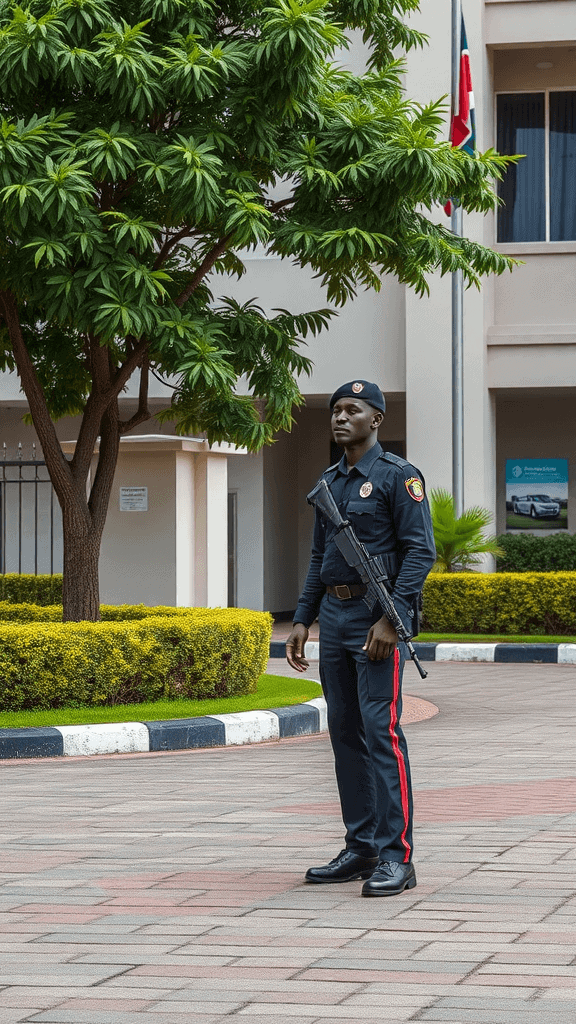
Strategies for Enhancing Kenyan Embassy Security and Diplomatic Facility Protection
Ensuring the safety of Kenyan embassies and diplomatic facilities is a critical concern in today’s global environment. With the rise of geopolitical tensions and threats against diplomatic missions, it is essential to implement robust strategies that enhance security. Here, we explore several effective methods for improving the security of these vital establishments.
First, enhancing physical security measures is fundamental. This can be achieved through:
- Barrier Systems: Installing reinforced fences and security walls can deter unauthorized access and provide additional time for response in emergencies.
- Access Control: Implementing strict access control protocols, such as keycard systems, biometric scanners, and visitor management systems, ensures that only authorized personnel can enter sensitive areas.
- Surveillance Technology: Utilizing advanced CCTV cameras and motion detectors helps monitor the vicinity. Integrating real-time alerts will enhance response times to potential threats.
Another significant aspect to consider is personnel training. All staff, from security personnel to administrative employees, should undergo training on security protocols. This training should cover areas such as:
- Emergency Procedures: Employees need to be well-versed in evacuation plans and procedures for different emergencies, including fires, natural disasters, or security threats.
- Conflict Management: Teaching staff how to handle confrontational situations can reduce the risk of escalation during a tense encounter.
- Regular Drills: Conducting drills ensures that staff remain calm and effective in the face of an emergency.
Collaboration with local law enforcement agencies and international security organizations is also crucial. By establishing strong relationships with law enforcement, embassies can develop tailored security protocols that meet local threats. Additional benefits include:
- Regular Assessments: Law enforcement can provide valuable insight through regular security assessments, identifying vulnerabilities that may not be apparent to embassy personnel.
- Intelligence Sharing: Collaborating with other diplomatic missions allows for the sharing of intelligence related to potential threats, creating a stronger united front against risks.
Cybersecurity is another vital aspect of embassy security. With the digital world evolving, the threat to data and communication is significant. Protecting sensitive information can be achieved through:
- Secure Communication Systems: Utilizing encrypted communications can safeguard against interception by unauthorized entities.
- Regular Software Updates: Frequent updates to security software help defend against new cyber threats and vulnerabilities.
- Employee Education: Training staff on identifying phishing attempts and secure password practices is essential in reducing cybersecurity risks.
Moreover, conducting risk assessments regularly can identify emerging threats and vulnerabilities. By evaluating security measures periodically, embassies can adapt to changing conditions and technologies. Key components of a successful risk assessment include:
- Threat Analysis: Identifying potential internal and external threats helps in formulating effective mitigative strategies.
- Vulnerability Assessment: Recognizing existing weaknesses within the security framework enables timely enhancements.
- Impact Analysis: Understanding how security breaches could affect operations informs priority decisions in security investments.
Engaging with local communities can also enhance security. By building positive relationships with community members, embassies can gain support in monitoring suspicious activities. This connection fosters trust and makes it more likely that locals will report concerns about unusual behaviors or events.
Leveraging advanced technology can transform embassy security. Innovations such as AI-powered surveillance systems provide more sophisticated monitoring capabilities, while drones can assist in perimeter security. Technology integration should include:
- Smart Sensors: These can detect unusual movement patterns or sounds, alerting security personnel to potential threats immediately.
- Data Analytics: Using analytical tools to study security data can reveal patterns or weaknesses in existing security measures.
- Automated Response Systems: Implementing systems that can automatically respond to specific threats can enhance security response times.
By implementing these strategies, Kenyan embassies and diplomatic facilities can significantly enhance their security. Continuous evaluation and adaptation to new threats ensure that embassies remain safe havens for both diplomats and citizens visiting international shores.
The Role of Technology in Safeguarding Diplomatic Environments
In today’s world, the landscape of international diplomacy is rapidly evolving, and with it, the necessity for robust security measures in diplomatic environments has never been more critical. Technology plays a transformative role in safeguarding these facilities, enhancing not only physical security but also communication and operational efficiency. Various advanced tools and systems are now integral to the protection of diplomatic missions and personnel.
Surveillance Technology
One of the most significant developments in securing diplomatic environments has been the rise of surveillance technology. These systems can include:
- CCTV Cameras: High-definition closed-circuit television cameras provide real-time surveillance and recording capabilities, allowing security personnel to monitor any suspicious activity.
- Motion Sensors: This technology detects movement within and around the premises, triggering alerts to security staff immediately.
- Facial Recognition Software: Used to identify individuals entering the facility, enhancing personnel verification and access control.
By implementing these technologies, embassies can ensure a constant watch over their surroundings, effectively deterring potential threats and ensuring a swift response in case of any incidents.
Access Control Systems
Access control is another area where technology is making strides. These systems regulate who can enter specific parts of a diplomatic facility. Key components include:
- Keycard Systems: Employees and authorized visitors use keycards to access different areas, improving the monitoring of who is present inside the building.
- Biometric Scanners: These scanners may include fingerprint, retina, or facial recognition technology, making it far more difficult for unauthorized personnel to gain access.
Advanced access control helps protect sensitive areas within embassies, ensuring that only trusted individuals can enter critical zones.
Communication Security
Secure and reliable communication is vital for any diplomatic mission. Various technological solutions are now commonly implemented:
- Encrypted Communication Tools: These tools protect the integrity of communications, offering secure channels for sensitive discussions. Examples include secure email services and specialized messaging apps.
- Virtual Private Networks (VPNs): VPNs provide a secure connection over the internet, allowing diplomatic staff to communicate and transfer information safely, even from remote locations.
Utilizing these technologies ensures that all communication remains confidential, significantly reducing the risk of espionage or unauthorized surveillance.
Cybersecurity Measures
As diplomatic missions become increasingly dependent on technology, cyber threats loom large. Diplomatic facilities are prime targets for cyberattacks that aim to steal sensitive data. To combat such threats, embassies are adopting various cybersecurity measures:
- Firewalls and Anti-virus Software: These foundational tools protect networks from unauthorized access and malware attacks.
- Regular Security Audits: Conducting audits helps identify vulnerabilities within the digital infrastructure, allowing for timely interventions and upgrades.
By prioritizing cybersecurity, diplomatic facilities can ensure they are safeguarding not only their physical assets but also crucial data integral to their operations.
Emergency Response Technologies
In the event of a security breach or emergency, rapid response is essential. Today’s technology plays a pivotal role in enabling quicker reactions:
- Alert Systems: Automated messaging services can quickly notify all staff of a potential threat or emergency, ensuring everyone is informed.
- Mobile Apps for Staff: Apps that provide safety protocols, location tracking, and instant communication can streamline evacuations and responses during crises.
With efficient emergency response technologies, diplomatic missions can manage crises more effectively, ensuring that personnel are safe and informed during dangerous situations.
The integration of technology into the security framework of diplomatic environments is transforming how embassies and consulates protect their personnel and sensitive information. With advancements in surveillance, access control, communication security, cybersecurity, and emergency response measures, these facilities can effectively mitigate risks and enhance their overall security posture. This commitment to leveraging technology ensures that they remain operational and secure in an increasingly complex global landscape.
Conclusion
As we look towards the future of Kenyan Embassy security and diplomatic facility protection, it’s clear that a multi-faceted approach is essential. Implementing innovative strategies that combine both physical measures and technological advancements is vital to ensuring the safety of our diplomatic missions. Regular assessments and updates to existing protocols allow embassies to adapt to ever-evolving threats. This proactive mindset creates a robust security culture within diplomatic facilities.
Technology plays a pivotal role in strengthening these defenses. From advanced surveillance systems to sophisticated access control measures, leveraging modern tools can vastly enhance overall security. Integrating comprehensive training programs for embassy staff ensures that everyone is equipped to respond effectively in crisis situations. The melding of human vigilance and technology creates a fortified environment where diplomats can work confidently.
Additionally, collaboration with local law enforcement and security agencies can provide invaluable support, enabling a more extensive network of safety protocols. Engaging with community stakeholders fosters trust and enhances the intelligence-gathering processes necessary for preemptive action.
Ultimately, prioritizing the security of Kenyan embassies not only protects diplomats but also safeguards the country’s interests abroad. By embracing a culture of innovation and preparedness, we secure a brighter and safer diplomatic future for Kenya and its representatives worldwide. The strength of our diplomatic presence lies in our commitment to resilience, adaptability, and forward-thinking strategies that meet the challenges of an increasingly complex global landscape.