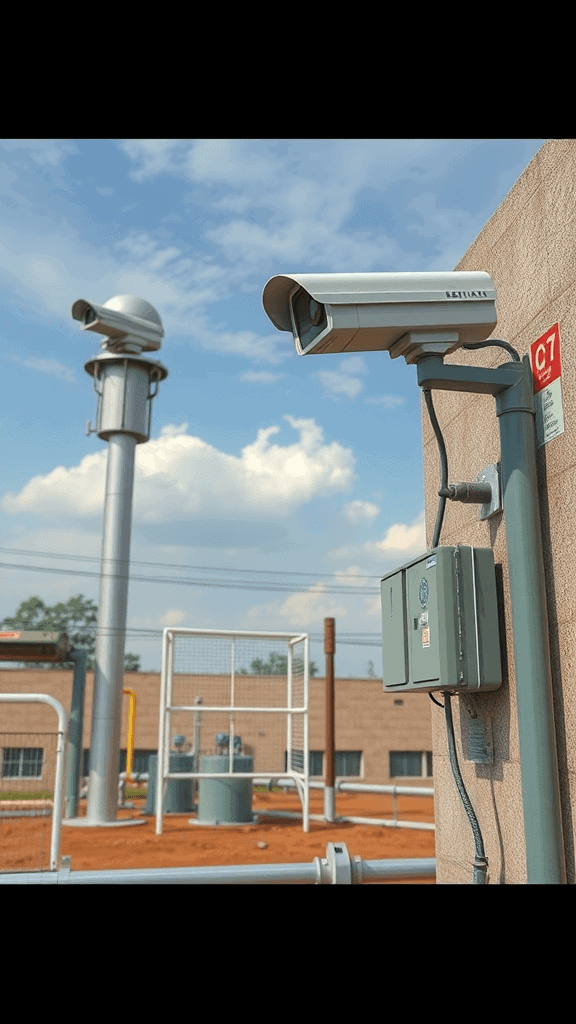
The Importance of CCTV in Enhancing Kenya Water Treatment Security
In recent years, the need for water treatment security in Kenya has become increasingly urgent. With a growing population and rising water supply challenges, ensuring the safety and integrity of water treatment facilities is paramount. CCTV (Closed-Circuit Television) plays a crucial role in enhancing this security. Let’s dive into how it impacts the overall safety of these vital facilities.
CCTV systems provide a powerful tool for monitoring water treatment facilities. By using these systems, operators can keep a close eye on various areas within the facility, ensuring that everything is running smoothly. Here’s why CCTV is essential for water treatment security:
- Deterrence of Criminal Activity: The presence of CCTV cameras can deter potential intruders or vandals. When people know they are being watched, they are less likely to engage in illegal activities.
- Real-Time Monitoring: Operators can view live feeds from multiple cameras at once, allowing for immediate response to any suspicious activities. Quick decision-making is crucial in preventing potential disasters.
- Evidence Collection: In the event of a security breach or incident, recorded footage serves as vital evidence. This can help law enforcement in investigations and provide clarity during legal proceedings.
- Enhanced Control: CCTV enhances the ability to control access to sensitive areas of the facility. By monitoring who enters and exits specific zones, you can maintain strict security protocols.
- Operational Efficiency: Regular monitoring through CCTV can help identify operational inefficiencies or equipment malfunctions. This ensures water quality standards are maintained and resources are used efficiently.
As water treatment facilities face various challenges like theft, vandalism, or sabotage, CCTV systems work to mitigate these risks. A well-designed CCTV network can cover critical areas such as chemical storage, machinery rooms, and entrance points. This allows for comprehensive surveillance, ensuring no part of the facility goes unchecked.
The integration of modern technology further enhances CCTV effectiveness. Features such as motion detection, night vision, and facial recognition are becoming more common. These advancements enable systems to automatically alert security personnel when movement is detected in restricted areas, regardless of the time of day. With these capabilities, security teams can respond quickly to potential threats.
Moreover, CCTV can positively affect staff safety. Monitoring workplace environments helps ensure employees feel secure. Knowing they are protected encourages them to work efficiently and without fear. This leads to a more productive workplace culture and better water treatment outcomes.
In Kenya, the effort to elevate CCTV systems in water treatment security is gaining momentum. Government initiatives and investments in technology aim to improve the safety of these facilities. As more utilities recognize the importance of safeguarding water sources, the role of surveillance systems will become increasingly significant.
Collaboration between authorities and technology providers can create a robust security framework around water treatment. Understanding local risks and adjusting CCTV deployment accordingly will help ensure maximum effectiveness.
For communities relying on treated water, enhanced security measures lead to greater confidence in the safety of their water supply. Regular audits and maintenance of the CCTV systems also play a vital role in their efficiency. Continuous checks ensure that cameras are functioning correctly and that recording devices are properly stored and secured.
The investment in CCTV technology is an investment in the future of Kenya’s water resources. As the frequency of threats to infrastructure rises, surveillance becomes a non-negotiable element of operational security. Effective deployment of these systems can lead to better monitoring of water quality, which is crucial for public health.
CCTV is an invaluable asset for enhancing the security of water treatment facilities in Kenya. By deterring criminal activity, enabling real-time monitoring, and ensuring evidence collection, these systems contribute to a safer and more reliable water treatment process. Through ongoing advancements in technology and strategic deployments, CCTV systems will continue to play a pivotal role in safeguarding Kenya’s water resources for years to come.
Best Practices for Implementing CCTV in Utility Facilities in Kenya
Ensuring the security of utility facilities in Kenya is vital, especially when it involves water treatment plants. These facilities play a crucial role in providing safe drinking water to communities. One effective way to enhance security is by implementing CCTV systems. Here are some best practices for integrating CCTV in utility facilities.
Assess the Security Needs
Before installing CCTV, it is essential to assess the specific security needs of your facility. Consider the following:
- Identify high-risk areas: Focus on spots where unauthorized access is most likely.
- Evaluate previous incidents: Learn from past security breaches to understand vulnerabilities.
- Determine the level of surveillance required: Decide if real-time monitoring or recorded footage is more necessary for your needs.
Selecting the Right Equipment
Choosing the appropriate cameras and equipment is a cornerstone of an effective CCTV system. Here are key points to consider:
- Camera Type: Opt for high-definition cameras that offer clear images, especially in low-light conditions.
- Weatherproof Options: Ensure cameras can withstand the environmental conditions present in your facility.
- Storage Solution: Determine if you will use local storage or cloud-based solutions for footage, taking into account data retention requirements.
Strategic Camera Placement
Placement of cameras plays a significant role in the effectiveness of the surveillance system. Consider these strategic locations:
- Entry and exit points: Capture footage of everyone entering or leaving the facility.
- Perimeter fencing: Monitor any potential breaches in the boundary.
- Critical infrastructure areas: Focus on areas such as control rooms, chemical storage, and pump stations.
Integrating with Existing Security Systems
For maximum security, integrate the CCTV system with other security measures in place. This may include:
- Alarm systems: Sync alarms with the CCTV for immediate alerts on security breaches.
- Access control systems: Combine access logs with video feeds to track who enters the facility.
- Emergency response protocols: Ensure that security footage is readily available for investigations and crisis management.
Regular Maintenance and Upgrades
Staying proactive with the maintenance of your CCTV system is critical for ongoing efficacy. Regular checks should include:
- Routine camera cleaning: Ensure lenses are clear for optimal image quality.
- Software updates: Keep CCTV systems up to date to protect against vulnerabilities.
- Functionality tests: Regularly test cameras and storage solutions to confirm they are operational.
Compliance with Legal Standards
When implementing a CCTV system, it’s important to comply with local laws and regulations regarding surveillance. Here are steps you should take:
- Familiarize with privacy laws: Understand the legal implications of monitoring employees and public areas.
- Notify personnel: Inform staff about the presence of CCTV and its purpose to maintain transparency.
- Secure data properly: Protect recorded footage to ensure it is used strictly for its intended purpose.
Training Staff on System Usage
Training plays a vital role in maximizing the benefits of your CCTV system. Important training components include:
- Proper monitoring skills: Teach staff how to effectively watch live feeds and recognize suspicious activities.
- Data retrieval: Ensure staff knows how to access recorded footage quickly during an incident.
- Incident reporting: Foster a clear process for reporting security issues that arise from CCTV monitoring.
Utilizing these best practices will help secure water treatment facilities in Kenya. A well-planned CCTV system not only protects essential infrastructure but also ensures the safety and trust of the communities served. With careful attention to equipment, placement, and personnel training, your utility facilities can run more securely, providing peace of mind for all stakeholders.
Conclusion
Enhancing the security of water treatment facilities in Kenya is crucial for maintaining the health and safety of communities. The integration of CCTV systems offers a powerful solution for increasing security measures against potential threats and ensuring the integrity of water resources. By providing real-time surveillance, CCTV technology enables utilities to monitor activities continuously, which can deter criminal behavior and quickly identify any suspicious incidents.
Implementing best practices in the deployment of CCTV systems is essential for maximizing their effectiveness. This includes careful planning of camera placement to cover all critical areas, investing in high-resolution cameras for clearer images, and ensuring data storage complies with regulatory standards. Training staff to respond to alerts can make a significant difference in managing security incidents. Additionally, regular maintenance of the CCTV equipment guarantees its functionality and reliability.
For utility facilities in Kenya, the strategic use of CCTV not only protects vital assets but also fosters a culture of safety and accountability. By prioritizing security through advanced surveillance technologies, water treatment operators are better positioned to shield their facilities from threats. This proactive approach ultimately benefits the entire community, ensuring safe and reliable access to clean water. As we move forward, adopting these best practices will be key to developing a robust security framework that can support Kenya’s growing water utility needs and contribute to the nation’s overall public health.