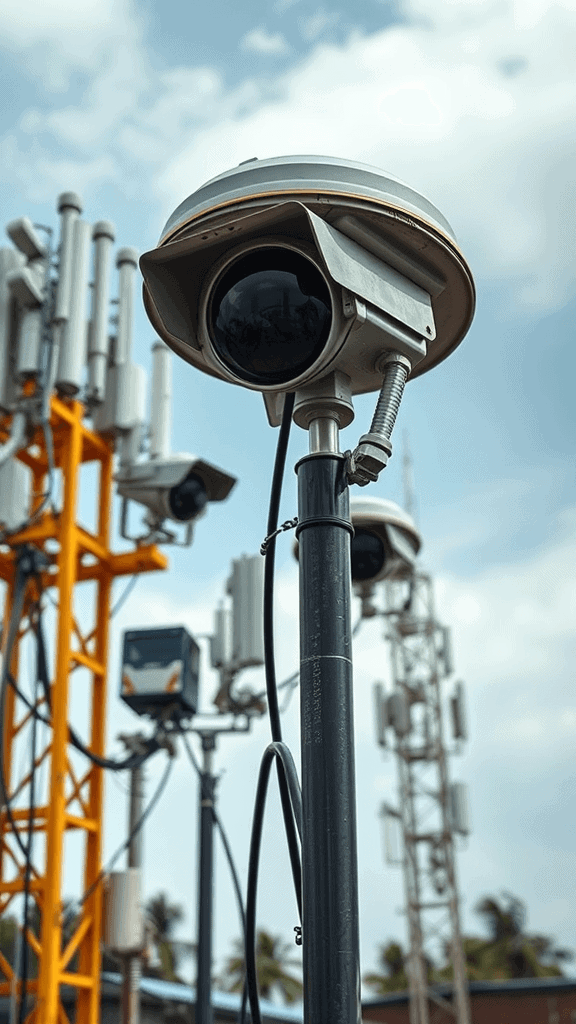
Enhancing Kenya Telecommunications Security Through Advanced CCTV Integration
The telecommunications sector in Kenya plays a crucial role in the country’s economic development and connectivity. As this sector expands, ensuring robust security for telecommunication infrastructure has become increasingly vital. One effective method to enhance security within this framework is the integration of advanced CCTV systems. This article explores how CCTV technology not only protects telecom infrastructure but also safeguards valuable data and enhances overall operational efficiency.
Telecom infrastructure is often under threat from various risks, including vandalism, theft, and unauthorized access. CCTV systems provide a proactive approach to these security challenges by offering real-time surveillance and recording capabilities. This level of monitoring not only helps deter criminal activity but also assists law enforcement in addressing breaches should they occur.
Benefits of CCTV Integration in Telecommunication Security
Integrating CCTV systems into Kenya’s telecommunications infrastructure presents numerous advantages:
- 24/7 Monitoring: CCTV systems enable continuous surveillance, which is essential in monitoring activities around telecommunication facilities. This ensures that any suspicious behavior is detected and addressed promptly.
- Deterrent to Crime: The presence of visible CCTV cameras can deter potential criminals from targeting telecom sites. Knowing they are being watched can prevent crimes before they happen.
- Evidence Collection: In the event of security breaches, the recorded footage can serve as vital evidence for law enforcement, enhancing the ability to prosecute offenders.
- Operational Insight: Beyond security, CCTV systems can also provide valuable insights into traffic patterns around telecom facilities. This information can help optimize operations in real-time.
Choosing the Right CCTV Technology
Not all CCTV systems are created equally. Selecting the right technology is crucial for maximizing security in the telecommunications sector. Consider the following factors when implementing CCTV solutions:
- Resolution: High-definition cameras provide clearer images, making it easier to identify individuals and events. Look for systems that offer at least 1080p resolution.
- Night Vision: In Kenya, many incidents can occur at night. Ensure your CCTV system includes infrared or low-light capabilities for effective monitoring after dark.
- Remote Access: With advancements in technology, modern CCTV systems allow users to monitor footage remotely via smartphones or computers. This feature adds an extra layer of convenience and security.
- Integration with Other Security Systems: Choose a CCTV system that can integrate seamlessly with other security measures, such as alarms or access control systems, to create a comprehensive security solution.
Challenges of Implementing CCTV in Kenya
While the benefits of CCTV integration in telecommunications are substantial, there are challenges that organizations must overcome:
- Infrastructure Limitations: In some areas, poor network infrastructure can hinder the effectiveness of high-tech CCTV solutions, especially those reliant on cloud technology.
- Cost Implications: Implementing a comprehensive CCTV system may require significant investment, which can be a barrier for smaller telecommunications companies.
- Training Personnel: Staff must be trained not just to operate the CCTV systems, but also to respond appropriately to any incidents captured on video.
Future Trends in CCTV Technology
The future of CCTV technology in telecommunications security looks promising. Innovations such as artificial intelligence and machine learning can enhance the capability of CCTV systems. For example:
- Smart Surveillance: AI systems can analyze surveillance footage in real-time, detecting unusual patterns that human operators may miss.
- Facial Recognition: This technology can help identify individuals accessing telecom facilities, further enhancing security measures.
- Cloud Storage: Moving data to the cloud can increase storage efficiency and accessibility, allowing for easier retrieval of footage and data management.
By effectively integrating advanced CCTV technology, Kenya’s telecommunications industry can significantly enhance its security posture. Not only does this protect valuable infrastructure and data, but it also fosters trust and confidence among users and stakeholders. As the sector continues to evolve, the integration of leading-edge technology will be essential in navigating security challenges efficiently.
The Role of Telecom Infrastructure in Ensuring Public Safety in Kenya
The telecommunications sector plays a crucial role in enhancing public safety in Kenya. As urban areas expand and digital communication becomes a fundamental aspect of everyday life, a robust telecom infrastructure is essential. This infrastructure not only supports communication services but also contributes significantly to security measures that protect citizens and property. With the rising concerns about crime and emergencies, investing in telecom infrastructure is no longer just about connectivity; it’s about building a safer society.
One key element of this infrastructure is the installation of CCTV (Closed-Circuit Television) systems in strategic locations. These cameras are strategically placed in urban centers, along highways, and in business districts. They serve multiple purposes that enhance public safety:
- Crime Deterrence: The presence of CCTV cameras acts as a deterrent for potential criminals. Knowing that their actions are being recorded can discourage theft, vandalism, and other criminal activities.
- Evidence Collection: In case a crime occurs, CCTV footage provides essential evidence that can help law enforcement identify suspects and investigate incidents effectively.
- Real-time Monitoring: With advancements in technology, many CCTV systems are now integrated with mobile networks. This allows security personnel to monitor live feeds from the cameras, enabling swift responses to emergencies.
- Traffic Management: Cameras are also vital for monitoring traffic flow and accidents. They help in managing congestion and can aid emergency services in reaching their destinations quickly.
Additionally, emergency communication systems, such as alerts and notifications, are heavily reliant on a strong telecom infrastructure. When disasters strike—whether natural or man-made—timely information is critical. The use of mobile networks allows authorities to send out warnings and updates to the populace instantly. For example, if there is an impending flood or a security threat, messages can be dispatched within moments to keep citizens informed and safe.
Furthermore, the integration of telecom infrastructure with other sectors boosts the overall safety in Kenya. For instance, smart city initiatives incorporate technology into urban planning to improve living conditions. These initiatives leverage telecom networks for the following:
- Public Light Systems: Smart streetlights can be activated remotely and adjusted based on traffic and pedestrian activity, enhancing safety at night.
- Emergency Services: Efficient communication between police, ambulance services, and fire departments is vital. With reliable telecom networks, these services can coordinate effectively during emergencies.
- Community Engagement: Information sharing platforms can engage communities in safety programs, crime reports, and safety workshops.
Moreover, partnerships between the government and telecom companies have proven effective in enhancing public safety. By collaborating, they can expand the reach of telecom networks to rural and underserved areas. This ensures that even those in remote locations have access to communication services during emergencies. In this way, everyone, regardless of their location, can receive crucial updates and alerts.
Another significant aspect of telecom infrastructure in the context of public safety is cybersecurity. As networks evolve, the increase in cyber threats poses risks to both personal data and national security. Telecom companies are investing in advanced security measures to protect their infrastructure and users. Implementing firewalls, encryption, and surveillance technologies helps safeguard sensitive information and maintains the reliability of communication services.
Investing in telecom infrastructure for public safety is an ongoing commitment. It requires not only initial capital but also continuous improvement to adapt to changing threats. Regular maintenance and upgrades ensure that systems remain functional and effective.
As Kenya continues to develop its telecommunication framework, the focus on incorporating security features will play a pivotal role in ensuring safety for all. Modern technologies, combined with proactive policies and community involvement, can help create safer urban environments. In the long run, building a secure telecom infrastructure not only enhances connectivity but ultimately contributes to a safer and more resilient society.
Conclusion
As Kenya continues to embrace technological advancements, the integration of advanced CCTV systems into telecommunications infrastructure is proving vital for enhancing security measures. These sophisticated surveillance tools not only deter criminal activities but also provide a rapid response mechanism in case of emergencies. By using real-time monitoring capabilities, authorities can ensure quicker intervention during incidents, thereby safeguarding public spaces and enhancing overall safety.
Moreover, robust telecom infrastructure plays a critical role in the effectiveness of these CCTV systems. Reliable communication networks ensure that data flow remains uninterrupted, allowing law enforcement agencies to access video feeds and information swiftly. This level of connectivity is essential for maintaining an organized and efficient approach to public safety.
Investing in the enhancement of telecommunications security through CCTV integration is not just a technological upgrade; it is a proactive step towards a safer future for all Kenyans. The collaboration between telecom providers, local governments, and security agencies can lead to a more secure environment. As the benefits of such systems become evident, it becomes clear that maximizing public safety requires a comprehensive and strategic approach to telecom infrastructure.
Ultimately, the commitment to improving telecommunications security in Kenya will result in a more secure environment for businesses and residents alike. By embracing innovative solutions like advanced CCTV networks, Kenya sets a benchmark in ensuring public safety, thus fostering trust and a sense of security within communities. With continued efforts and technologies in place, the future of Kenya’s safety looks promising.