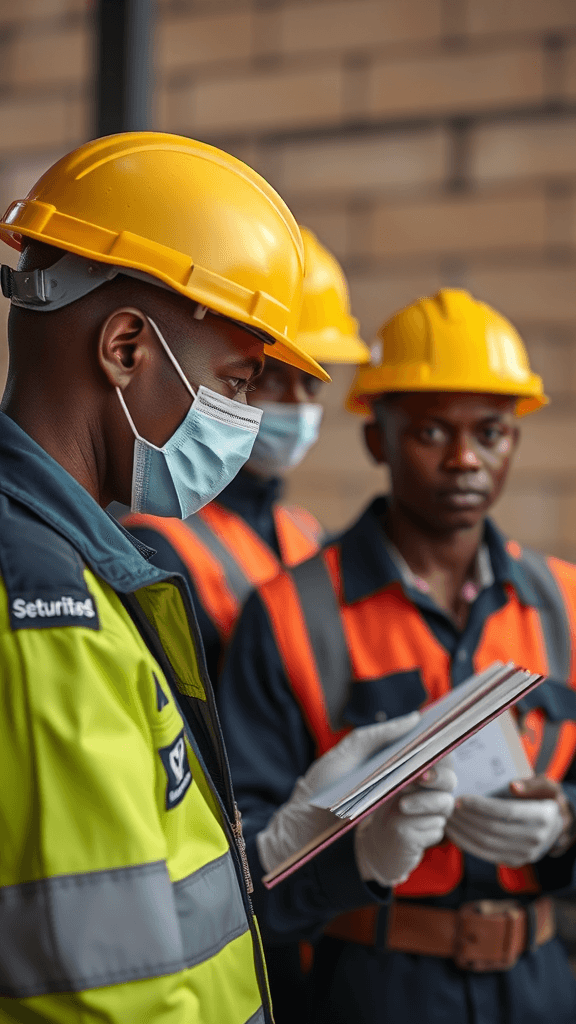
Ensuring Safety in Vocational Training at Kenya Technical Colleges
Vocational training plays a crucial role in equipping students with practical skills needed for various jobs. In Kenya, technical colleges are centers of excellence in this area. However, ensuring safety during vocational training at these institutions is vital for fostering a conducive learning environment.
Safety cannot be compromised when it comes to equipping students with essential vocational skills. Here are some key factors to consider for maintaining safety in Kenya’s technical colleges:
- Safety Training Programs: Institutions should implement comprehensive safety training programs that cover essential skills and emergency protocols. This includes first aid training, equipment handling, and disaster response maneuvers.
- Workplace Safety Standards: Ensuring that workplaces within technical colleges adhere to safety standards is paramount. Regular inspections should be conducted to confirm that equipment and facilities meet safety regulations.
- Personal Protective Equipment (PPE): Providing students with appropriate PPE is critical. This can include helmets, gloves, goggles, and other necessary gear that protects them while they learn.
- Maintenance of Tools and Equipment: Regular maintenance checks on all tools and machinery used in vocational training can prevent accidents. Colleges should have a schedule for tool inspections to ensure they are safe for use.
- Emergency Response Protocols: Establishing clear emergency response protocols helps prepare students and staff for unexpected events. Drills should be regularly conducted to ensure everyone knows what to do in case of an emergency.
- Qualified Instructors: Having instructors who are well-trained in safety measures enhances the overall safety environment. They play a vital role in demonstrating proper practices and monitoring students.
Creating a positive safety culture within the college environment can significantly reduce accidents. Encouraging students to participate in discussions about safety and providing feedback on safety policies can engage them and create awareness. When students feel they are part of the safety process, they are more likely to adhere to guidelines.
Active participation in safety initiatives, such as forming a safety committee composed of students and staff, can greatly enhance the culture of safety. This committee can oversee safety protocols, conduct training sessions, and help in follow-ups on any safety issues raised.
In addition, educational campaigns on the importance of safety in vocational training should be regularly organized. These campaigns can not only highlight potential hazards but also educate students on best practices to prevent accidents.
It’s also beneficial to showcase role models within the institution. Highlighting students who prioritize safety can inspire others to follow suit. Peer-led safety workshops can foster a collaborative learning atmosphere where everyone is involved in promoting safety.
Communication plays a significant role in maintaining safety standards. Students should feel comfortable reporting safety concerns without fear of repercussions. Creating anonymous feedback channels can help in addressing safety issues proactively and effectively.
Here are a few additional tips for ensuring safety in vocational training:
- Regular refresher courses on safety protocols.
- safety topics into coursework.
- Utilizing technology, such as mobile apps, for reporting safety issues easily.
- Promoting mental well-being as a part of safety; stress can lead to accidents.
Safety in vocational training at Kenya Technical Colleges is a shared responsibility. Everyone—students, instructors, and staff—must work together to create a safe learning environment. By implementing structured safety measures, encouraging open communication, and promoting a culture of safety, these institutions can ensure that students are well-equipped to thrive both during their training and in their future careers.
The Role of Security Measures in Enhancing Student Learning Experiences
In today’s educational environment, the safety of students is paramount. Schools and institutions recognize that a secure setting contributes significantly to an optimal learning experience. By implementing robust security measures, educational institutions can foster an atmosphere where students feel protected and secure, allowing them to focus on their studies and personal development.
The Importance of Safety in Learning Environments
A secure environment is essential for enhancing student learning experiences. When students feel safe, they are more likely to participate actively in class discussions, collaborate with peers, and engage with the learning material. Conversely, a lack of security can lead to fear and distraction, which can negatively impact academic performance.
Effective Security Measures
Institutions can employ various security measures that directly influence student engagement and academic success. Here are some common strategies:
- Access Control: Limiting entry to school premises during class hours can significantly reduce the chances of unauthorized access. Employing security personnel and ID badges for students and staff can also enhance safety.
- Surveillance Systems: Installing cameras across campus can deter unwanted behavior and allow for monitoring of common areas. This aids in both preventing incidents and responding more effectively when they occur.
- Emergency Response Training: Regular training sessions for staff and students on emergency procedures are essential. This builds confidence in managing crises and ensures everyone knows how to act when faced with potential threats.
- Safe Zones: Creating designated safe zones within institutions provides students a space where they can go if they feel threatened or unsafe. This initiative fosters a supportive community.
- Counseling Services: Offering access to counselors provides students with emotional support. A strong support system helps students navigate through their academic journeys while addressing personal challenges.
Creating a Positive Climate
When security measures are in place, they directly contribute to creating a positive school climate. A nurturing environment empowers students to thrive academically and socially. Furthermore, involving students in discussions around safety creates a sense of ownership, enhancing their connection to the institution.
Encouraging peer-led safety initiatives can also boost student morale. When students actively participate in maintaining a safe atmosphere, it reinforces their responsibility towards themselves and their friends. This results in increased vigilance and cooperation among students.
The Impact of Safety on Academic Performance
Numerous studies have shown the correlation between safety and academic success. Students who are confident in their safety frequently perform better academically. Here are some notable impacts:
- Improved Attendance: When students feel sheltered from danger, their overall attendance rates improve. Consistent attendance is critical for academic achievement as it allows students to remain engaged in the learning process.
- Enhanced Focus: With security concerns alleviated, students are better able to concentrate on their studies. This focus translates into higher quality classwork and increased responsiveness during lectures.
- Better Social Interactions: Safety fosters an environment where students are more likely to engage in healthy social interactions. Positive relationships with peers and faculty lead to a more harmonious educational atmosphere.
Challenges in Implementing Security Measures
Despite the numerous benefits of security measures, schools may face challenges in implementation. Budget constraints can limit the availability of resources for advanced security technologies. Additionally, schools must be careful to ensure that security measures do not infringe upon the students’ rights to privacy.
Open communication between students, parents, and administrators ensures that everyone is aware of the security policies in place. This transparency builds trust and reinforces the notion that a secure environment is a community effort. It is vital to strike the right balance where safety does not become a source of anxiety but rather a foundation for growth.
A Shared Responsibility
Enhancing student safety through effective security measures is a shared responsibility involving the entire school community. By focusing on both physical and emotional safety, institutions can foster an educational environment that nurtures academic excellence and personal development. Ultimately, when students feel safe, they are more equipped to learn and succeed.
Conclusion
The commitment to ensuring safety in vocational training at Kenya Technical Colleges is crucial for fostering an environment where students can thrive and focus on their studies. Safety should never be an afterthought; it must be a foundational element embedded in the educational experience. By implementing robust security measures, colleges not only protect their students from potential threats but also create an atmosphere conducive to learning. When students feel secure, their ability to engage with their coursework and practical assignments improves significantly.
Security measures play a vital role in enhancing student learning experiences. They instill a sense of confidence, allowing students to concentrate on developing their skills without distraction or fear. Whether it’s through controlled access to campuses, effective surveillance systems, or trained security personnel, each strategy contributes to a holistic approach to student safety.
Moreover, the collaboration between college administration, local law enforcement, and students is essential to build a comprehensive safety strategy. This teamwork promotes a culture of awareness and responsibility among all stakeholders. As vocational training continues to evolve, prioritizing safety and security measures will ensure that they align with the needs of the learners.
Ultimately, as Kenya Technical Colleges strive to deliver quality vocational training, a strong emphasis on security will pave the way for future generations to learn, grow, and excel in their chosen fields. Investing in safety is a guarantee of not only protecting students but also empowering them to reach their full potential in a secure and supportive environment.