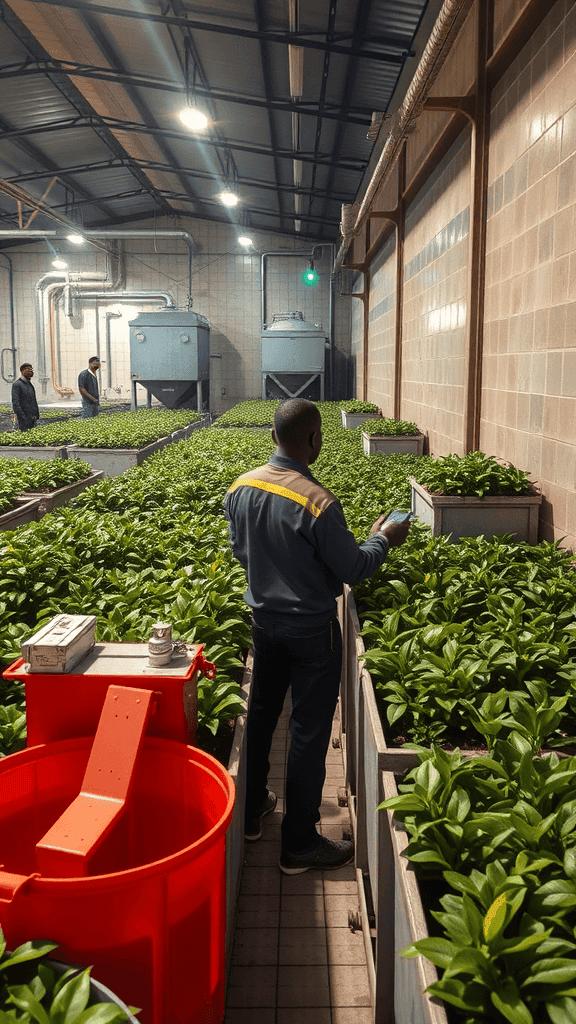
The Role of CCTV in Enhancing Security at Kenya Tea Factories
The tea industry is a vital part of Kenya’s economy, contributing significantly to its GDP and providing jobs to thousands of citizens. However, like any other industry, it faces various security challenges. One tool that is proving to be invaluable in ensuring safety and security at tea processing plants across Kenya is Closed Circuit Television (CCTV). With advanced technology, CCTV systems play a crucial role in mitigating risks and enhancing the overall security of tea factories.
CCTV systems provide real-time monitoring of various areas within a tea processing facility. From production lines to entry and exit points, these cameras ensure that security personnel can keep a watchful eye on all operations. This proactive monitoring helps deter criminal activities such as theft and vandalism, ensuring that the valuable resources of the factory remain protected.
Moreover, CCTV footage can serve as critical evidence in case of any security breaches. If an incident occurs, the recorded material can help in identifying suspects and understanding the nature of the crime. Factories equipped with such surveillance capabilities often have more effective incident reduction strategies, as they can swiftly analyze security gaps based on recorded data.
In addition to theft prevention, CCTV enhances safety standards by monitoring worker behavior and compliance with safety protocols. By observing operations in real time, management can ensure that workers adhere to safety regulations. This not only protects the employees but also helps maintain the quality of tea production, which is paramount for maintaining customer satisfaction.
One of the key features of modern CCTV systems is remote access. Security teams can monitor feeds from anywhere, whether they are on-site or off. This flexibility allows for immediate responses to emergencies or unusual activities. In the fast-paced environment of a tea factory, being able to act quickly is crucial, especially when dealing with potential safety hazards or security threats.
Furthermore, the use of advanced analytics in CCTV systems enhances their effectiveness. Many modern cameras come equipped with sophisticated technologies such as motion detection, facial recognition, and behavior analysis. These features can alert security personnel to suspicious behavior or unauthorized access, allowing them to promptly investigate and act.
Another significant advantage of implementing CCTV in tea factories is the potential cost savings. Although there is an initial investment, the long-term benefits often outweigh the costs. By reducing theft, minimizing losses, and improving workplace safety, facilities can experience better overall productivity. Less crime translates to less downtime, which means more focus on tea production and higher profits.
The integration of CCTV with other security systems further enhances the security landscape of tea factories. When combined with alarm systems, access controls, and security personnel, CCTV becomes an integral part of a comprehensive security strategy. This layered approach ensures that all vulnerabilities are addressed, creating a safer environment for workers and protecting the factory’s assets.
As the tea industry in Kenya continues to grow, so does the need for advanced security measures. Embracing modern technology like CCTV can lead to significant advancements in security protocols. Factories that invest in robust surveillance systems position themselves not only for improved safety but also for increased operational efficiency.
It’s essential for tea factory owners and managers to regularly evaluate the effectiveness of their CCTV systems. Regular maintenance and upgrades will ensure that the technology continues to meet evolving security needs. Training staff on how to use these systems effectively can also greatly enhance their utility.
- Real-time monitoring
- Evidence collection for incidents
- Employee safety and protocol adherence
- Remote access for quick response
- Advanced analytics for proactive measures
- Cost-effective security solution
- Integration with other security systems
CCTV systems are more than just a surveillance tool; they are a strategic partner in ensuring the safety and security of tea processing plants in Kenya. By effectively utilizing this technology, tea factories can secure their operations, protect their staff, and ultimately contribute positively to the nation’s economy.
Best Practices for Implementing Effective CCTV Systems in Food Processing Plants
Implementing a CCTV system in food processing plants is crucial for maintaining safety and quality. These systems not only deter theft but also monitor production processes, ensuring compliance with health and safety standards. Below are best practices to consider when installing and managing an effective CCTV system in these facilities.
The first step in implementing a CCTV system is identifying the specific needs of your food processing plant. This involves understanding areas that require surveillance, such as production lines, storage areas, and entry/exits. By determining the high-risk zones, you can place cameras strategically to cover these critical points. It’s essential to include both indoor and outdoor locations to prevent any security breaches.
Choosing the right type of cameras is vital for an effective CCTV system. There are various types available, such as:
- Dome Cameras: Ideal for indoor use and offer a 360-degree view.
- Bullet Cameras: Perfect for outdoor use, providing a long-range view.
- PTZ (Pan-Tilt-Zoom) Cameras: Offer flexibility to focus on specific areas or expand the view.
- Infrared Cameras: Useful for low-light conditions, ensuring visibility at all times.
When selecting cameras, consider the resolution as well. High-definition cameras provide clearer images and are essential for identifying specific incidents or individuals. Aim for a resolution of at least 1080p to capture details effectively.
Installing cameras at the right height and angle is another key factor. Aim to position your cameras where they can capture the widest angle of view while focusing on essential areas. It’s advisable to set cameras about 8 to 10 feet from the ground for optimal coverage. A mix of fixed and mobile cameras can also enhance your surveillance capabilities.
Keep in mind the lighting conditions in the areas you are monitoring. Adequate lighting is essential for clear video quality, particularly in food processing plants, where hygiene and visibility are important. If certain areas are poorly lit, consider integrating additional lighting solutions to enhance camera effectiveness. Additionally, outdoor cameras should be weatherproof to withstand harsh environmental conditions.
Once your cameras are in place, the next step is ensuring they are properly connected to a centralized system. This centralization allows you to monitor feeds in real-time from a designated control room. Consider implementing cloud storage for recordings, enabling access to footage from any location while also promoting data security. Regular backups are vital to prevent potential data losses.
Monitoring and maintenance of the CCTV system cannot be overlooked. Schedule regular inspections to ensure cameras are functioning correctly and are free from obstructions. Any faults should be rectified promptly to avoid gaps in security coverage. Additionally, it’s crucial to train staff on how to use the system effectively and recognize any suspicious behavior.
Integrating your CCTV with other security measures can bolster your plant’s overall safety. For example, pairing CCTV with access control systems allows for enhanced monitoring of who enters and exits the premises. Using motion detection features can also trigger recording events when unexpected movements are detected, further enhancing security.
Always be mindful of legal regulations regarding surveillance and privacy. Familiarize yourself with local laws to ensure your CCTV implementation complies with these regulations. Informing employees about surveillance policies fosters transparency and helps create a safer workplace environment.
By following these best practices for implementing effective CCTV systems in food processing plants, you can significantly enhance the safety and efficiency of your operations. Establishing a robust security framework not only protects your assets but also ensures product integrity and reinforces trust with your customers.
Conclusion
Implementing an effective CCTV system is crucial for enhancing the security of Kenya’s tea factories. The role of CCTV goes beyond just monitoring; it creates a safer environment for employees and helps protect valuable assets. By deterring theft, improving safety standards, and ensuring compliance with regulations, CCTV technology becomes an integral part of a tea factory’s security measures.
Best practices for deploying these systems include strategic camera placement, regular maintenance checks, and staff training on surveillance protocols. Ensuring that cameras cover critical areas such as entry points, processing zones, and storage facilities optimally increases overall security. Equally important is the integration of advanced features like motion detection and remote viewing capabilities, which enable prompt responses to any suspicious activities.
Moreover, engaging employees in security awareness initiatives can foster a culture of vigilance and accountability. When workers feel secure and responsible, they contribute to a safer work environment. With the combined effort of technology and human vigilance, Kenya’s tea processing plants can significantly reduce risks and enhance operational efficiency.
Ultimately, investing in a robust CCTV system not only safeguards against theft and accidents but also builds trust among consumers who prioritize food safety. By embracing these security measures, tea factories in Kenya can ensure a reliable and secure processing environment, reinforcing their reputation as leaders in quality tea production. The future of the industry relies on adopting these technologies for sustainable growth and security.