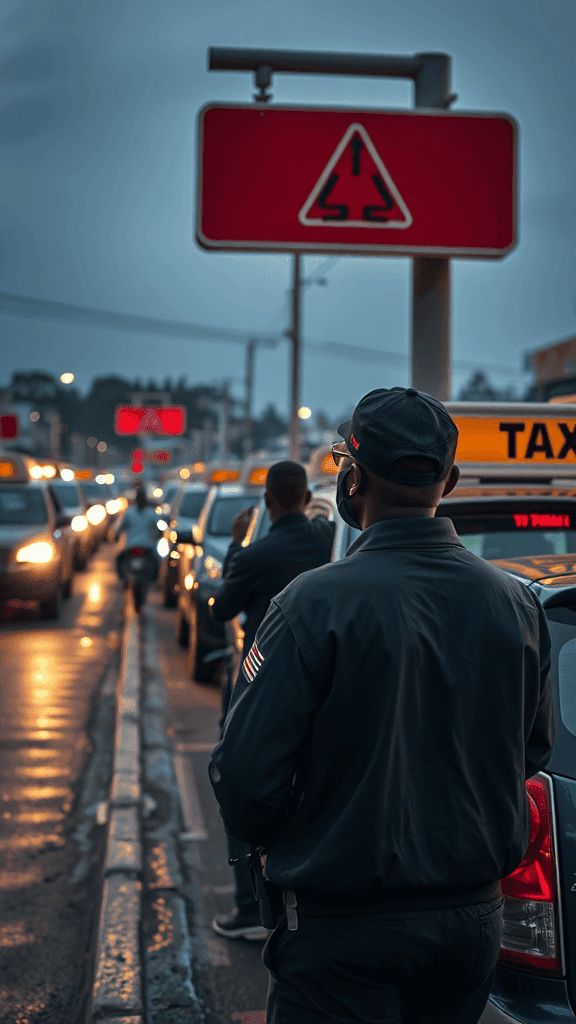
The Role of Surveillance Technologies in Enhancing Kenya Taxi Rank Security
Kenya’s taxi ranks are bustling hubs of transportation, connecting millions of commuters daily. While these areas serve an essential purpose in urban mobility, they also face significant security challenges. To enhance security, leveraging surveillance technologies has become increasingly critical. By integrating advanced systems, taxi ranks can create safer environments for passengers and drivers alike.
Modern surveillance technologies come in various forms, each focusing on different aspects of safety and security. Here are some of the most prominent technologies being implemented in Kenya’s taxi ranks:
- CCTV Cameras: Closed-circuit television (CCTV) systems have proven to be effective deterrents against crime. Installing high-definition cameras across taxi ranks enables real-time monitoring. Security personnel can quickly respond to incidents as they happen, providing a safer atmosphere for everyone.
- Facial Recognition Software: Some taxi ranks are starting to incorporate facial recognition technology. This system can identify individuals in real-time and flag those with outstanding warrants or a history of criminal activity. This can significantly enhance the security call by pinpointing potential threats before they escalate.
- Emergency Call Boxes: Strategically placed emergency call boxes allow passengers and drivers to alert security personnel quickly. Integrating these boxes with monitoring systems can create an immediate response network, ensuring rapid action when emergencies arise.
- Mobile Surveillance Units: Drones and mobile units can patrol larger taxi ranks where fixed cameras may not cover. These systems not only provide broader visual coverage but also enhance flexibility in responding to incidents.
- Access Control Systems: Implementing controlled access points helps manage who enters and exits the taxi ranks. This minimizes the risk of unauthorized individuals entering the area and promotes a controlled transit environment.
The benefits of these technologies extend beyond immediate security concerns. They promote a sense of safety that enhances the overall passenger experience. When commuters know that they are being monitored and protected, they are more likely to use taxi services frequently—this can directly impact the livelihood of drivers and businesses at the ranks.
Moreover, the data collected from these surveillance systems can provide valuable insights. By analyzing patterns of movement, peak hours, and the frequency of incidents, authorities can make informed decisions to improve security measures. Such proactive management leads to a more secure atmosphere, allowing both passengers and drivers to thrive.
In addition to physical surveillance, incorporating mobile applications for security alerts can drastically enhance the safety of taxi rank users. Passengers can report suspicious behavior or incidents directly to authorities through their smartphones. This approach fosters community vigilance, encouraging everyone to participate in maintaining their environment’s safety.
Challenges do exist, however. There are privacy concerns that come with deploying surveillance technologies in public spaces. Striking a balance between maintaining security and respecting individual privacy rights is crucial. Establishing clear guidelines and transparency about how data is collected and utilized can help alleviate these concerns. Open dialogues with the community about the technologies’ implementation and restrictions are vital for gaining public trust.
Training security personnel to operate surveillance equipment effectively is another essential factor. A well-trained team can maximize the potential of these technologies, ensuring that they are used efficiently to prevent and respond to incidents.
Collaborations between government agencies, local authorities, and technology providers also play a significant role in enhancing taxi rank security through surveillance. By sharing resources and insights, they can create comprehensive security strategies that address the unique challenges faced in Kenya.
Ultimately, the role of surveillance technologies in enhancing Kenya’s taxi rank security is undeniable. By investing in state-of-the-art systems, taxi ranks can transform into safer environments that protect both passengers and drivers. As technology continues to evolve, it is crucial that these practices are adapted and adopted to ensure that the security measures remain relevant and effective in managing the dynamic nature of urban transport hubs.
For citizens in Kenya, embracing these advancements can lead to a more secure commuting experience, positively impacting daily life across the nation. As more taxi ranks incorporate these systems, they pave the way for a future where transportation hubs function in a secure, efficient, and trusted environment.
Best Practices for Ensuring Passenger Safety at Transport Hubs in Kenya
When navigating the busy streets and transport hubs in Kenya, passenger safety is paramount. These transport centers, including airports, bus stations, and taxi ranks, serve as the lifeblood for commuters. It is vital to implement best practices that ensure safety for all passengers. Here are some effective strategies to enhance passenger safety at these hubs.
Understanding the Environment
Each transport hub has its unique layout and operating dynamics. Familiarizing yourself with the environment can significantly enhance your safety. Take note of the following:
- Entry and exit points: Always be aware of the fastest routes to exits in case of an emergency.
- Designated waiting areas: Use these areas to avoid congestion and potential hazards.
- Emergency facilities: Identify locations of first aid stations and emergency contact points.
Professional Surveillance and Security Presence
One of the best practices is to ensure a strong security presence and effective surveillance systems. Investing in technology and manpower can aid in crime prevention and swift responses. Here’s how:
- 24/7 CCTV monitoring: Surveillance cameras should be positioned strategically to cover critical areas, offering an extra layer of protection.
- Trained security personnel: Station well-trained security officers throughout the transport hub. Their visibility alone can deter potential criminal activities.
Safety Protocols for Passengers
Passengers need to be proactive about their safety. Here is a list of best practices for individuals using transport hubs in Kenya:
- Stay alert: Keep your belongings close and be aware of your surroundings at all times.
- Travel in groups: Whenever possible, travel with friends or acquaintances. There’s safety in numbers.
- Use reputable transport services: Always opt for recognized and trusted taxi services or public transportation options. Researching user reviews can help.
- Limit distractions: Keep your phone away while walking through busy areas to stay aware of your surroundings.
Collaboration with Local Authorities
Strong partnerships between transport hub operators and local law enforcement agencies can lead to effective safety measures. Regular meetings and updates can help to achieve this goal:
- Safety drills: Conduct regular safety drills involving both security staff and local police to ensure all parties know their roles during crises.
- Community awareness programs: Engage the community in safety workshops to educate passengers on situational awareness and safety practices.
Emergency Response Training
It is crucial for transport hub personnel to be well-prepared to handle emergencies. Training can include:
- First aid and CPR: Equipping staff with medical response skills can save lives in emergencies.
- Evacuation procedures: Staff should know how to efficiently evacuate passengers in case of threats or hazards.
Use of Technology
Implementing new technologies plays a significant role in improving security at transport hubs:
- Mobile safety apps: Encourage passengers to use safety apps that allow them to report suspicious activities or request help.
- Real-time alerts: Provide passengers with real-time updates via SMS or app notifications about any unforeseen events or emergencies.
By integrating these best practices into the operational dynamics of transport hubs in Kenya, both the authorities and passengers can foster a safer and more secure travel environment. Emphasizing the importance of safety will not only benefit individuals but also enhance the overall experience of using public transport. As you navigate these bustling centers, always keep safety at the forefront of your mind.
Conclusion
Ensuring the safety of passengers at taxi ranks is critical for fostering a secure transport environment in Kenya. Surveillance technologies play a pivotal role in this, acting as both deterrents to crime and tools for quick response when incidents occur. The integration of CCTV cameras, drones, and other monitoring systems helps authorities maintain a watchful eye, providing both passengers and drivers with peace of mind.
Moreover, implementing best practices for safety at transport hubs solidifies this security framework. Initiatives such as regular safety drills, visible security personnel, and clear communication channels empower both staff and passengers to act swiftly in emergencies. Creating a culture of awareness, where everyone is vigilant, enhances the collective security within these bustling environments.
By focusing on these strategies, Kenya can significantly improve its taxi rank security, transforming them into safer spaces for all. Both technology and human vigilance must work hand in hand to create a transport system where safety takes precedence. As stakeholders—including government, taxi operators, and communities—collaborate to establish robust security measures, the end goal remains clear: to provide a safe, reliable, and efficient travel experience for every individual. This commitment to safety not only encourages more people to use public transport but also contributes to the overall growth and reputation of Kenya as a welcoming destination.