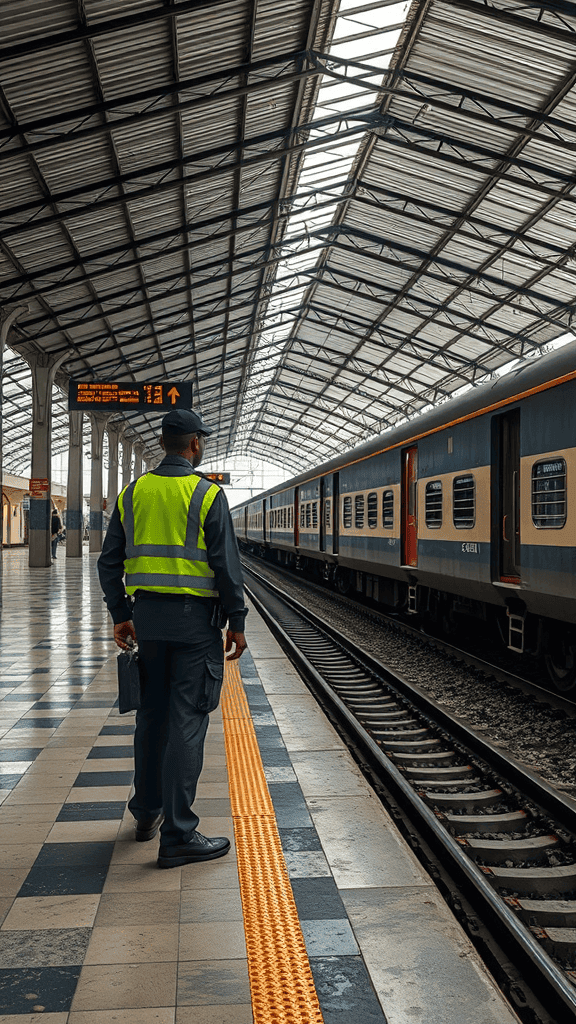
Enhancing Kenya Railway Station Security: Strategies for Effective Train Terminal Protection
In the bustling environment of Kenya’s railway stations, security plays a crucial role in ensuring the safety of passengers and the proper functioning of train services. Given the increasing number of commuters and freight operations, enhancing security measures at train terminals is more important than ever. Implementing effective strategies can help mitigate risks and ensure a safe travel environment for everyone involved.
One effective strategy is the establishment of a robust surveillance system. Investing in modern technology, such as high-definition cameras and motion detectors, allows security personnel to monitor various areas of the train station in real time. This not only deters potential criminal activity but also provides valuable evidence if incidents occur. Moreover, strategically placed cameras can enhance visibility at entrances, platforms, and waiting areas, which helps in identifying suspicious behavior quickly.
Another important aspect of railway station security is access control. Limiting entry points and ensuring that they are monitored can significantly reduce unauthorized access. Deploying security personnel at key entry and exit points ensures that all persons entering the station are screened. Implementing a ticketing system that requires passengers to show valid tickets before entering the platform area further secures the terminals. This not only enhances safety but also promotes accountability among travelers.
Staff training is also vital for effective security management. Regular training sessions for security personnel can help them respond appropriately to various scenarios, including emergencies. Conducting drills, such as evacuation or lockdown procedures, prepares the staff to handle real-life situations proficiently. Teaching staff to recognize suspicious behavior and communicate effectively can also enhance overall security. Engaging employees in discussions about potential improvements to security protocols fosters a culture of continuous improvement.
Collaboration with local law enforcement agencies provides an additional layer of security. Establishing a partnership with police units enables rapid response to incidents and increases community trust in the railway system. Regular joint patrols in and around railway stations create a visible security presence, which in turn deters criminal activities. Furthermore, sharing intelligence and resources can lead to more effective crime prevention strategies.
Public awareness campaigns are another effective means of enhancing security at railway stations. Educating passengers about the importance of personal safety can encourage them to be vigilant. Displaying informational posters and distributing pamphlets that outline safety tips can empower travelers to report suspicious activity. Workshops or safety seminars could further engage the community and create a shared responsibility for a safe travel environment.
Technological advancements can also be leveraged to improve security measures. Introducing mobile applications that allow passengers to report safety issues or potential threats can increase situational awareness. Additionally, incorporating biometric systems for identification can streamline access control while ensuring that only authorized individuals can enter restricted areas. This could significantly enhance security at key points, such as maintenance yards or station offices.
Regular assessments and audits of security measures are essential for identifying vulnerabilities. Conducting periodic evaluations of security infrastructure helps in determining what works and what areas need improvement. Involving independent security experts or consultants to assess current protocols can provide fresh insights and innovative solutions. Organizations can then tailor their strategies based on the latest trends and threats faced within the railway industry.
Involving the community is vital for building trust and enhancing safety. Creating a feedback loop where passengers can express their concerns about security not only empowers travelers but also helps authorities address specific issues that may arise. Community forums and surveys can provide valuable information on public perception and emerging security challenges, which can then be integrated into security policies.
Addressing security concerns in train terminals also means ensuring that the physical environment is conducive to safety. Well-lit areas, clear signage, and uncluttered spaces contribute to a safer atmosphere for commuters. Regular maintenance of facilities should be prioritized to prevent hazards that could compromise passenger safety. Engaging in landscaping can also eliminate potential hiding spots for criminals around the station.
By adopting an all-encompassing approach to security that includes technology, community involvement, training, and strategic partnerships, Kenya’s railway stations can enhance their protective measures significantly. This proactive approach not only safeguards passengers and staff but also promotes the efficient and reliable operation of the railway transport system. As travel continues to evolve, so should the security measures in place, ensuring the highest levels of safety and protection for everyone who journeys through Kenya’s railways.
The Role of Technology in Ensuring Safety at Kenyan Train Terminals
In today’s fast-paced world, the safety of travelers at train terminals is a top priority. Kenyan train terminals, like many others globally, integrate various technologies to enhance security and keep passengers safe. These technologies not only help in protecting the physical infrastructure but also boost the overall travel experience for commuters.
One of the pivotal technologies employed in Kenyan train station security is surveillance systems. High-definition CCTV cameras are strategically placed throughout train terminals to monitor movements. This allows security personnel to keep an eye on passenger activities in real-time. The introduction of AI-powered facial recognition technology improves threat detection by analyzing and identifying individuals who may pose a risk. Such technology ensures quick response times when any suspicious activity is detected, contributing significantly to the safety of travelers.
Another crucial aspect is the deployment of advanced access control systems. These systems restrict entry to specific areas of the terminal to authorized personnel only. Using smart card technology allows for better tracking of who enters and exits sensitive locations. Additionally, biometric scanning methods, like fingerprint and iris recognition, enhance security further by providing unique identifiers for access. As a result, unauthorized personnel are effectively kept out of restricted zones, minimizing potential security threats.
Emergency response systems also play an essential role in ensuring safety at Kenyan train terminals. Integration of technology such as alarm systems and communication networks equipped with instant alert features allows for a rapid response to emergencies. In the event of an incident, such as a fire or medical emergency, passengers and staff can quickly notify authorities, ensuring that appropriate help reaches the scene in the shortest time possible. Moreover, public announcements through digital screens and audio systems provide real-time updates to passengers, informing them of any necessary actions.
Moreover, the implementation of drone technology has emerged as a game-changer for train station security. Drones equipped with high-resolution cameras can patrol the terminal area and its surroundings. They offer a bird’s-eye view, which is particularly useful for monitoring large crowds during peak travel times. Surveillance drones can swiftly direct security personnel toward potential issues, making it easier to manage safety concerns quickly and effectively.
Enhanced cyber security systems are even more critical as technology reliance increases. With digital ticketing and mobile applications for travel planning, protecting passenger data becomes paramount. Robust encryption methods and secure payment gateways are implemented to safeguard sensitive information from cyber threats. Passengers can enjoy a seamless travel experience without worrying about their data being compromised.
In addition, staff training is essential for the successful implementation of technology at Kenyan train terminals. Regular workshops and training sessions ensure that security personnel are familiar with the latest technologies and protocols. They must adapt to the evolving landscape of threats and be proactive in their approach to security. Empowered by technology, trained staff can efficiently respond to incidents, ensuring a safe environment for everyone.
Furthermore, collaborative efforts between government agencies and technology providers enhance the overall security framework of train terminals. These partnerships facilitate knowledge sharing and the introduction of best practices, creating a robust safety network. Regular assessments and upgrades to the installed technologies ensure that Kenyan train terminals remain secure in the face of emerging challenges.
Mobile applications, designed for both passengers and staff, further streamline the process of communicating safety-related information. These apps provide updates on train schedules, potential delays, and any security alerts. By keeping travelers informed, these tools reduce panic during emergencies and promote a calm response from passengers.
The role of technology in ensuring safety at Kenyan train terminals is multifaceted. From real-time surveillance to advanced access controls and emergency response systems, technology plays a vital part. It not only secures physical infrastructure but also fosters a sense of safety among passengers. As Kenya continues to modernize and enhance its railway systems, the integration of technology will remain a cornerstone for protecting travelers and maintaining a secure travel environment.
Conclusion
Enhancing security at Kenya Railway Stations is vital for safety and peace of mind for all travelers. By implementing effective strategies and utilizing advanced technologies, the protection of train terminals can vastly improve. Regular assessments and updates to security plans ensure they remain effective against evolving threats.
The integration of innovative technology plays a significant role in this effort. High-definition surveillance cameras, automated ticketing systems, and biometric scanners can create a robust security framework that deters crime while streamlining the passenger experience. In addition, training personnel to respond effectively to potential security breaches is crucial for immediate action.
Moreover, fostering a community-based approach where passengers feel responsible for their safety can also enhance security. Encouraging travelers to report suspicious activities can provide another layer of protection. Engaging with the community not only raises awareness but also instills a sense of collective responsibility.
As the Kenyan railway network continues to expand and modernize, prioritizing security will ensure that it remains a safe and reliable mode of transportation. Thoughtful policies, combined with state-of-the-art technology and community involvement, can lead to secure train terminals that protect passengers and staff alike. With these measures in place, you can be confident in the knowledge that safety is a top priority, allowing you to focus on your journey ahead.