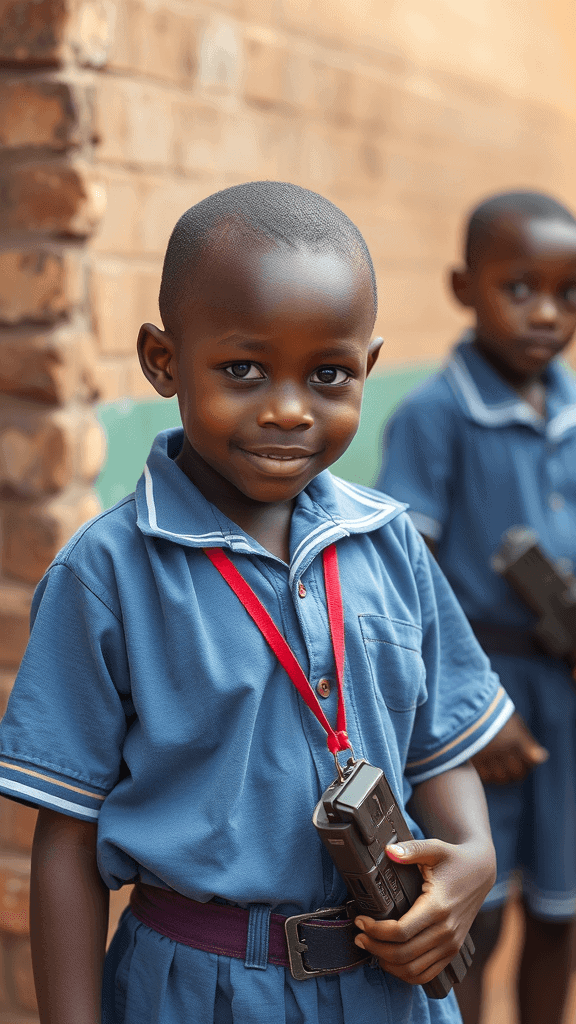
Strategies for Enhancing Kenya Primary School Security in Elementary Education
As the safety of students in Kenya’s primary schools becomes increasingly important, there are several practical strategies to enhance security in elementary education. These strategies not only protect the students but also create a conducive learning environment. Below are key approaches to bolster safety measures in schools.
Collaboration with Local Authorities
Establishing strong partnerships with local law enforcement can significantly improve school security. Here are several ways this collaboration can be effective:
- Regular Security Assessments: Invite local police to conduct security reviews and provide feedback on safety measures.
- Safety Workshops: Organize workshops for teachers and staff to understand best practices in security and emergency response.
- Emergency Response Plans: Develop clear protocols for various potential emergencies, involving local authorities in the planning process.
Community Involvement
Engaging parents and community members in school security plans can promote a sense of shared responsibility. Consider implementing:
- Parent-Teacher Associations: Involve parents in discussions about safety initiatives and security improvements.
- Neighborhood Watch Programs: Encourage community members to monitor activities around the school, creating a supportive neighborhood feel.
- Volunteering: Parents can volunteer to help with supervision during school events or travel to and from school.
Infrastructure Improvements
Investing in physical security upgrades can deter potential threats. Some effective infrastructure improvements include:
- Fencing and Gates: Install appropriate fencing around school perimeters and secure gates to control access.
- Lighting: Ensure that school grounds are well-lit during evening hours to prevent accidents and discourage trespassing.
- Surveillance Cameras: Position cameras at key points around the campus to monitor activities and deter inappropriate behavior.
Training and Awareness Programs
The safety of children often depends on the awareness and training of staff and students. Implementing regular training sessions can greatly enhance security:
- Emergency Drills: Conduct regular fire drills, earthquake drills, and lockdown drills to prepare both students and staff for emergencies.
- Safety Awareness Campaigns: Teach children about personal safety, including how to identify potential threats and the importance of reporting concerns.
- Behavioral Training for Teachers: Train educators to recognize and address bullying and aggressive behavior among students.
Use of Technology
Leveraging technology can streamline security processes and enhance communication in schools. Effective technology strategies include:
- Communication Apps: Use apps for quick communication between school authorities and parents about safety updates or emergencies.
- Visitor Management System: Implement a system to verify the identity of visitors and track who accesses school premises.
- Alert Systems: Establish an alert system that can notify local authorities in case of an emergency.
Creating a Positive School Culture
A nurturing and inclusive school environment can mitigate many safety concerns. Focus on:
- Anti-bullying Programs: Develop programs that teach empathy and respect among students.
- Conflict Resolution Workshops: Equip students with skills to address conflicts peacefully, reducing potential violence.
- Open Communication: Encourage a culture where students feel safe to report concerns without fear of reprisal.
By applying these strategies, Kenya’s primary schools can create a secure environment for learning. Safety is a shared responsibility among teachers, parents, students, and the community. Each stakeholder plays a crucial role in fostering a culture of safety, allowing children to focus on their education while feeling secure and protected.
In a constantly changing world, prioritizing the safety of our children not only benefits their well-being but also turns schools into places where they can thrive academically and socially. Enhanced security measures are essential to ensure that every child receives quality education in a safe environment.
The Role of Parents and Community in Ensuring Safety for Primary School Students in Kenya
In Kenya, ensuring the safety of primary school students is a shared responsibility that involves not just educators but also parents and the broader community. This collaboration is essential to create an environment where children can learn without fear. By taking active roles, both parents and community members can effectively contribute to the overall safety of school environments.
One of the first steps parents can take is staying involved with their children’s education. Regular communication with teachers and school administrators helps parents stay informed about the safety measures in place and any potential risks. By participating in school meetings, parents can raise concerns and suggest improvements in safety protocols. This consistent dialogue builds trust and ensures that everyone is on the same page regarding the well-being of the students.
Community involvement is equally important. Local organizations and leaders can play a pivotal role in promoting safety in primary schools. They can collaborate with schools to provide resources such as training for teachers on handling emergencies and workshops for parents on how to recognize and respond to threats. When the community rallies around schools, it creates a support system that enhances the safety of students.
Here are some ways in which parents and community members can contribute to ensuring the safety of primary school students:
- Volunteer Programs: Parents can engage in volunteer programs that involve monitoring school grounds during drop-off and pick-up times. This visibility can deter potential threats and ensure students are safe as they arrive and leave school.
- Safety Workshops: Organizing workshops focused on safety awareness helps inform parents and students about how to avoid dangerous situations. These can cover topics such as personal safety, cyberbullying, and what to do during emergencies.
- Neighborhood Watch: Forming a neighborhood watch group promotes community safety. When families work together to keep an eye on the neighborhood, it creates a safer environment for children traveling to and from school.
- Effective Communication: Parents and community members should maintain open lines of communication. Sharing any unusual occurrences can help everyone stay vigilant and proactive about potential dangers.
- Support Advocacy: Parents can support local advocacy groups that focus on improving school safety legislation. By being active in local politics, they can help push for necessary changes that enhance security measures in schools.
The emotional well-being of children is also a critical part of safety. Parents have the responsibility to create an open and trusting home environment where children feel free to express their concerns about school safety. When children know they can talk to their parents about their fears and experiences, it fosters resilience and equips them with coping mechanisms. This kind of support streamlines communication and prepares children to handle challenges effectively.
Moreover, community members can facilitate recreational activities that provide children with a safe space to play. By organizing events such as sports days, arts and crafts, or educational fairs, adults offer children constructive outlets that foster friendship and teamwork. These activities not only keep students engaged but also strengthen the bonds within the community, making it collectively responsible for children’s safety.
It’s also essential for parents to work with schools on developing clear policies for dealing with emergencies. This includes knowing evacuation routes, contact information for local authorities, and first-aid protocols. When parents are educated about these procedures, they can better assist their children in case of a crisis.
Active roles played by parents and the community are vital in ensuring a safe environment for primary school students in Kenya. By working together, engaging in open dialogues, and taking preventive measures, they create a nurturing atmosphere where children can focus on learning and personal growth. It’s a partnership that requires commitment and participation, but the safety and well-being of the young learners make it worth every effort.
Conclusion
Ensuring the safety of primary school students in Kenya is a collaborative effort that requires the commitment of various stakeholders, including educators, parents, and the community at large. By implementing effective strategies to enhance security in elementary education, schools can provide a nurturing environment where children feel safe and secure to learn and grow. Empowering teachers with training on emergency response and preventive measures can significantly bolster school safety.
Moreover, the role of parents cannot be understated. When parents are actively involved and communicate regularly with teachers about their children’s welfare, it creates a strong support system. Parents should also encourage their children to be vigilant and report any unusual behavior they notice, thereby fostering a culture of shared responsibility.
Community engagement is equally essential. Local organizations can partner with schools to conduct safety workshops that not only educate families but also build trust within the community. By mobilizing resources, communities can help schools develop safety infrastructure, such as surveillance cameras and secure fencing, while organizing safety drills to keep everyone prepared.
Ultimately, prioritizing Kenya’s primary school security is about creating an environment where children can thrive free from fear. When schools, parents, and communities work hand in hand, they lay the foundation for not only a safe educational experience but also a brighter future for the next generation. A united effort in ensuring elementary education safety is vital, as it empowers children, fosters trust, and builds a resilient society that values the wellbeing of its youth.