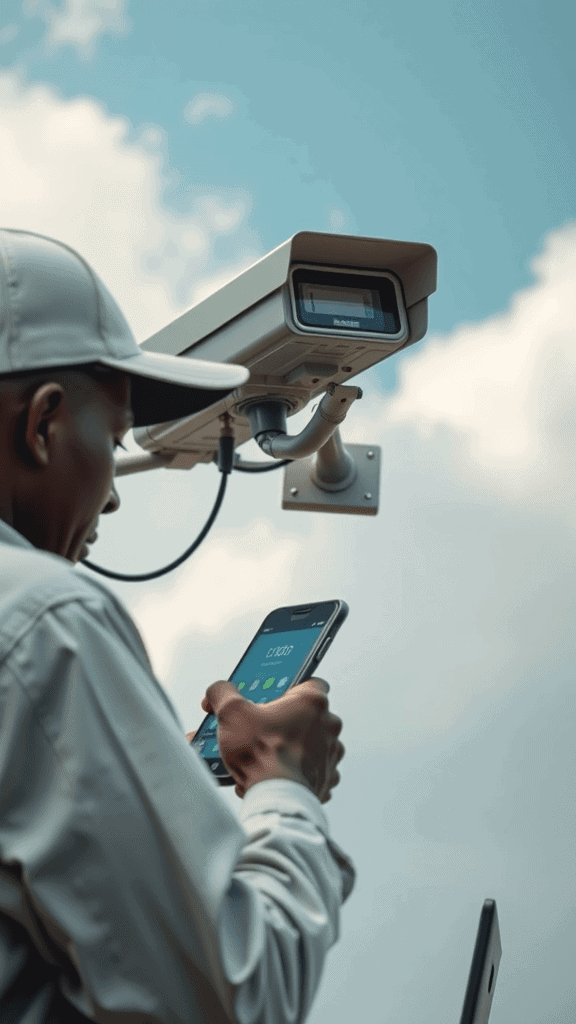
The Role of CCTV in Enhancing Kenya Mobile Money Security
In Kenya, mobile money has transformed the way people conduct financial transactions. With the rapid increase in mobile money usage, ensuring security has become paramount. One innovative solution gaining traction is the use of CCTV systems. These surveillance technologies play an essential role in enhancing mobile money security, ensuring that users feel safe and confident in their transactions.
CCTV systems are an active deterrent against illegal activities. By installing closed-circuit television cameras at shops, kiosks, and other places where mobile transactions occur, criminals are less likely to target these locations. The visible presence of cameras can dissuade potential thieves and givers of fraudulent activities. This proactive measure not only protects businesses but also safeguards customers, leading to a more secure environment for everyone involved.
Moreover, the ability to monitor transactions in real-time provides an additional layer of security. With CCTV footage, authorities can quickly respond to any suspicious activity. This immediate reaction capability can greatly reduce the impact of theft or fraud. The recorded video can also be reviewed later for investigations, helping law enforcement gather evidence when needed. This enhances the trust in the mobile money ecosystem, as users know there are security measures in place protecting their hard-earned money.
Besides real-time surveillance, CCTV systems assist in managing disputes that may arise during mobile money transactions. There are occasions when misunderstandings may occur between buyers and sellers. Having video evidence can help clarify the situation, ensuring a fair resolution. When both parties see the recorded footage, it can significantly reduce the potential for fraud claims and enhance customer satisfaction.
For mobile money providers, incorporating CCTV systems into their security protocols can also yield various benefits:
- Enhanced Customer Trust: Customers feel more secure knowing their transactions are being monitored.
- Better Monitoring: CCTV allows for better oversight of employee activities, helping to prevent internal fraud.
- Data Protection: CCTV footage can help in protecting sensitive customer data by deterring unauthorized access.
- Insurance Benefits: Companies with CCTV systems may enjoy lower insurance premiums due to enhanced security measures.
Another significant aspect of leveraging CCTV in mobile money security is integrating it with other technologies. For example, pairing CCTV systems with facial recognition software can help identify known criminals attempting to commit fraud. When CCTV cameras are equipped with advanced analytical capabilities, they can automatically detect suspicious behaviors and alert security personnel. This integration not only minimizes human error but also accelerates response times.
However, it’s crucial to implement CCTV systems responsibly. Privacy concerns must be taken into account to maintain customer trust. Users should be informed about the presence of cameras, and measures should be in place to ensure that footage is stored securely and accessed only by authorized personnel. Providing transparency will further enhance the relationship between mobile money businesses and their users.
As the landscape of mobile banking continues to evolve, keeping up with security measures is essential. CCTV systems are just one piece of the puzzle. Validating the effectiveness of these systems through regular audits and updates will ensure they adapt to changing crime patterns. Additionally, educating users about personal security measures and best practices for mobile money can empower individuals to protect themselves.
CCTV technology serves as a crucial tool in enhancing mobile money security in Kenya. The combination of proactive deterrence, real-time monitoring, and dispute resolution capability ensures a safer transaction environment. By investing in robust security measures, mobile money providers can foster greater trust among customers and support the ongoing growth of this vital financial service in Kenya.
Ultimately, the integration of CCTV in mobile money security underscores a commitment to creating a secure and reliable financial future for all users. As technology continues to evolve, the focus should always remain on innovative solutions that prioritize user safety and satisfaction in the dynamic world of mobile finance.
Best Practices for Protecting Mobile Money Transactions in Kenya
Mobile money has transformed the financial landscape in Kenya, providing millions with access to essential services. With the rise in popularity, ensuring the security of mobile money transactions is more important than ever. Here are some best practices to help keep your mobile money transactions safe.
Password Protection and Authentication
Your mobile money account is only as safe as your password. Here are key actions you can take to enhance your account security:
- Use Strong Passwords: Choose a password that combines letters, numbers, and special characters. Avoid easily guessed passwords like birthdays or sequential numbers.
- Enable Two-Factor Authentication: When available, always activate two-factor authentication. This adds another layer of security by requiring a second verification step.
- Regularly Update Your Password: Change your password every few months to minimize the risk of unauthorized access.
Secure Your Device
Your mobile device is the gateway to your money. Protect it with these tips:
- Install Security Software: Use antivirus and anti-malware software to guard against intrusive software that could compromise your data.
- Update Your Operating System: Regular updates ensure your device has the latest security patches, protecting it from vulnerabilities.
- Lock Your Screen: Always use a passcode, face recognition, or fingerprint lock to prevent unauthorized access when your device is unattended.
Be Cautious with Public Wi-Fi
Using public Wi-Fi can be risky, especially for mobile money transactions. Here’s how to stay safe:
- Avoid Public Networks: Whenever possible, avoid conducting transactions over public Wi-Fi. Use mobile data instead.
- Use a VPN: A Virtual Private Network encrypts your internet connection, adding an extra layer of security when using unsecured networks.
Monitor Your Transactions
Keeping a close eye on your transactions can help catch suspicious activity early. Consider these practices:
- Review Your Statements Regularly: Check your transaction history frequently for any unfamiliar charges.
- Set Alerts: Enable notifications for transactions, so you are immediately informed of any activity.
- Report Suspicious Behavior: If you notice unauthorized transactions, report them to your mobile money provider right away.
Stay Educated About Scams
Awareness of common scams can help you avoid falling victim. Here are some prevalent scams to be cautious of:
- Phishing Scams: Be wary of links or messages asking for your personal information.
- Impersonation Scams: Do not trust unknown callers claiming to be from your mobile money provider. Always verify their identity through official channels.
- Unexpected Offers: Be skeptical of offers that seem too good to be true. If it sounds unbelievable, it probably is.
Use Trusted Apps and Services
When using mobile money services, choose reputable applications:
- Stick to Well-Known Providers: Opt for established mobile money providers that have a reputation for security and good customer service.
- Read Reviews: Before downloading an app, check user reviews and ratings to ensure it’s credible and safe to use.
Educate Your Family and Friends
Mobile money security is a collective effort. Share these tips with those around you to help create a safer experience for everyone.
Protecting your mobile money transactions in Kenya involves a combination of strong passwords, secure devices, careful monitoring, and heightened awareness of potential scams. By following these best practices, you can significantly reduce the risk of fraud and unauthorized access. Stay informed and prioritize the security of your financial activities, ensuring that your mobile money experience remains safe and enjoyable.
Conclusion
The integration of CCTV technology into Kenya’s mobile money landscape represents a crucial step toward enhancing security. By monitoring transactions and providing real-time oversight, CCTV systems help deter potential fraud and ensure a safer experience for users. The presence of cameras acts as a psychological barrier against malfeasance, fostering an environment where legitimate transactions thrive.
Moreover, understanding and implementing best practices significantly boosts the security of mobile money transactions. Simple actions such as using strong passwords, enabling two-factor authentication, and regularly updating your app can shield against unauthorized access. Educating users about common scams and phishing tactics further empowers consumers to protect their financial information vigilantly.
As Kenya continues to strengthen its mobile money ecosystem, collaboration between service providers, regulatory bodies, and consumers is essential. This collective effort not only improves the safety of mobile transactions but also builds trust in these financial innovations. When consumers feel secure in their financial activities, they are more likely to embrace mobile money services, which ultimately contributes to broader financial inclusion.
By harnessing the power of CCTV and adhering to best practices, Kenyans can enjoy the convenience of mobile money without compromising their financial security. Every individual is a vital part of this effort, responsible for their security while also advocating for stronger measures from service providers. Together, we can ensure a resilient mobile money environment where every transaction is safer, reinforcing the foundation of Kenya’s growing digital economy.