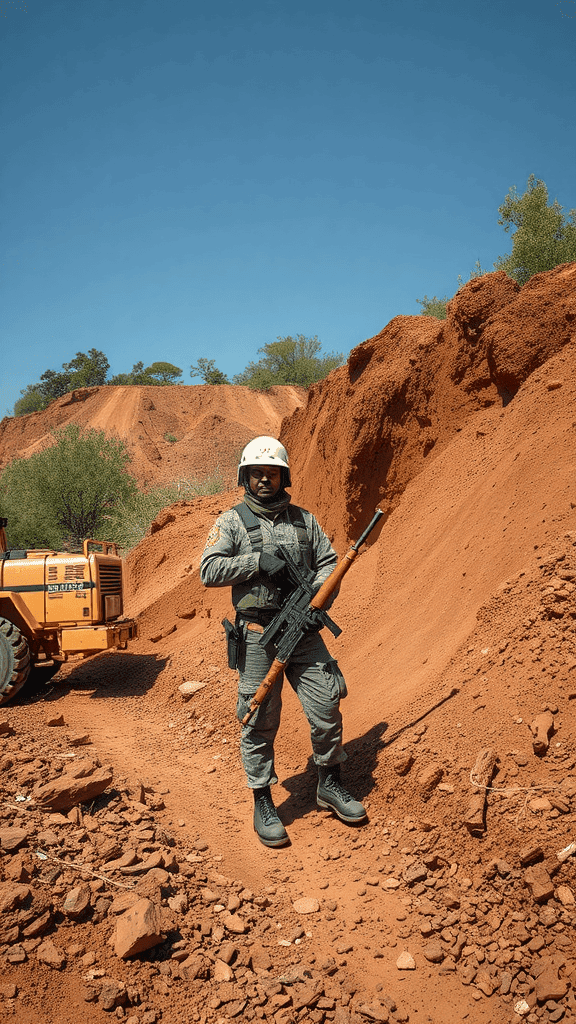
The Importance of Mining Security in Kenya’s Extraction Industry
The extraction industry in Kenya is vital for the country’s economy, and its security should not be overlooked. With the growing demand for minerals like gold, copper, and other resources, ensuring mining security has become a critical concern for companies and stakeholders alike. The safety of personnel, the protection of assets, and the minimization of disruptions are essential for fostering a stable and productive mining environment in Kenya.
One major aspect of mining security is the prevention of illegal mining activities. Illegal miners can pose a significant threat to legitimate operations, impacting profitability and governance. These individuals often exploit land without permission, leading to unsafe working conditions and environmental destruction. By enhancing security measures, companies can limit unauthorized access to mining sites and ensure that only licensed operators are allowed to conduct operations.
Additionally, implementing security measures can help protect the investment made in mining infrastructure. The extraction industry requires substantial capital for equipment, technology, and facilities. Investing in a robust security system can safeguard these assets and prevent costly losses due to theft and vandalism. Effective solutions, such as surveillance systems, trained security personnel, and access control tools, enable companies to keep their sites secure.
Employee safety is another critical consideration in mining security. Workers in the extraction industry face numerous risks, including accidents and threats from criminal groups. Providing a safe working environment not only helps to protect employees but also boosts morale and productivity. Companies should invest in security training programs, create emergency response protocols, and establish clear communication channels to ensure that all employees can voice concerns or report incidents without fear.
Moreover, community relations play a significant role in mining security. Engaging with local communities is essential for building trust and fostering cooperation. When companies actively involve the community in discussions about mining activities and their benefits, they create a supportive environment that discourages illegal mining and other criminal activities. This collaboration can enhance security and help companies secure social licenses to operate, which are increasingly important in today’s responsible mining landscape.
Here’s a quick overview of key components that contribute to effective mining security in Kenya’s extraction industry:
- Access Control: Limiting entry to authorized personnel can reduce risks associated with unauthorized mining activities.
- Surveillance Systems: The installation of cameras and monitoring technology helps in detecting suspicious activities before they escalate.
- Trained Security Personnel: Hiring skilled security staff ensures that there is a proper response to threats and emergencies.
- Emergency Response Plans: Creating clear protocols for emergencies can mitigate risks to personnel and operations.
- Community Engagement: Building relationships with local communities fosters cooperation and reduces the likelihood of conflicts.
Furthermore, as technology continues to evolve, so too do the solutions available for protecting mining operations. Technologies such as drones for aerial surveillance and geographic information systems (GIS) can provide real-time data that enhances security measures. Companies can monitor their operations from a distance, making necessary adjustments to maintain a secure environment.
It is also essential for mining companies in Kenya to stay compliant with local laws and regulations. Understanding the legal framework surrounding mining and security is crucial for ensuring smooth operations. This compliance not only reinforces the legitimacy of their operations but also builds credibility with stakeholders.
In a broader scope, the significance of mining security transcends individual companies, impacting Kenya’s economic growth and development. A strengthened security framework promotes investor confidence and can attract foreign investment in the extraction industry. Investors appreciate stable operations with minimal disruptions, which are made possible through effective security measures. As the industry grows, so does the demand for transparency and ethical practices. Thus, implementing robust security strategies aligns with global standards and expectations.
The importance of mining security in Kenya’s extraction industry cannot be overstated. By addressing the numerous facets of security— from access control and employee safety to community relations—companies can build a resilient mining environment that encourages sustainable growth and profitability. Engaging stakeholders and embracing technological advancements also play a critical role in securing operations for the future. The benefits of enhanced mining security undoubtedly extend beyond mere protection; they contribute fundamentally to the overall success and stability of Kenya’s extraction industry.
Strategies for Enhancing Protection in the Kenyan Mining Sector
The Kenyan mining sector plays a crucial role in the country’s economy, contributing to job creation and revenue generation. However, with the growing need for security in mineral extraction, it is vital to adopt effective strategies for safeguarding mining operations. By implementing a robust security framework, stakeholders can protect assets while ensuring the safety of workers. Here are some effective measures for enhancing protection in the Kenyan mining sector.
1. Risk Assessment and Management
Understanding the specific risks associated with mining operations is the first step in creating a secure environment. Conducting thorough risk assessments helps identify potential vulnerabilities. This includes analyzing threats from local communities, theft, and environmental hazards. Regular updates to these assessments ensure that strategies evolve in response to changing circumstances.
2. Community Engagement
Building strong relationships with local communities is essential. When communities feel involved and informed about mining activities, their support can significantly enhance security. Companies should consider the following approaches:
- Regular town hall meetings to discuss mining impacts.
- Offering job opportunities and training for local residents.
- Implementing community development programs that address local needs.
Engagement fosters trust, reducing the likelihood of conflict and sabotage.
3. Advanced Technology Implementation
Technology can elevate security measures within the mining sector. tools such as drones for surveillance can monitor activities over large areas. Additionally, utilizing GPS tracking for machinery can help prevent theft. The implementation of biometric access control for restricted areas ensures only authorized personnel can enter sensitive zones.
4. Security Training for Personnel
Investing in regular security training for all employees emphasizes the importance of safety and vigilance. Workers should be educated on detecting suspicious activities and emergency protocols. The training should also include:
- Standard operating procedures for security incidents.
- First aid and evacuation drills.
- Awareness of local customs and issues that may affect security.
A well-informed workforce can act as an initial line of defense against potential security threats.
5. Collaboration with Law Enforcement
Establishing a synergistic relationship with local law enforcement agencies can provide additional support for mining security. Collaborating on regular patrols around mining sites can deter criminal activities. Furthermore, having open channels of communication for reporting incidents can lead to quicker responses and resolutions.
6. Enhanced Access Control Measures
Controlling access to mining sites is crucial. Implementing thorough screening processes ensures that only authorized personnel can enter. This can include:
- Installation of barriers and checkpoints.
- Use of identification badges that need to be displayed at all times.
- Mobile patrols to monitor the perimeter of mining operations.
Access control prevents unauthorized intrusion and helps maintain a secure environment.
7. Sustainable Practices
Employing sustainable mining practices not only protects the environment but also promotes a positive public image. This fosters community support, reducing hostility towards mining operations. Adopting eco-friendly techniques and minimal disruption of local habitats can mitigate the risk of protests and security challenges related to environmental concerns.
8. Emergency Response Preparedness
In the face of inevitable emergencies, having a well-structured response plan is essential. This includes developing evacuation plans, conducting regular drills, and ensuring all employees know their roles during a crisis. An effective emergency response can significantly decrease the impact of any disruption, protecting both workers and assets.
Securing the Kenyan mining sector requires a multi-faceted approach that addresses both internal and external threats. By evaluating risks, engaging communities, leveraging technology, training personnel, collaborating with law enforcement, implementing access controls, promoting sustainability, and preparing for emergencies, mining companies can create a resilient framework that not only protects their operations but also reinforces their commitment to responsible mining practices in Kenya. Focusing on these strategies not just enhances security but also nurtures trust and stability within the mining ecosystem.
Conclusion
The security of Kenya’s mining sector is not just a matter of protecting assets; it significantly impacts the overall economic stability and growth of the region. With the mining industry being a crucial driver of the country’s economy, ensuring its security is paramount. Effective mining security measures help protect not only valuable resources but also the workforce, infrastructure, and communities surrounding mining operations.
Implementing robust strategies, such as investing in technology and enhancing collaboration between mining companies and local law enforcement, can help mitigate risks. Training programs focused on safety and security awareness further empower workers, creating a culture of vigilance. Moreover, engaging with local communities fosters trust and secures vital support, which is essential for problem-solving challenges faced in the field.
By prioritizing security, Kenya’s extraction industry can attract more foreign investment, leading to technological innovations and sustainable practices that benefit the entire nation. The ripple effects of these strategies help cultivate a safe working environment, increase productivity, and minimize the potential for disruptions caused by conflicts or theft.
As the mining sector continues to evolve, embracing a comprehensive approach to security will ensure that it remains resilient in the face of emerging threats. This proactive stance not only enhances operational continuity but also aligns with global standards of responsible mining practices. Through intentional efforts in securing the industry, Kenya has the potential to reinforce its position as a key player in the global mining landscape, benefiting both the economy and its people.