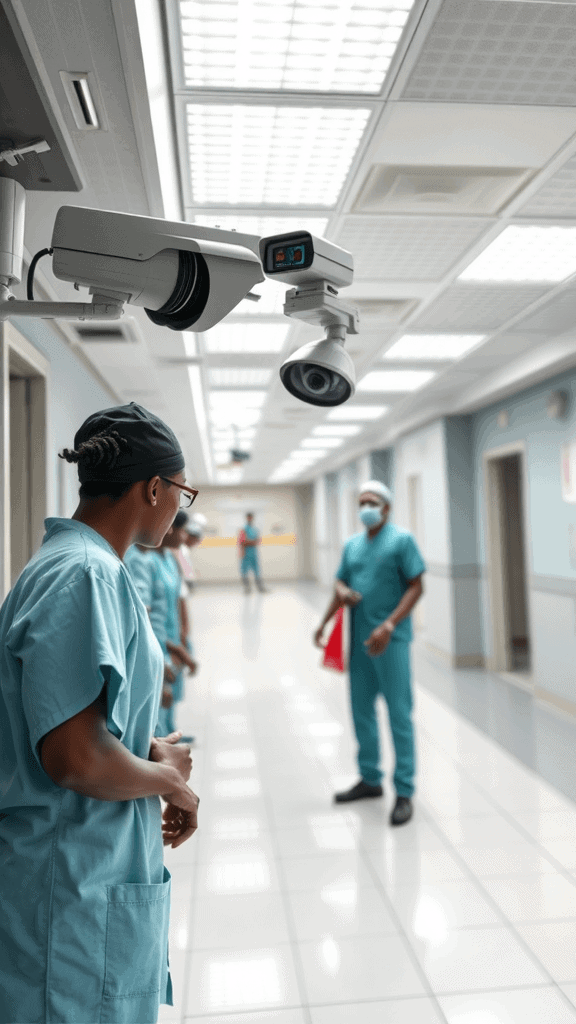
The Impact of CCTV on Safety at Kenya Medical Colleges
In recent years, the integration of CCTV technology at Kenya Medical Colleges has significantly changed the landscape of campus security. As healthcare education institutions grow, so do the concerns regarding safety and security for both students and staff members. With the rising number of incidents around the globe, the proactive adoption of these surveillance systems plays a crucial role in ensuring a secure learning environment.
CCTV cameras help to monitor various areas within medical colleges, from lecture halls to dormitories. They provide multiple benefits that enhance safety and ensure that students can focus on their studies without fear. Here are some critical impacts of CCTV systems on the safety of medical colleges in Kenya:
- Deterrent Against Crime: The presence of CCTV cameras serves as a powerful deterrent against potential criminal activities. When individuals know they are being watched, they are less likely to engage in theft, vandalism, or other undesirable behaviors.
- Real-Time Monitoring: CCTV systems allow campus security teams to monitor live feeds from various locations. This capability enables rapid response to any suspicious activity, ensuring that authorities can act before situations escalate.
- Evidence Collection: Footage from CCTV cameras can serve as invaluable evidence in the event of a crime. This documentation aids in investigations and may help in arresting the perpetrators, thereby reinforcing the sense of safety within the campus.
- Emergency Response: In case of emergencies, such as medical incidents or campus disturbances, CCTV provides a quick overview of the situation. Security staff can assess the circumstances and coordinate an appropriate response effectively.
- Improved Accountability: With the installation of CCTV cameras, both staff and students tend to exhibit more responsible behavior. Knowing that their actions are being recorded encourages individuals to adhere to college regulations and ethical standards.
Furthermore, medical colleges benefit from the integration of modern technology in various areas of healthcare education beyond safety concerns. The use of video surveillance helps in administrative planning, ensuring that resources are allocated appropriately. For instance, security teams can analyze peak hours for foot traffic and optimize their patrol schedules accordingly.
The safety provided by CCTV systems also fosters a conducive learning environment. Students are more likely to fully engage in their studies when they feel safe on campus. As a result, they can focus on honing their skills as future healthcare professionals, contributing positively to the healthcare system in Kenya.
However, implementing a CCTV system is not without challenges. Privacy concerns remain a significant issue; students and staff may worry about being monitored constantly. It’s essential for medical colleges to address these concerns openly and establish clear policies on the use of surveillance footage. Transparency in how recordings will be utilized can build trust within the college community.
Another consideration is the cost involved in installing and maintaining CCTV systems. Although the initial investment may seem daunting, many argue that the long-term benefits significantly outweigh these costs. Enhanced safety can lead to increased enrollment, as prospective students are likely to choose a college that prioritizes security.
The impact of CCTV on safety at Kenya Medical Colleges is profound. By deterring crime, enabling real-time monitoring, and collecting valuable evidence, these systems not only protect students and staff but also contribute to a better learning environment. As technology continues to evolve, the integration of CCTV in educational institutions represents a step forward in prioritizing safety and enhancing the learning experience.
As education continues to evolve in this digital age, medical colleges must keep pace with innovative security solutions. In doing so, they can further reinforce their commitment to providing a safe and secure atmosphere for all. The investment in CCTV systems reflects a vital step towards fostering a nurturing educational environment where future medical professionals can thrive.
Enhancing Healthcare Education through Advanced Security Measures
In today’s fast-paced world, the integration of advanced security measures into educational environments, particularly in healthcare settings, is essential. This is especially true for institutions like Kenya Medical College, where students train to become the next generation of healthcare professionals. As medical training intertwines with technology and safety, the implementation of systems like CCTV plays a critical role in enhancing the security framework of educational spaces.
Advanced security measures, including CCTV, not only provide physical safety but also contribute to a more effective learning environment. Here are some key benefits of such measures:
- Deterring crime: The presence of CCTV cameras serves as a powerful deterrent against theft, vandalism, or any form of misconduct. Knowing that there is surveillance can discourage potential wrongdoers from misbehaving within the campus.
- Monitoring access: Implementing access control systems alongside CCTV helps in ensuring that only authorized individuals can enter sensitive areas of the college. This prevents unauthorized access to laboratories and private medical facilities, enhancing the overall security.
- Providing evidence: In the event of an incident, CCTV footage offers concrete evidence that can be crucial for investigations. This not only aids in resolving disputes but also holds individuals accountable for their actions.
- Enhancing emergency response: Real-time monitoring allows security personnel to respond swiftly to any suspicious activity or emergencies. This quick response can be life-saving, especially in a healthcare education setting where immediate action may be necessary.
- Creating a sense of safety: Security measures instill a sense of safety among students, faculty, and visitors. When people feel secure in their environment, they are more likely to focus on learning and collaborating, which leads to better educational outcomes.
Moreover, incorporating advanced security technologies can facilitate a conducive learning atmosphere. For example, integrating biometric authentication systems ensures that students and staff can access particular areas without the hassle of conventional keys. This not only makes the campus more secure but also more efficient. Facilities such as laboratories, libraries, and examination rooms can be protected while allowing easy accessibility to those who need it.
The advancing world of healthcare education also requires the protection of sensitive information. With the shift towards digital records, cybersecurity must align with physical security. By using surveillance systems coupled with data protection measures, institutions can secure both the physical and digital realms of healthcare education.
Regular training for staff is also essential in this framework. Educators, security personnel, and all staff members should be well-versed in the protocols for handling emergencies or misbehavior within the premises. This ensures a united and efficient front in maintaining security. Providing training sessions that cover emergency response procedures, how to monitor CCTV footage effectively, and how to apply newfound technologies can significantly enhance a college’s security posture.
Additionally, engaging students in security initiatives can foster a collaborative environment. Involving them in discussions or creating student-led security committees can help implement policies that resonate with their needs and perspectives. When students feel included, they are more likely to be vigilant and report suspicious activities, further enhancing campus safety.
As healthcare education evolves, it becomes increasingly crucial for institutions like Kenya Medical College to adopt intelligent security solutions. These measures not only protect individuals but also contribute to a robust educational framework. By investing in advanced technologies and fostering an awareness-driven campus culture, colleges can ensure that education thrives in a secure environment.
To summarize, integrating robust security measures, particularly CCTV and related technologies, significantly augments the safety and effectiveness of healthcare education. As students prepare to enter the ever-evolving medical field, it is imperative that they are educated within a secure and supportive environment. Leveraging these security measures ensures that the focus remains on learning and personal growth while safeguarding the community as a whole.
Conclusion
The implementation of CCTV systems in Kenya Medical Colleges has brought about significant improvements in safety and security for both students and staff. By providing real-time monitoring and creating a sense of safety within the campus environment, these systems contribute not only to the physical well-being of individuals but also enhance the overall educational experience. When students and educators feel safe, they can focus more on their studies and interactions, fostering a more productive learning atmosphere.
Moreover, integrating advanced security measures into healthcare education aligns with the growing need for effective risk management in educational institutions. This commitment to safety serves as a model for other colleges and universities, illustrating that healthcare education can thrive in secure environments. The presence of CCTV, paired with well-trained security personnel, reinforces a culture of accountability and awareness, serving as a deterrent to potential wrongdoing.
Beyond just surveillance, these innovations in security technology enable a smoother flow of communication regarding safety issues. They allow for immediate responses to incidents that could disrupt learning, thereby ensuring that educational objectives are met without external hindrances.
As the landscape of education evolves, so does the need for robust security solutions. Embracing these advanced measures not only protects individuals but also uplifts the quality of healthcare education in Kenya. Ultimately, a secure campus is instrumental in cultivating the next generation of healthcare professionals who will serve their communities with the utmost competence and confidence. As advancements continue, it will be important for Kenya Medical Colleges to remain at the forefront of security and technology, ensuring a safe educational environment for all.