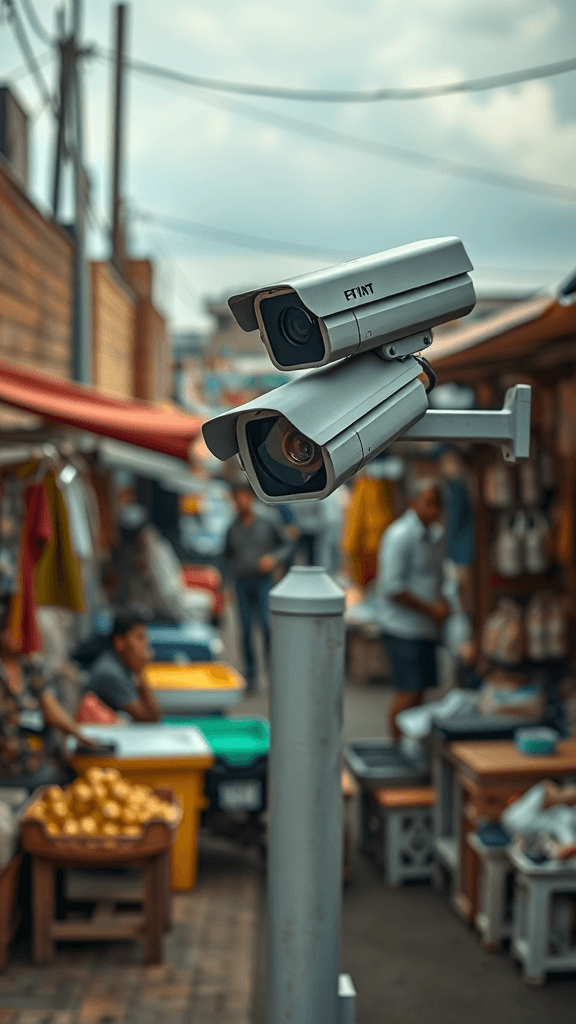
The Role of CCTV in Enhancing Security in Kenya’s Commercial Trading Areas
In today’s world, security has become a top priority, especially in commercial trading areas in Kenya. With the rise in business activities and increasing foot traffic, ensuring a safe environment for customers and employees is crucial. One of the most effective solutions to achieve this is through the use of CCTV systems. These video surveillance technologies play a vital role in protecting businesses and enhancing security measures.
CCTV systems provide a watchful eye over commercial trading areas, deterring criminal activities such as theft, vandalism, and other illicit acts. When potential criminals notice CCTV cameras, the risk of getting caught often outweighs the potential reward. This psychological deterrent can significantly reduce incidents of crime in busy marketplaces and shopping centers.
Moreover, CCTV systems facilitate quick responses to emergencies. In case of a security breach or disturbance, live footage can be accessed instantly by security personnel. This enables them to respond effectively, ensuring the safety of everyone in the vicinity. Businesses can work hand-in-hand with local law enforcement agencies, providing them with video evidence that can be crucial in investigations.
Here are key benefits of implementing CCTV in commercial trading areas:
- 24/7 Surveillance: CCTV cameras can monitor areas continuously, offering round-the-clock security that manual patrols can’t ensure. This continuous coverage helps in identifying suspicious activities as they occur.
- Evidence Collection: In events of theft or disputes, recorded footage serves as solid evidence for law enforcement or insurance claims.
- Enhanced Employee Safety: A secure work environment promotes employee safety. Knowing that they are monitored can boost staff confidence and productivity.
- Operational Efficiency: CCTV can help manage workflows in commercial trading areas by monitoring customer flow and staff activities, improving overall operational efficiency.
- Insurance Benefits: Businesses equipped with CCTV systems may receive lower insurance premiums due to reduced risk, providing a financial benefit alongside enhanced security.
The installation of CCTV cameras in popular markets, malls, and trading centers throughout Kenya has been a growing trend. Many business owners are now embracing the importance of these systems to protect their assets and ensure customer safety. With technology advancing everyday, modern CCTV systems now come with features such as remote access, night vision, and motion detection, making them more effective than ever.
While the advantages are clear, it is essential to implement these systems thoughtfully. Privacy laws and regulations are vital considerations to ensure that the rights of individuals are respected. It’s crucial for businesses to inform customers about the existence of CCTV cameras, maintaining transparency and building trust.
In addition to legal considerations, businesses should assess optimal placement for their CCTV cameras. High-risk areas, entrances, and check-out counters should be prioritized to maximize the effectiveness of surveillance. A proper installation helps capture footage that is essential for identifying individuals and situations accurately.
Besides crime deterrence, CCTV systems provide an added layer of management insight. Business owners can monitor customer behavior to identify popular products and peak shopping hours. This data-driven approach allows for better stock management and targeted marketing strategies.
As commercial areas in Kenya look to the future, integrating advanced security technology is imperative. The role of CCTV systems is not just to safeguard property but also to create a secure shopping environment that fosters customer loyalty and peace of mind.
The implementation of CCTV systems in Kenya’s commercial trading sectors is more than just a reactive security measure; it is a proactive step towards creating safer business environments. By investing in these technologies, business owners not only protect their assets but also provide a sense of security that is invaluable in today’s fast-paced market.
Best Practices for Implementing Effective Surveillance Systems in Markets
In today’s bustling commercial environments, surveillance systems play a critical role in ensuring safety and security. Implementing effective surveillance systems in markets helps protect both vendors and customers. Here are some best practices to consider:
Understand Your Surveillance Needs
Before investing in surveillance equipment, it’s essential to assess the specific needs of your market. Ask yourself the following questions:
- What are the main security concerns in the area?
- What types of incidents are most likely to occur?
- How large is the area that requires coverage?
Understanding these factors can guide you in choosing the right surveillance solutions tailored to your market’s unique requirements.
Choose the Right Equipment
Selecting the proper surveillance equipment is crucial for effective monitoring. Consider high-definition cameras that perform well in various lighting conditions. Outdoor cameras should be weather-resistant and equipped with night vision capabilities. Furthermore, consider the following:
- IP vs. Analog Cameras: IP cameras generally offer higher resolution and remote access options.
- Patzolat: Use cameras with pan-tilt-zoom (PTZ) features to cover larger areas.
Invest in quality equipment that meets industry standards to ensure longevity and reliability.
Strategic Camera Placement
The positioning of your cameras is vital for effective surveillance. Cover key areas such as:
- Entrance and exit points
- Cash registers or payment areas
- High-traffic spaces
- Parking lots
Try to avoid placing cameras in zones where visibility may be obstructed. This can lead to blind spots that criminals can exploit.
Utilize Remote Monitoring
Implementing a system that allows for remote monitoring can significantly enhance security. This enables management to keep an eye on activities in real time, providing immediate alerts for any suspicious behavior. Options include:
- Mobile apps that offer live feeds
- Cloud storage solutions for easy access to recorded footage
Remote monitoring ensures that security personnel can respond quickly to any incidents, enhancing overall safety.
Incorporate a Comprehensive Security Plan
Surveillance systems should be part of a larger security strategy. Develop a detailed plan that includes:
- Regular maintenance of equipment
- Training for staff on surveillance useEmergency response protocols
- Policies for reviewing and storing footage
By creating a holistic security plan, your market will benefit from well-coordinated efforts to maintain safety.
Engage With Local Law Enforcement
Establishing a relationship with local law enforcement can enhance security measures. Collaborate on safety initiatives and share surveillance footage when necessary. This partnership can:
- Increase quick response times to incidents
- Foster trust within the community
A strong partnership with law enforcement serves as a deterrent to potential criminal activity.
Regularly Evaluate System Effectiveness
Periodically assess the effectiveness of your surveillance system. Track incidents and evaluate how well current measures address security challenges. Consider these actions:
- Conduct regular check-ups on equipment
- Solicit vendor and customer feedback for areas of improvement
- Make necessary adjustments to camera placement or technology
Continuous evaluation will empower you to adapt and enhance your security measures as needed.
By following these best practices for implementing an effective surveillance system in markets, you can create a safer environment for both customers and vendors. Prioritize security and be proactive in safeguarding your space to ensure success and peace of mind.
Conclusion
The integration of CCTV technology plays a pivotal role in enhancing security within Kenya’s commercial trading areas. With the increasing value of market assets and the rising need for consumer safety, surveillance systems have become essential tools for businesses. Not only do they deter criminal activities, but they also provide critical evidence when incidents occur, fostering a sense of security among traders and customers alike.
Implementing an effective surveillance system requires careful planning and adherence to best practices. Positioning cameras strategically to cover blind spots, utilizing high-resolution equipment, and ensuring proper maintenance are crucial steps toward a comprehensive security strategy. Additionally, training personnel on how to monitor feeds and respond to alerts can significantly improve the overall effectiveness of these systems.
It’s important to foster a culture of safety within the trading area. Engaging local authorities, encouraging community watch schemes, and making sure everyone understands the benefits of CCTV can enhance its effectiveness. Involving the local community in security measures cultivates a sense of ownership and responsibility for safety, which can lead to more secure and thriving market environments.
Investing in commercial trading area CCTV not only safeguards businesses but also boosts public confidence, promoting economic growth and prosperity. As Kenya continues to evolve, embracing advanced security solutions will be vital in creating safer spaces for commerce, ultimately benefiting everyone involved in the market ecosystem.