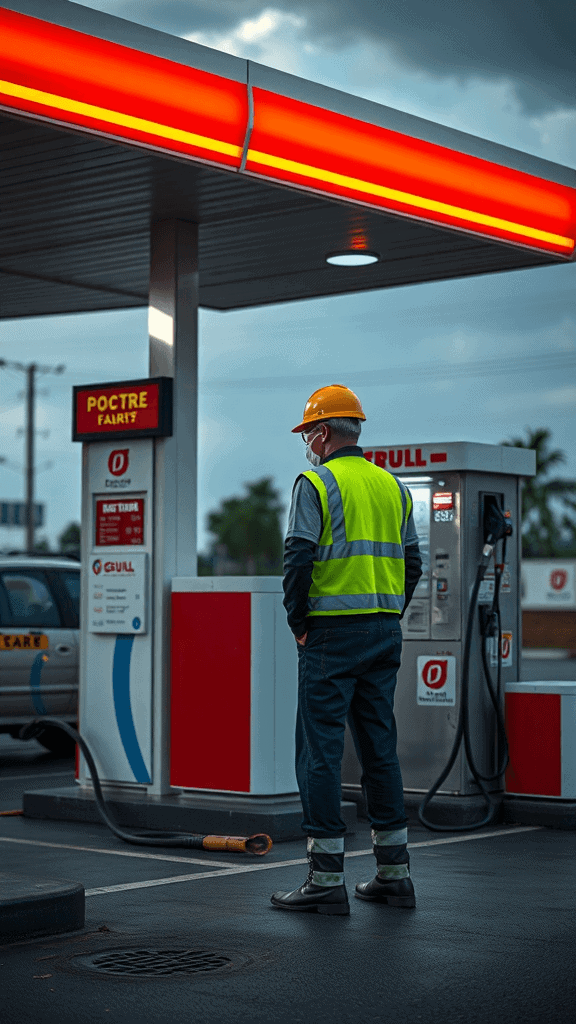
The Importance of Kenya Gas Station Security in Preventing Theft and Vandalism
Gas stations in Kenya serve as crucial hubs for fuel distribution, but they face unique security challenges. Preventing theft and vandalism at these stations is essential not only for protecting financial investments but also for ensuring the safety of staff and customers. Addressing gas station security is not just about installing locks and cameras; it involves a comprehensive strategy that incorporates technology, training, and community awareness.
Understanding the Security Risks
Kenya’s gas stations are often targets for theft and vandalism due to their accessible locations and the valuable products they store. Some common security risks include:
- Fuel Theft: Fuel siphoning and drive-off without payment are rampant issues.
- Vandalism: Property damage, graffiti, and tampering with equipment can lead to significant repair costs.
- Robberies: Both cash and fuel are attractive targets for criminals.
Implementing Effective Security Measures
To enhance security at gas stations in Kenya, a multi-layered approach is necessary. Here are some effective strategies:
- Surveillance Systems: Installing high-quality CCTV cameras deters criminal activity and provides evidence if a crime occurs. Position cameras at entry points, fuel pumps, and cash registers for maximum coverage.
- Lighting: Ensure that the entire station is well-lit, particularly during night hours. Good lighting discourages criminal activities and makes customers feel safer.
- Alarm Systems: An alarm system that alerts authorities instantly in case of a break-in can be a lifesaver. These systems can also include panic buttons for employees.
- Employee Training: Staff should receive training on security protocols and how to respond to theft or vandalism. Engaging employees in security measures fosters a safer environment.
The Role of Community Engagement
A strong relationship with the local community is vital in enhancing gas station security. Encouraging locals to report suspicious activities can lead to faster responses to potential threats. Here are some community-related strategies:
- Neighborhood Watch Programs: Collaborating with local community watch groups can create a united front against crime.
- Involvement in Local Events: Participating in community events helps gas station owners build trust and awareness within the community.
Utilizing Technology in Security
Modern technology presents new opportunities for gas station security improvements. Here are some advancements that can help:
- Mobile Apps: Some gas stations utilize mobile apps for real-time monitoring. These apps can manage security equipment and send alerts about suspicious activities directly to the owner’s phone.
- Smart Sensor Technology: Smart sensors can detect motion and even unusual noise levels, prompting immediate investigation.
The Benefits of Good Security Practices
Investing in gas station security offers numerous benefits beyond merely reducing theft and vandalism:
- Financial Protection: Reduces losses associated with theft and vandalism, ultimately protecting profits.
- Employee Safety: Creates a safer working environment, which can lead to higher employee satisfaction and retention.
- Customer Trust: A secure gas station fosters trust among customers, encouraging loyalty and repeat business.
Ultimately, enhancing security at gas stations in Kenya is about being proactive. By implementing comprehensive security strategies, engaging with staff and the community, and leveraging technological advancements, gas station owners can effectively minimize theft and vandalism risks. Security should be seen as an ongoing effort, requiring regular assessment and adaptation to meet emerging threats. Investing in robust security measures will not only protect assets but also ensure a safe environment for employees and customers alike.
Best Practices for Fuel Retail Protection at Gas Stations in Kenya
Gas stations in Kenya play a crucial role in the fuel retail sector, providing essential services to motorists. However, the risks associated with fuel retail – from theft to vandalism – necessitate a robust security strategy. Understanding best practices for fuel retail protection can help gas station owners safeguard their investments and provide a safe environment for customers.
Understanding Security Risks
Before implementing security measures, it’s important to identify the specific risks that gas stations face. These risks can include theft of fuel, cash, and materials, as well as vandalism and violence. By understanding these threats, you can tailor your security approach effectively.
Implementing Physical Security Measures
One of the most effective ways to enhance fuel retail protection is through physical security measures. Here are some practices to consider:
- Surveillance Cameras: Install high-resolution CCTV cameras around the premises. These cameras can deter criminal activity and provide evidence if incidents occur.
- Lighting: Ensure that the gas station is well-lit, especially at night. Adequate lighting can discourage potential criminals from targeting your site.
- Security Fencing: Erect strong fencing around the perimeter to keep unauthorized individuals out. A secure perimeter helps control who enters your property.
- Access Control: Limit access to certain areas, such as fuel storage tanks and cash registers. Use keycards or biometric systems to restrict entry.
Staff Training and Awareness
Your employees are often the first line of defense in ensuring security. Proper training can empower them to identify and respond to threats effectively. Consider the following:
- Regular Security Drills: Conduct drills to prepare staff for various scenarios, including theft or emergencies. These drills will help employees act calmly and efficiently in real situations.
- Awareness Campaigns: Educate staff to be vigilant and aware of their surroundings. Encourage them to report any suspicious activity at once.
- Customer Interaction: Train employees on how to engage with customers positively, which can deter potential criminals from acting out.
Technology and Monitoring Systems
In addition to physical measures, adopting technology can significantly enhance security. Here are key technological upgrades:
- Alarm Systems: An advanced alarm system can alert you and law enforcement to break-ins or suspicious activities before significant damage occurs.
- Remote Monitoring: Implement systems that allow remote access to security feeds and alarm systems. This way, you can keep an eye on your property at all times.
- POS Security: Use secure point-of-sale systems that reduce the risk of cash theft. These systems should notify staff if they detect irregular transactions.
Establishing Strong Partnerships
Building relationships with local law enforcement and security firms can enhance your gas station’s safety. Here are some ways to strengthen these partnerships:
- Regular Communication: Keep an open line of communication with local police. Regular meetings can help address specific concerns and ensure they are familiar with your location.
- Neighborhood Watch: Join or form a neighborhood watch with nearby businesses. This collective effort can provide added security and vigilance across the community.
- Security Contracts: Consider hiring private security contractors who can provide on-site protection during peak hours or at night.
Insurance and Risk Management
A comprehensive insurance plan can protect your assets in case of theft, damage, or liability claims. Regularly review your insurance policies to ensure adequate coverage. Additionally, conduct risk assessments to identify vulnerabilities and evaluate the effectiveness of your security measures.
By implementing these best practices for fuel retail protection, gas station owners in Kenya can enhance security, protect their assets, and provide a safer environment for customers. A proactive approach not only minimizes risks but also fosters customer loyalty and employees’ confidence in the safety of their workplace.
Conclusion
Ensuring robust security at gas stations in Kenya is vital for both protecting assets and providing a safer environment for customers and employees. With the rising cases of theft and vandalism, gas station owners must prioritize implementing effective security measures to deter criminal activity. Investing in surveillance systems, hiring trained security personnel, and adopting advanced alarm systems can significantly mitigate risks.
Best practices for fuel retail protection also play a crucial role in safeguarding operations. These include conducting regular security audits, training staff on emergency protocols, and creating a clear communication plan in case of incidents. Engaging with local law enforcement and community groups can also enhance the safety measures around the gas station, fostering collaboration to address any issues that may arise.
By combining advanced technology with community engagement and staff training, gas stations can create a comprehensive security strategy that protects their properties while building trust with customers. Remember, a secure gas station not only safeguards fuel and equipment but also enhances customer loyalty and business reputation.
Prioritizing security measures in the fuel retail sector not only enhances profitability but also contributes significantly to a safer environment for everyone involved. With the challenges posed by potential threats, adopting a proactive approach to gas station security in Kenya is essential for long-term success. Emphasizing these measures will lead to a safer experience for all, ensuring that both business owners and customers can thrive without fear.