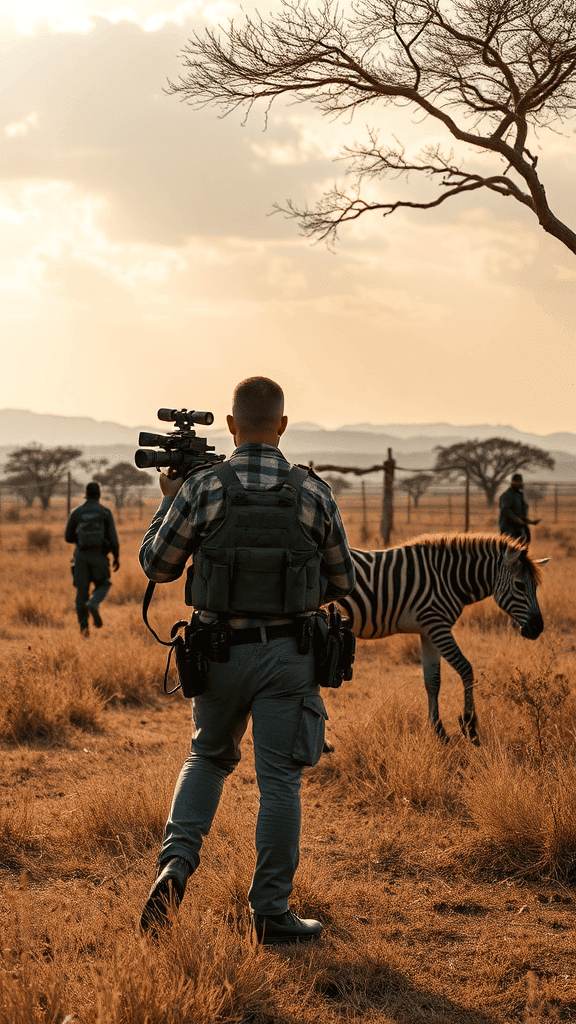
Enhancing Kenya Game Reserve Security through Advanced Safari Area Surveillance Technologies
Ensuring the safety of wildlife and visitors in Kenya’s game reserves is crucial for both conservation and tourism. Advanced surveillance technologies have emerged as vital tools for enhancing security in these rich ecosystems. As poaching and illegal activities threaten wildlife, effective monitoring solutions can help to combat these issues, safeguarding nature and fostering tourism.
One of the most impactful innovations in safari area surveillance is the use of drone technology. Drones provide a bird’s eye view of expansive areas that are difficult to patrol on foot or vehicle. With high-resolution cameras equipped to capture real-time footage, rangers can monitor wildlife movements and immediately identify any suspicious activity. This technology not only enhances the ability to track poachers but also assists in observing animal behavior, behavior that can prove crucial when studying migration patterns.
Another essential technology is remote camera traps. These devices can be strategically placed throughout the reserves to capture images or videos of wildlife, while also providing evidence of illegal activities. The footage obtained can be crucial for law enforcement as it can document poaching incidents and gather data on biodiversity. Additionally, these cameras can be equipped with infrared capabilities, allowing them to capture images in low light, significantly increasing surveillance effectiveness.
Satellite technology is another game-changer for surveillance in Kenya’s game reserves. Satellites can track land use changes and monitor human encroachment on wildlife habitats. With advanced mapping applications, conservationists can assess which areas are at risk and allocate resources to where they are needed most. This immediate awareness helps in planning effective responses and improving patrol routes, ensuring that rangers can swiftly address any threats.
The integration of software solutions that analyze data from various surveillance sources further enhances security measures. Using big data analytics, organizations can identify patterns of illegal activity over time, allowing for proactive intervention. Predictive analytics can help park authorities to deploy patrol teams in areas identified as hotspots for poaching activities based on historical data.
An effective communication system among rangers and management is also paramount. Technologies such as mobile apps facilitate instant messaging and updates about suspicious activities. Having a dedicated communication platform ensures that all team members are aware of potential threats in real-time, making response efforts more efficient.
Communities surrounding the game reserves play an essential role in enhancing security. Engaging local residents through training and education can form a network of informants who can alert authorities about illegal activities. Community participation not only empowers locals but also provides a sense of ownership in conservation efforts. Programs that reward locals for providing information about poaching activities can create a direct incentive to protect their wildlife.
With continuous advancements in technology, the possibilities for enhancing safari area surveillance are always evolving. Artificial Intelligence (AI) solutions can revolutionize how reserves manage wildlife security. AI can analyze camera trap images and data much faster than humans, instantly alerting authorities when a potential threat is detected.
Ecosystem health monitoring is another critical aspect of security. Sensors can be placed throughout the reserve to gather data on environmental conditions. This information can help determine if wildlife is under stress due to human interventions, climate change, or other factors. Understanding these environmental cues allows for action to be taken before issues escalate into more significant problems.
Collaboration with technology firms can enhance these efforts. By partnering with tech companies that specialize in wildlife conservation technologies, reserves can access the latest tools and expertise. This collaboration encourages innovation and brings additional resources to strengthen surveillance capabilities.
Enhancing Kenya’s game reserve security through advanced surveillance technologies is vital for protecting wildlife and promoting sustainable tourism. By utilizing a combination of drones, camera traps, satellite monitoring, and community engagement, the resilience of game reserves can significantly improve. As these technologies continue to innovate, they provide hope for a future where wildlife conservation becomes increasingly effective and sustainable.
The Role of Local Communities in Supporting Wildlife Protection within Game Reserves
Local communities play a vital role in supporting wildlife protection within game reserves. Their involvement helps ensure that both wildlife and local cultures thrive. By engaging the communities, conservationists can foster a sense of ownership and responsibility toward the environment. Here, we explore various ways local communities contribute to wildlife protection in game reserves.
One of the key ways communities support wildlife conservation is through sustainable livelihood programs. These initiatives allow people to benefit economically from biodiversity without harming it. Programs might include:
- Eco-tourism: Locals can provide guided tours in game reserves. This creates jobs and generates income while educating visitors about wildlife.
- Cultural exchanges: Communities can share their traditions and histories, enhancing visitor experiences and promoting cultural preservation.
- Crafts and products: Selling handmade items can provide additional income and promote the value of local craftsmanship.
The involvement of local communities also leads to better enforcement of conservation laws. When communities are aware of the benefits that come from protecting wildlife, they are more likely to report illegal activities. Local people often serve as the eyes and ears of the reserves, spotting poachers or illegal loggers. Their first-hand knowledge of the land makes them invaluable partners in conservation efforts.
Engaging local communities also brings a cultural perspective to wildlife management. Traditional knowledge about animals, plants, and the ecosystem can complement modern scientific approaches. Elders in the community often possess ancient wisdom that can guide conservationists in creating more effective management strategies. Passing down this knowledge helps preserve biodiversity while respecting cultural values.
Education is another essential component of community involvement in wildlife protection. Local schools can incorporate conservation topics into their curriculum, teaching children about the importance of protecting nature. When young people learn about wildlife conservation early on, they grow into adults who value and support these initiatives. Workshops and seminars led by conservation experts can further enhance community knowledge and skills related to wildlife management.
Furthermore, community-based wildlife surveillance programs empower locals to monitor wildlife movements and behaviors. This not only helps in data collection but also raises awareness about the ecological importance of different species. Local participants are more likely to care for the animals they observe regularly, leading to a stronger commitment to wildlife welfare.
Collaborative efforts between NGOs, government agencies, and local communities can lead to more effective conservation projects. By jointly developing programs, all parties can combine resources and knowledge. Programs that include local voices in the decision-making process tend to be more successful because they align with the community’s needs and values. Here’s how such collaborations can be structured:
- Regular meetings: Holding frequent discussions can keep everyone informed and engaged.
- Joint campaigns: Creating campaigns that promote wildlife protection can build a sense of community solidarity.
- Resource sharing: Conservation tools and knowledge should be shared among all parties involved.
Another significant benefit of involving local communities is the impact on human-wildlife conflict resolution. When wildlife encroaches on agricultural areas, it can lead to tensions between animals and locals. By involving communities in the planning process, solutions can be tailored to mitigate conflicts. For example:
- Building protective barriers: Fencing or natural barriers can keep wildlife away from farms.
- Compensation schemes: Providing financial assistance for losses can reduce animosity towards wildlife.
The emotional connection that local communities have with their environment is a tremendous asset in conservation efforts. Many people view local animals as part of their heritage and identity. This emotional bond can foster a community-wide commitment to protecting wildlife. By sharing stories and experiences related to wildlife, community members can motivate each other to take action.
The partnership between local communities and conservation efforts is crucial for wildlife protection within game reserves. By empowering locals through education, sustainable practices, and involvement in decision-making, we can create a holistic approach that benefits both nature and human populations. This synergy promotes a healthier ecosystem and a vibrant culture, ensuring that both wildlife and communities thrive for generations to come.
Conclusion
The protection of Kenya’s rich wildlife heritage hinges on a collaborative approach that integrates cutting-edge surveillance technologies with the active participation of local communities. Advanced surveillance systems, such as drones and infrared cameras, play a pivotal role in enhancing game reserve security. These technologies not only bolster monitoring efforts to deter poaching but also provide valuable data on wildlife movements, helping to maintain the delicate balance of the ecosystem.
However, technology alone cannot safeguard these natural treasures. The role of local communities is equally crucial in fostering a sustainable environment for wildlife. Their intimate knowledge of the land, coupled with a vested interest in preserving their natural resources, positions them as vital allies in wildlife protection. By engaging local populations in conservation efforts—through education, economic opportunities, and community-based tourism programs—game reserves can cultivate a sense of stewardship that empowers individuals to take an active role in safeguarding their heritage.
Together, advanced surveillance and community involvement create a robust framework for wildlife protection in Kenya. This dual approach not only enhances security but also ensures that local communities reap the benefits of conservation through eco-friendly practices. Ultimately, the synergy between technology and local engagement paves the way for a promising future, where both wildlife and people thrive in harmony. By investing in these efforts, Kenya can protect its incredible wildlife while offering visitors a safe and unforgettable safari experience.