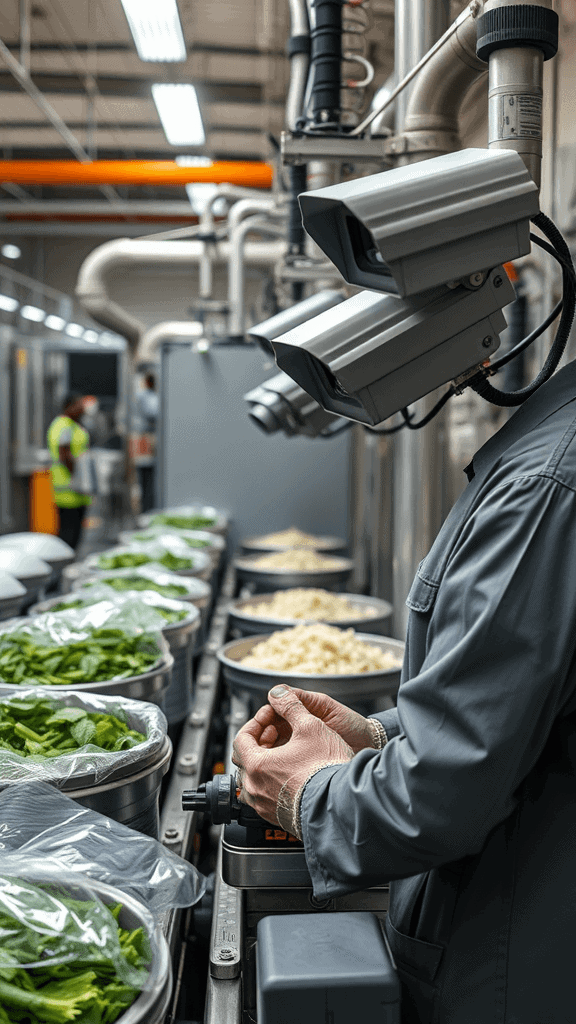
Enhancing Kenya’s Food Processing Security Through Cannery Plant CCTV Systems
Kenya’s food processing sector plays a crucial role in ensuring food security across the nation. As the demand for safe, quality food increases, the industry faces various challenges. One of the prominent ways to enhance Kenya’s food processing security is through the implementation of Cannery Plant CCTV systems. By integrating these surveillance technologies, canneries can monitor operations more effectively, boost safety protocols, and protect their assets. Let’s explore how these systems contribute to a more secure food processing environment.
Understanding Cannery Plant CCTV Systems
CCTV, or Closed-Circuit Television, is widely used in industries for real-time monitoring and surveillance. In the context of canneries, installing CCTV systems helps address several operational concerns:
- Employee Safety: CCTVs improve workplace safety by monitoring areas prone to accidents.
- Quality Control: By observing production processes, companies can ensure adherence to quality standards.
- Theft Prevention: Visible cameras deter theft and vandalism, safeguarding valuable resources.
- Crisis Management: In the event of a malfunction, recorded footage can help identify the cause and improve response strategies.
The Importance of Security in Food Processing
Food processing security is vital for several reasons:
- Consumer Trust: Shoppers expect products to be safe and of high quality. Ensuring this builds trust.
- Regulatory Compliance: Canneries must adhere to strict health and safety regulations. Regular surveillance aids in monitoring compliance.
- Operational Continuity: Security threats can disrupt operations. Addressing them timely keeps production running smoothly.
Enhancing Operational Efficiency with CCTV
In the quest for operational excellence, cannery plants can leverage CCTV systems for improved efficiency. Here’s how:
- Process Monitoring: CCTV allows for real-time observation of production lines. Managers can swiftly detect and address any inefficiencies.
- Employee Performance: By reviewing footage, management can identify areas for training and development for workers.
- Inventory Management: Monitoring raw materials and finished goods helps track inventory levels, reducing waste.
Integrating Technology for Better Security
The integration of modern technology with CCTV systems can further bolster security in canneries. This includes:
- Remote Monitoring: Advanced CCTV systems allow monitoring from anywhere through smartphones or computers, ensuring constant oversight.
- AI and Analytics: Artificial Intelligence can analyze footage to detect unusual activity or trends that require attention.
- Access Control: Integrating access control mechanisms with CCTV limits entry to sensitive areas, enhancing security further.
Cost-Effectiveness of CCTV Investment
Investing in CCTV systems may appear daunting initially, but the long-term benefits outweigh the costs. Consider the following:
- Reduction in Losses: Preventing theft and losses through constant surveillance translates to cost savings.
- Insurance Benefits: Some insurance providers offer premium reductions for facilities with effective surveillance systems.
- Increased Productivity: Improved monitoring leads to streamlined operations and reduced down-time.
A Collaborative Approach to Food Security
Enhancing food processing security in Kenya is a collective effort involving various stakeholders. Government bodies, private sector participants, and local communities must collaborate to foster innovation in the food industry. By embracing the use of Cannery Plant CCTV systems, all parties can help create a more secure food environment that benefits both producers and consumers.
As Kenya strives to improve its food processing sector, the emphasis on security through technology like CCTV cannot be overstated. Ensuring a safe, efficient, and reliable food supply chain is essential for the country’s prosperity. Therefore, investing in advanced surveillance technologies is not just beneficial; it becomes critical in building a secure and sustainable future for Kenya’s food processing landscape.
The Role of Technology in Improving Food Safety and Efficiency in Kenya’s Cannery Operations
Technological advancements play a crucial role in enhancing food safety and operational efficiency in Kenya’s cannery sector. As the demand for processed food continues to grow, it becomes essential for canneries to adopt innovative technologies that ensure high-quality products and safe production environments. This transformation is particularly visible in several key areas.
Enhanced Food Safety through Real-Time Monitoring
One of the primary ways technology improves food safety in cannery operations is through real-time monitoring systems. These systems utilize sensors to constantly track various parameters such as temperature, humidity, and the presence of contaminants. By maintaining optimal processing conditions, canneries can prevent spoilage and contamination, ensuring the safety of food products for consumers.
Automated Quality Control
With the integration of automated quality control processes, canneries can achieve consistent product quality. Technologies like AI and machine learning analyze data collected throughout the production process. This allows for quick identification of defects or deviations from standards. As a result, any issues can be addressed immediately, reducing waste and improving efficiency.
Traceability Systems
Traceability is an essential component of food safety. Advanced tracking technologies, such as RFID (Radio Frequency Identification) and blockchain, provide detailed records of the entire supply chain. These systems enable canneries to trace products back to their source, making it easier to respond to food safety incidents. If a contamination issue arises, having accurate traceability information allows for quick and efficient recalls.
Energy Efficiency and Waste Reduction
In addition to enhancing food safety, technology plays a significant role in increasing operational efficiency and reducing waste. For example:
- Energy Management Systems: These systems monitor energy consumption across the production line, helping canneries to identify areas where energy usage can be reduced.
- Smart Water Management: Technologies that monitor water usage can help canneries lower their consumption, reducing costs and environmental impact.
- Predictive Maintenance: Advanced analytics can predict equipment failures before they occur, minimizing downtime and maintaining consistent operations.
Implementing these technologies not only improves the bottom line but also supports sustainable practices that benefit the environment.
Employee Training and Safety
Training employees on new technologies is crucial for maximizing their benefits. By using interactive learning tools and simulation software, canneries can effectively train staff on safety protocols and equipment operation. This leads to a safer workplace and enhances the overall efficiency of the production process. Furthermore, a well-trained workforce contributes to maintaining food safety standards more effectively.
Remote Monitoring and Management
The advent of IoT (Internet of Things) has enabled remote monitoring of cannery operations. Managers can now oversee production processes from different locations through mobile applications and dashboards. This flexibility ensures that any arising issues can be addressed promptly, regardless of where the manager is located. It enhances decision-making and responsiveness, further contributing to food safety and efficiency.
Integrated Supply Chain Management
Technology fosters better communication among all stakeholders in the supply chain. Integrated platforms allow canneries to collaborate with suppliers and distributors more effectively. This coordination ensures that raw materials meet safety standards and that final products are delivered on time. Such collaboration reduces delays and optimizes inventory management, ultimately improving service to consumers.
As the food processing industry in Kenya continues to evolve, the role of technology cannot be overstated. From improving food safety to increasing operational efficiency, adopting these advancements will be vital for canneries looking to thrive in today’s market. By leveraging technology, companies can not only ensure the safety of their products but also cater to the ever-growing consumer demand for quality and safety. As we look to the future, it is clear that the successful canneries will be those that embrace these technological innovations.
Conclusion
As Kenya continues to advance its food processing capabilities, the adoption of cannery plant CCTV systems plays a crucial role in establishing a safer and more efficient food supply chain. These monitoring technologies not only enhance food safety standards but also serve as vital tools for quality control throughout the production process. By implementing real-time surveillance, cannery operations can quickly identify and respond to any potential issues, ensuring that high-quality products reach consumers while minimizing waste.
Moreover, the integration of modern technology within Kenya’s food processing sector fosters greater transparency. This transparency builds trust among consumers, assuring them that the food they purchase meets stringent health and safety regulations. As foodborne illnesses remain a concern globally, the importance of preventive measures, such as good surveillance systems, cannot be overstated.
Enhancing food processing security through innovative technology like CCTV helps Kenyan canneries improve their efficiency significantly. Streamlined operations lead to higher productivity, which can ultimately bolster the country’s economy. By investing in reliable surveillance systems, the food industry can not only safeguard its reputation but also thrive in a competitive market.
The future of food processing in Kenya looks promising, thanks to the integration of advanced technologies within the cannery sector. By prioritizing food safety and operational efficiency, the industry paves the way for a healthier and more secure food environment for generations to come. Embracing these technological advancements can transform Kenya into a leading hub for food processing in Africa, positioning the country as a model for others to follow.