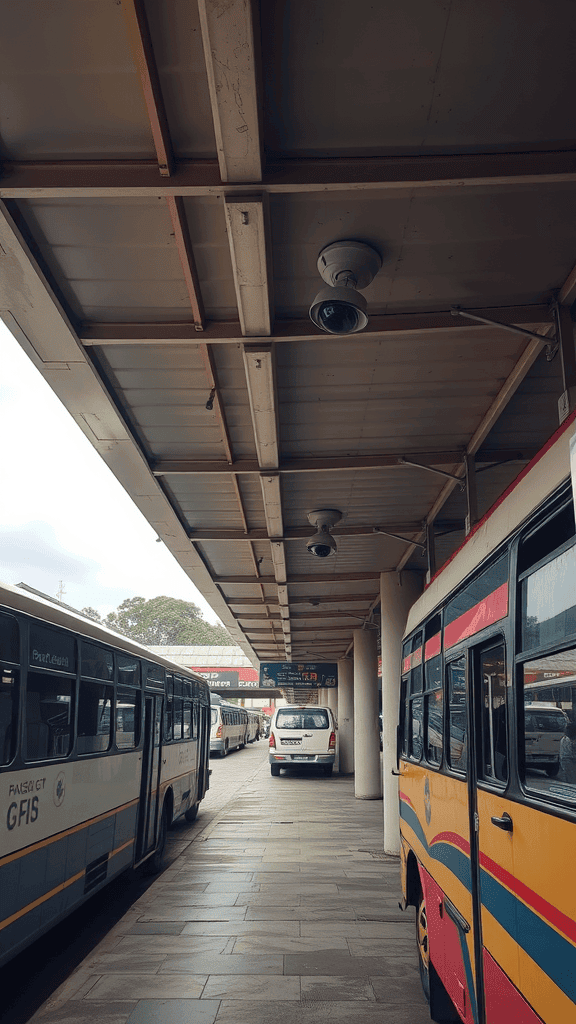
Enhancing Safety in Kenya Bus Stations: The Role of CCTV Surveillance
In Kenya, bus stations are bustling hubs that connect various regions, making them essential for public transport. However, with increased foot traffic, safety concerns have also risen. One effective way to enhance safety in these busy areas is through the installation of CCTV surveillance systems. These systems play a vital role in keeping both passengers and property secure.
One of the key benefits of CCTV surveillance in bus stations is its ability to monitor real-time activities. By installing cameras at strategic locations, security personnel can observe behaviors and movements throughout the station. This not only helps in identifying any suspicious activities immediately but also acts as a deterrent for potential offenders. When people know they are being watched, they are less likely to engage in criminal activities.
Another significant advantage of CCTV in Kenya’s bus stations is the collection of evidence. In case of a crime, having recorded footage allows authorities to investigate incidents more effectively. This can be crucial in situations involving theft, vandalism, or even assaults. With clear visual evidence, law enforcement can swiftly identify suspects and take appropriate action.
Moreover, CCTV cameras enhance overall situational awareness. By monitoring various areas, security teams can quickly respond to emergencies. For example, if a fight breaks out or someone collapses, guards can see the incident as it happens and react promptly. This fast response can save lives and prevent minor incidents from escalating into something more serious.
Effective communication between CCTV systems and bus station staff is also essential. With better coordination, security personnel can be informed of any incidents in real-time, ensuring quick action. This creates an environment where both passengers and staff feel safe, fostering community trust and encouraging more people to use public transport.
While CCTV surveillance offers numerous benefits, it is essential to implement it thoughtfully. Here are several key factors to consider for achieving the best results:
- Strategic Camera Placement: Install cameras at entrances, exits, waiting areas, and ticket counters to maximize coverage.
- High-Quality Cameras: Use high-definition cameras that provide clear images, even in low-light conditions.
- Regular Maintenance: Ensure that cameras are regularly cleaned and maintained to function effectively.
- Data Privacy: Communicate to the public how their data is protected and ensure they understand the reason for surveillance.
Furthermore, the integration of CCTV with other security measures can enhance safety even more. For instance, combining CCTV footage with alarm systems can notify security personnel of any breaches or unusual activities. This layered approach creates a more secure environment in and around bus stations.
Passenger awareness is another critical aspect. Informing travelers about the existence of CCTV can help them feel safer as they comprehend that their movements are monitored. Public announcements or signage indicating CCTV presence can reinforce this sentiment, making people more vigilant and focused on their surroundings.
Not only do CCTV systems help in ensuring safety, but they can also improve the overall experience at bus stations. Well-monitored environments encourage passengers to use public transport with confidence. This can lead to increased ridership and a more robust public transport system in the long run.
Additionally, as technology progresses, more advanced security measures are being incorporated. Innovations like facial recognition systems can further enhance the effectiveness of CCTV surveillance. Although they come with added privacy concerns, when applied responsibly, these technologies can significantly bolster security.
The growing adoption of CCTV surveillance in Kenya’s bus stations represents a commitment to traveler safety and security. The strategic use of these systems can transform how public transport hubs function, encouraging a safe, secure, and enjoyable travel experience for all travelers.
Therefore, while CCTV surveillance systems are not a standalone solution, they are an essential piece of the puzzle. By embracing this technology and considering all aspects of its implementation, safety in Kenyan bus stations can be substantially improved, thus enhancing public trust and the overall efficiency of the public transport system.
The Impact of Public Transport Hub Security on Commuter Confidence in Kenya
Public transport hubs are vital in Kenya, connecting countless people daily. With increasing urbanization and population growth, the need for reliable and safe transport has become paramount. However, security concerns at bus stations can deter commuters, impacting their willingness to use public transport. Ensuring security through measures like CCTV installations plays a significant role in fostering commuter confidence.
In recent years, the introduction of CCTV systems in Kenya’s bus stations has transformed the security landscape. These surveillance cameras serve multiple purposes, aiding in crime deterrence, monitoring activities, and providing crucial evidence when necessary. This visual monitoring impacts how commuters perceive safety in these environments and can significantly influence their travel choices.
Here are some key ways in which security measures, particularly CCTV, impact commuter confidence:
- Reduction in Crime Rates: The presence of CCTV cameras often leads to a decrease in criminal activities. Potential offenders are less likely to engage in theft or vandalism knowing they are being observed. This visible deterrence fosters a safer environment for passengers.
- Real-Time Monitoring: Security personnel can monitor activities in real time, allowing for swift responses to any incidents. This responsiveness not only protects current passengers but also enhances the overall sense of safety.
- Evidence for Investigations: In the unfortunate event of a crime, CCTV footage provides vital evidence. It allows authorities to identify the perpetrators and understand the events surrounding the incident. This kind of accountability reassures the public that justice can be pursued.
- Positive Perception: The mere presence of cameras can positively influence how commuters view bus stations. Travelers are more likely to feel secure at a location equipped with visible security measures, boosting their confidence to use public transport.
- Community Trust: Enhanced security fosters trust between the community and transport authorities. When bus stations implement measures that prioritize commuter safety, it leads to increased satisfaction among users, improving public perception of transport services.
Moreover, effective communication about security measures further boosts commuter confidence. Transport authorities can enhance trust by regularly informing the public about the aspects of security, such as the benefits of CCTV and updates on crime prevention strategies. Engaging with passengers and addressing their concerns will establish a more robust bond between commuters and the management of public transport hubs.
It’s also essential to recognize that security isn’t only about cameras. Comprehensive security plans involve training personnel and implementing protocols for emergency situations. Employees trained in handling security incidents create a more secure atmosphere. Such preparedness is often appreciated by commuters when they see staff proactively engaged in maintaining safety.
On another note, urban planning and technology integration play crucial roles. Bus stations designed with safety in mind, featuring well-lit waiting areas and clear surveillance coverage, can significantly improve the overall commuter experience. Integrating technology with traditional security methods can further enhance safety, as smart technologies can alert authorities to suspicious activities instantly.
Acknowledging the cultural context of security in Kenya is also vital. Many Kenyans have experienced safety challenges in public spaces, leading to inherent wariness of public transport. However, the introduction of visible security measures, alongside community engagement tactics, has the potential to reshape these perceptions over time.
The impact of security measures, particularly CCTV, on commuter confidence in Kenya cannot be overstated. By making public transport hubs safer, authorities inspire confidence among commuters, encouraging more people to use these essential services. As the country continues to modernize its transport infrastructure, focusing on security will undoubtedly lead to increased public trust and, ultimately, a more robust public transport network.
Conclusion
Effective security measures, particularly through the use of CCTV surveillance, have become crucial for enhancing the safety of bus stations across Kenya. As public transport hubs play a significant role in the daily lives of countless commuters, understanding the importance of these systems is key. The presence of CCTV cameras not only deters criminal activity but also provides a sense of security for passengers. Knowing they are under surveillance gives commuters the confidence to travel without fear.
Moreover, strong security measures contribute to a more positive public perception of transport services. When commuters feel safe, they are more likely to use public transport consistently, leading to increased ridership and growth in the sector. This boost in confidence can transform how people view daily travel, encouraging more individuals to choose buses over personal vehicles, thereby reducing traffic congestion and lowering environmental impact.
The collaborative effort among transport authorities, security personnel, and community members to maintain robust surveillance systems creates a safer environment. As Kenya continues to invest in technology and infrastructure, the integration of CCTV surveillance in public transport hubs will remain a critical factor in ensuring commuter safety and enhancing overall service quality. Ultimately, a secure travel experience can pave the way for a thriving public transportation system, benefiting both the economy and citizens alike. By prioritizing safety through innovative solutions, Kenya can foster a culture of trust and reliability, setting a benchmark for other nations to follow.