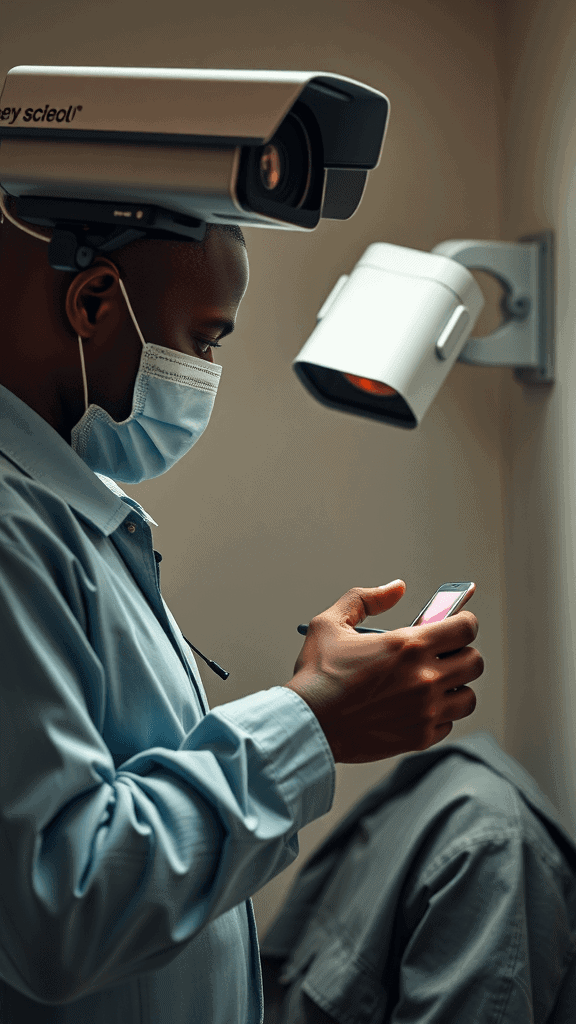
The Importance of CCTV Security in Kenya Beauty Schools for Cosmetology Training
In recent years, as the beauty industry in Kenya continues to expand, the need for robust security measures in beauty schools has become undeniable. One critical aspect of safeguarding these educational institutions is the effective use of CCTV security systems. This technology plays a vital role in protecting students, staff, and property while enhancing the overall learning environment.
Beauty schools in Kenya attract a diverse group of students, eager to learn cosmetology skills ranging from hairstyling to skincare. Ensuring their safety during training sessions is paramount. A well-implemented CCTV system serves multiple purposes in achieving this goal:
- Deterrence of Crime: The presence of cameras acts as a strong deterrent to potential wrongdoers. When students and staff know they are being monitored, they are less likely to engage in misconduct or theft.
- Monitoring Areas: CCTV helps in monitoring common areas such as entrances, classrooms, and break rooms. This visibility ensures that any unruly behavior is quickly identified and addressed.
- Protection of Equipment: Beauty schools invest significantly in equipment and products necessary for training. CCTV systems protect these assets by recording any suspicious activity around high-value items.
- Gathering Evidence: In case of any incidents, recorded footage serves as valuable evidence. This can help resolve disputes or identify offenders quickly.
- Improving Staff Accountability: With a surveillance system in place, staff members may act more responsibly, knowing that their actions are being recorded. This can lead to a better working environment for everyone.
As aspiring cosmetologists navigate their education in beauty schools, they deserve a secure space that fosters creativity and learning. Installing a comprehensive CCTV security system enhances this experience. It provides peace of mind that students can focus on honing their skills without unnecessary distractions.
Implementing CCTV systems involves careful consideration. Here are a few best practices to follow when setting up a security system in a beauty school:
- Strategic Camera Placement: Cameras should be installed at key locations, including entry and exit points, hallways, and common areas. This ensures maximum coverage and minimizes blind spots.
- High-Quality Cameras: Investing in high-resolution cameras is crucial. Clear footage not only aids in identifying individuals but also enhances the chances of resolving issues efficiently.
- Integration with Alarm Systems: When combined with alarm systems, CCTV proves more effective. This integration can alert staff to any unusual activity, ensuring prompt responses to potential threats.
- Regular Maintenance: Routine checks on the cameras and recording systems should be established to ensure they are functioning correctly. Regular maintenance can prevent downtimes and ensure continuous surveillance.
- Staff Training: Employees should be trained on how to monitor and review footage effectively. Familiarizing them with the system builds a culture of security and awareness.
Furthermore, the regulations surrounding privacy should not be overlooked. Transparency in how the CCTV system operates is crucial. Informing students and staff about the purpose and extent of surveillance fosters a culture of trust. Open communication about CCTV use can reduce apprehension among students and make them feel more secure.
In addition, beauty schools can use CCTV as a learning tool. By reviewing footage of training sessions, educators can identify areas students may struggle with and provide targeted feedback. This aspect of CCTV usage not only enhances security but aids in improving training outcomes as well.
As Kenya’s beauty industry flourishes, security remains a top priority for educational institutions. The implementation of CCTV security can significantly improve the safety of beauty schools, benefiting both educators and students. With technology advancing, now is the time for beauty schools in Kenya to invest in effective security measures, ensuring a safe environment for all who enter.
Through the strategic integration of CCTV security systems, beauty schools in Kenya can create a nurturing, safe environment for aspiring cosmetologists to thrive and grow in their craft.
Enhancing Student Safety: Best Practices for Security in Cosmetology Institutions
In the world of beauty and cosmetology, safety is paramount. Students in cosmetology institutions often handle various tools and products that require careful management to ensure their well-being. Implementing robust safety and security measures in these schools is essential for creating a secure learning environment where students can thrive. With the rise of security technologies, optimizing student safety can be effectively achieved.
One effective method for enhancing security in cosmetology institutions is the installation of CCTV systems. These surveillance cameras provide extensive coverage of classrooms, salons, and common areas. Here’s why using CCTV is a significant step towards better security:
- Deterrent Against Theft: The presence of CCTV cameras can deter potential theft or vandalism on campus. Students and staff are less likely to engage in misconduct when they know they are being monitored.
- Monitoring Activities: CCTV allows for real-time monitoring of activities in the school. This is crucial for ensuring that students are following safety protocols during practical work sessions.
- Evidence Collection: In the event of an incident or dispute, CCTV footage serves as an invaluable source of evidence. This can help resolve misunderstandings between staff and students.
Implementing a comprehensive security plan extends beyond just installing cameras. Institutions should also focus on the physical environment around their premises. Proper lighting is critical in ensuring safety. Well-lit areas reduce the chances of accidents and provide a sense of security for students and visitors. In addition to CCTV and lighting, instituting security personnel can further bolster student safety.
Another key aspect is conducting regular safety drills. These drills familiarize students and staff with emergency procedures. Whether it’s a fire drill or an evacuation procedure, practicing these scenarios can save lives. Institutions should ensure that every student knows the exits and protocols in case of an emergency.
Furthermore, bringing in guest speakers to discuss personal safety is beneficial. Experts can provide insights on topics ranging from workplace safety to dealing with potential harassment in the workplace. These discussions empower students with knowledge, allowing them to make informed decisions in their professional lives.
A well-rounded approach includes creating an effective reporting system for safety concerns. Students should feel confident in reporting any issues related to safety or harassment. This fosters an open environment where concerns can be addressed immediately rather than allowing problems to fester.
Effective security measures also involve routine risk assessments on campus. These assessments help identify vulnerabilities and establish protocols to address them. Analyzing the facility layout, accessibility of essential safety features, and potential risks can lead to significant improvements in student safety.
Educating students about the tools and products they will use during their training is essential. Providing thorough training on the handling of equipment and chemicals helps prevent accidents. Additionally, emphasizing hygiene and safety practices during courses ensures that students understand the importance of maintaining a safe working environment.
These practices will create a robust framework for safety within cosmetology institutions. An environment that prioritizes security not only supports learning but also promotes personal development. This is crucial in a field where building client trust is paramount.
As you engage in your cosmetology training, remember that safety is everyone’s responsibility. With the right systems in place and a proactive approach to security, both students and educators can ensure a secure and conducive environment that fosters creativity and excellence in the beauty industry.
The combination of modern technology, effective training, and a culture of awareness can profoundly enhance student safety in cosmetology institutions. By prioritizing these elements, schools can cultivate an atmosphere where students feel safe, supported, and able to focus on their passion for beauty and aesthetics.
Conclusion
Ensuring the safety of students in Kenya’s beauty schools is paramount in fostering a conducive learning environment. The integration of CCTV security systems stands as a vital component in safeguarding these institutions during cosmetology training. These systems not only deter criminal activity but also provide a sense of security that enables students to focus on their craft without fear or distractions.
Effective security measures extend beyond cameras; they include best practices tailored to the unique needs of beauty schools. Regular safety drills, clear emergency protocols, and staff training on security management can significantly enhance the overall safety plan. By actively involving the students in discussions about their safety, institutions can foster a culture of awareness and responsibility.
Moreover, beauty schools should prioritize the maintenance and upgrades of their surveillance systems to remain at the forefront of security technology. As threats evolve, so must the strategies to combat them. This continuous improvement not only reassures students and parents but also builds a reputable image for the institution, attracting more aspiring cosmetology students.
With the right blend of advanced technology and proactive security protocols, beauty schools in Kenya can create a safe and supportive environment for their students. Such dedication to safety not only enhances the learning experience but also prepares students for successful careers in the beauty industry, equipped with the knowledge that they trained in a secure environment. Ultimately, prioritizing security fosters a thriving educational journey, ensuring that every student feels valued and safe as they pursue their passion in cosmetology.