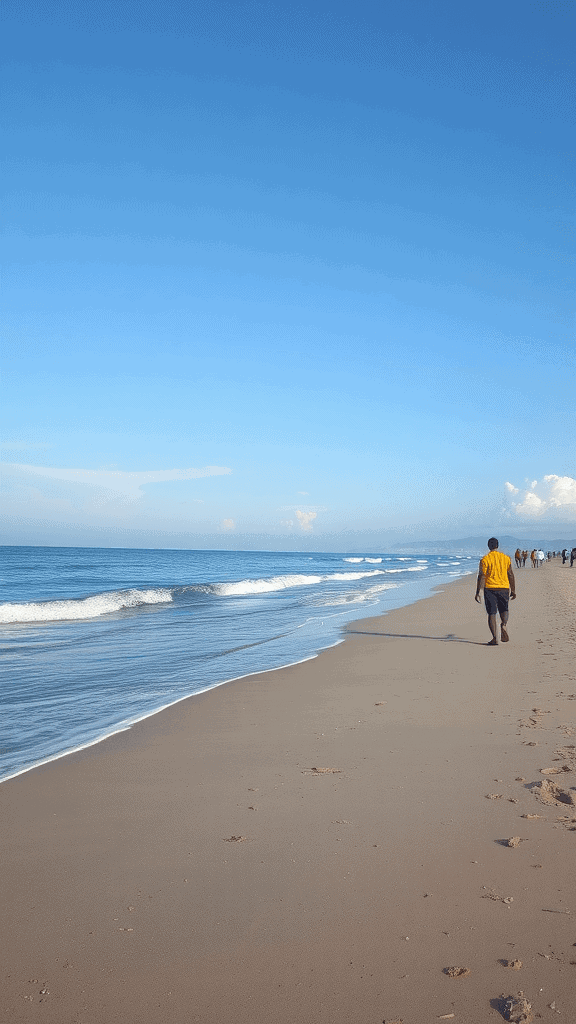
Enhancing Kenya Beach Security: Strategies for Protecting Coastal Recreation Areas
Kenya’s coastline is a treasure that attracts millions of visitors every year. The pristine beaches, vibrant marine life, and warm climate make it a top choice for coastal recreation. However, with this beauty comes the need for enhanced beach security to ensure all visitors have a safe experience. Implementing effective strategies for protecting these coastal recreation areas is essential for both locals and tourists alike.
To fortify beach security in Kenya, a comprehensive approach should be taken. This approach includes the collaboration of local authorities, beach management, and community members. By working together, they can develop an atmosphere of safety and trust on the beaches. Here are several strategies that can be employed:
- Increased Surveillance: Deploying surveillance cameras across popular beaches can serve as a strong deterrent against crime. These cameras not only help in identifying issues after they occur but can also prevent them from happening in the first place. Regular monitoring of these systems by security personnel can further enhance their effectiveness.
- Regular Patrols: Designated security personnel should conduct regular patrols along the beach areas. These personnel can provide an immediate response to any disturbances and help maintain a visible security presence. Ensuring that these patrols are varied in timing can also prevent would-be offenders from predicting their movements.
- Adequate Lighting: Proper lighting along beach pathways and recreational areas is crucial for safety during the night. Installing bright lights can deter illicit activities and help beachgoers feel more secure as they enjoy the coastline after sunset.
- Public Awareness Campaigns: Educating the public about beach safety is vital. Awareness campaigns can focus on teaching visitors about local laws, encouraging them to report suspicious behavior, and sharing tips for staying safe while enjoying recreational activities. These campaigns can utilize social media platforms, local radio stations, and community gatherings.
- Community Involvement: Engaging local communities in beach security initiatives fosters a sense of ownership and responsibility. Communities can form volunteer groups to assist in monitoring activities on the beaches. When locals feel empowered, they are more likely to take proactive steps toward maintaining a safe environment.
- Collaboration with Law Enforcement: Establishing partnerships with local law enforcement agencies ensures a quick response to incidents. Regular meetings between beach management and law enforcement can help keep everyone on the same page regarding safety protocols and emerging threats.
- Safe Zones for Water Activities: Designating specific areas for water activities such as swimming, snorkeling, and jet skiing can reduce accidents and conflicts among beachgoers. Informational signs can help guide visitors on where to safely enjoy the ocean while keeping them aware of potential hazards.
One of the significant challenges in beach security is tackling issues like theft and harassment. To address this, specific strategies can target these concerns effectively:
- Emergency Communication: Ensure that all beach areas are equipped with emergency communication systems, such as shout alarms or direct lines to security personnel. This makes it easy for anyone to alert authorities if they witness or experience suspicious activity.
- Visible Emergency Contacts: Posting emergency contact numbers prominently on signs throughout the beach helps visitors know who to call for help. These numbers should include local security offices, medical facilities, and police stations.
- Fast Response Teams: Having a dedicated rapid response team on call can help mitigate issues more effectively. These teams should be trained to handle various emergencies that might arise in coastal areas, ensuring a swift and organized response to incidents.
Ensuring the legal framework surrounding coastal recreation areas supports security measures is essential. This includes updating local laws and ordinances to address modern concerns and creating a responsive legal environment for beach security issues.
Enhancing security measures along Kenya’s beaches is a comprehensive effort that requires the collaboration of multiple stakeholders. By implementing these strategies, we can protect not only the beauty of our coastlines but also ensure that those who enjoy them can do so safely. With visible security measures and community engagement, visitors can relax and immerse themselves in the stunning surroundings while feeling secure.
The Role of Community Engagement in Coastal Safety and Conservation
Community engagement plays a vital role in ensuring coastal safety and conservation, particularly in areas where recreational activities abound. Coastal regions not only provide breathtaking landscapes but also serve as habitats for diverse wildlife and crucial ecosystems. However, these environments face various threats, including pollution, overdevelopment, and climate change. By fostering a sense of responsibility among locals and visitors, communities can better protect their coastal resources while enhancing safety for everyone.
The active participation of community members in coastal management is essential. Engaging the community can take many forms, from educational programs to active involvement in decision-making processes. Each method empowers people and allows them to contribute to the conservation of their local environment. Some effective strategies for achieving community engagement include:
- Education and Awareness: Workshops, school programs, and information campaigns can raise awareness about the importance of coastal ecosystems. Understanding the role of local flora and fauna encourages residents to protect these resources.
- Volunteer Opportunities: Organizing beach clean-ups, wildlife monitoring, and restoration projects allows community members to take hands-on action. Participation reinforces the message that each person’s efforts count.
- Involvement in Policy-Making: Local governments should encourage community feedback when drafting policies related to coastal management. This collaborative process promotes transparency and allows residents to feel their voices are heard.
- Integration of Local Knowledge: Many community members possess invaluable knowledge about coastal areas. their insights can enhance management strategies and conservation efforts.
- Partnerships with Organizations: Collaborating with environmental groups, non-profits, and educational institutions can strengthen community initiatives. These partnerships often provide additional resources and expertise.
Coastal safety is another crucial aspect of community engagement. Engaging locals in safety measures can reduce accidents and foster a culture of caution. This can be achieved through:
- Safety Workshops: Organizing workshops that educate residents and tourists about water safety, first-aid practices, and emergency responses can significantly reduce risks.
- Clear Signage and Information: Installing informative signs at beaches can provide crucial safety updates, such as swimming conditions and warning of hazardous areas.
- Community Watch Programs: Forming community patrols that monitor beach activities can enhance safety and deter undesirable behaviors, such as littering or unsafe actions.
- Emergency Preparedness Plans: Involving locals in creating and rehearsing emergency response plans prepares communities to handle natural disasters or accidents effectively.
The synergy between safety and conservation is clear; when communities are engaged, they take ownership of their local environment, which leads to more effective protection. Residents who participate in environmental activities are more likely to be mindful of safety measures. Furthermore, understanding ecosystem dynamics encourages responsible behavior, minimizing risks for themselves and the environment.
Community-based initiatives can be particularly effective during coastal tourism seasons when the influx of visitors amplifies the need for safety and conservation. By integrating tourists into these activities, communities can promote a culture of respect and awareness. Engaging visitors ensures they understand the importance of protecting the coastal environment and adhering to safety practices, making their experience enjoyable and safe.
Coastal areas thrive when community members actively engage in both safety and conservation efforts. Cultivating a sense of responsibility fosters pride and stewardship among residents. This collective ownership ensures coastal areas remain vibrant and safe for generations to come. By valuing both community cooperation and environmental health, we help to secure the beauty and resilience of coastal ecosystems and create lasting positive changes.
As you explore coastal recreation areas, consider how you can contribute to safety and conservation. Whether it’s picking up litter, participating in local events, or simply respecting the environment, every little effort counts. Together, you and your community can foster a safe and flourishing coastal habitat.
Conclusion
As we reflect on the importance of Kenya Beach Security, it becomes clear that protecting our coastal recreation areas is not just a job for law enforcement; it requires the active participation of the entire community. Strategies for enhancing security should encompass a multifaceted approach, involving both innovative technology and traditional methods. Surveillance systems, regular patrols, and clear signage can act as deterrents against crime while promoting safe enjoyment of these beautiful beaches.
However, these measures alone are not enough. Community engagement plays a vital role in fostering a culture of coastal safety and conservation. By involving locals, we can ensure they become the stewards of their environment. Educational programs can empower beachgoers with knowledge about marine conservation and safety practices. Community watch programs can provide residents and visitors with a sense of belonging and responsibility toward protecting their coastal treasures.
Furthermore, bolstering partnerships between local authorities, businesses, and NGOs can lead to comprehensive policies that address both security and environmental sustainability. When everyone collaborates, the synergy created can lead to significant improvements in beach safety, providing a secure and enjoyable experience for all visitors.
Understanding that every person has a role in coastal protection is key to preserving the beauty and safety of our beaches. By taking collective action today, we can ensure that future generations will continue to enjoy the splendor of Kenya’s coastlines, all while fostering a secure and vibrant community atmosphere. Together, let’s make a commitment to advancing Kenya Beach Security and creating a safer, more resilient environment for our coastal recreation areas.